
Human chorionic gonadotropin, or HCG, is a tool many men use alongside testosterone replacement therapy to preserve fertility and testicular size. For men noticing low libido, erectile dysfunction, fatigue, or muscle loss, HCG can be an important part of a well-designed plan.
This article explains what HCG does, typical protocols, lab testing, risks, and practical steps you can take before and during therapy. The goal is to give you clear, actionable guidance so you can discuss HCG with your clinician with confidence.
What is HCG and how it works in TRT
HCG mimics luteinizing hormone – LH – which tells the testes to make testosterone and sperm. When exogenous testosterone suppresses the hypothalamic-pituitary-gonadal axis, LH drops and the testes shrink and sperm production declines. HCG restores that signal in many cases.
Key effects include stimulating intratesticular testosterone production, reducing testicular atrophy, and preserving spermatogenesis when used appropriately. It does not replace systemic testosterone replacement but complements it.
Common HCG protocols and examples
There are multiple ways clinicians use HCG. Protocol choice depends on goals – fertility preservation versus maintaining testicular volume – and individual response.
- Low-dose maintenance: 250 IU subcutaneous two to three times per week to prevent atrophy during standard TRT.
- Higher-dose fertility-focused: 500 to 1,500 IU three times per week for several months when restoring spermatogenesis; often combined with human menopausal gonadotropin – hMG – in refractory cases.
- HCG monotherapy: used by some men who want to raise testosterone without using testosterone injections; results vary and monitoring is essential.
Example scenario: a 38-year-old man starting testosterone cypionate 100 mg per week may add HCG 250 IU subcutaneous on injection days to reduce testicular shrinkage. His clinician will monitor labs at baseline and at 6-12 weeks.
Who should consider HCG?
HCG is appropriate for men who want to preserve fertility or avoid testicular atrophy while on TRT. Consider HCG if you plan to conceive in the next 1-5 years, if you notice shrinking testes, or if you want to maintain intratesticular testosterone for long-term reproductive health.
Men with active prostate cancer or untreated breast cancer should not use HCG without oncology input. Always discuss personal risks with your provider.
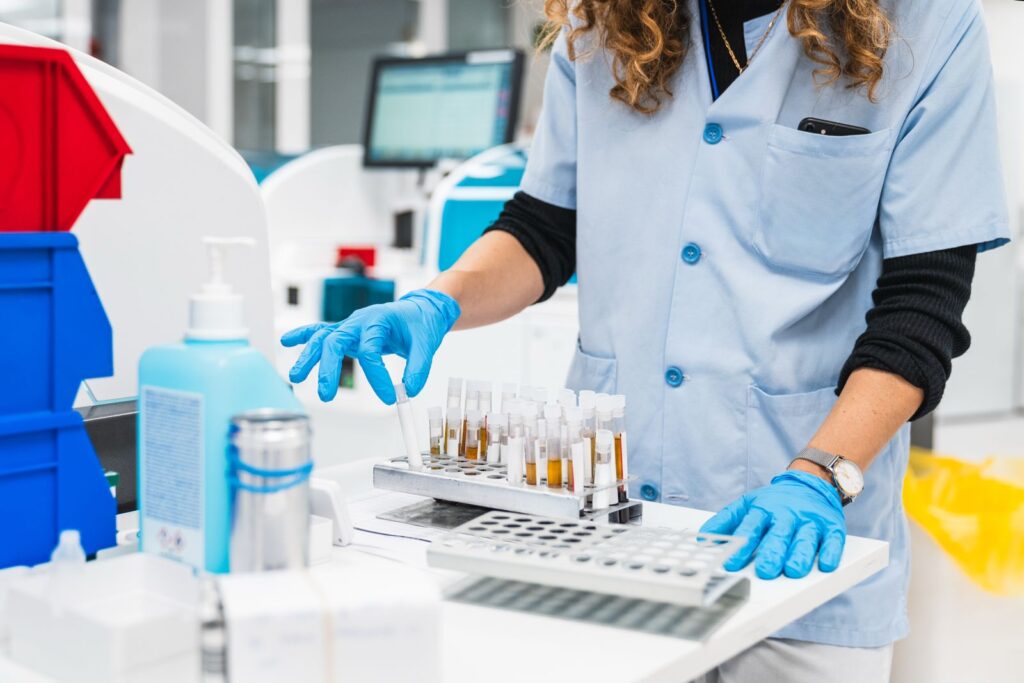
Baseline and monitoring labs
Before starting HCG and TRT, get a thorough baseline. That allows safe adjustments and identifies contraindications.
- Baseline labs: total testosterone (morning), free testosterone, LH, FSH, estradiol, CBC, comprehensive metabolic panel, PSA if over 40 or with risk factors, and a semen analysis if fertility is a goal.
- Initial monitoring: repeat testosterone, estradiol, LH/FSH at 4-8 weeks after changes; semen analysis after 3-6 months when treating for fertility.
- Ongoing monitoring: every 3-6 months first year, then every 6-12 months once stable.
Document symptoms using a symptom checklist: libido, morning erections, energy, sleep, mood, and muscle changes. Objective labs plus symptom tracking give the best picture.
Injection and storage basics
HCG generally comes as powder that must be reconstituted with bacteriostatic water. Most men inject subcutaneously into the abdomen using insulin syringes. Keep vials refrigerated for stability and discard if stored improperly.
Practical tips: rotate injection sites, use clean technique, and talk to your clinician about how to mix and draw doses. If you prefer not to inject, some clinics offer in-office administration or partner with home nursing services in California and other states.
Side effects and safety considerations
HCG is generally well tolerated, but side effects occur. Expect possible acne, mood changes, water retention, and elevated estradiol in some men. Because HCG increases testosterone production in the testes, aromatization to estrogen can rise.
Manage estrogen by monitoring labs and using dose adjustments, or by considering selective estrogen modulators – SERMs – if clinically indicated. Avoid self-medicating with aromatase inhibitors without specialist oversight because over suppression of estrogen can harm bone and lipid health.
HCG versus alternatives for fertility
If fertility is the only goal, clinicians may use HCG plus FSH or hMG to directly stimulate spermatogenesis. In men with primary testicular failure, such approaches may not restore fertility and assisted reproductive technologies become necessary.
Discuss sperm banking before TRT initiation when future paternity is uncertain. Banking provides insurance while you pursue medical options.
Integrating lifestyle and natural support
HCG is not a substitute for healthy habits. Lifestyle interventions improve testosterone production and overall outcomes with or without HCG.
- Weight management: losing 10-15 pounds can raise testosterone and improve sexual function.
- Resistance training: at least three sessions per week focusing on compound lifts.
- Sleep: aim for 7-8 hours nightly; poor sleep lowers testosterone and increases estradiol.
- Nutrition: adequate protein, zinc, and vitamin D support endocrine health; test levels and supplement under clinician guidance.
How to prepare for your clinic visit in California
California has many TRT clinics and urology practices that offer HCG. Prepare a concise medical summary to bring to your appointment.
- List symptoms and timeline: libido changes, erectile difficulties, fatigue, weight changes, mood shifts.
- Bring prior lab results, medications, and supplements, especially testosterone or anabolic use history.
- Ask about the clinic’s HCG protocols, monitoring schedule, injection training, and cost structure – HCG can be billed or self-pay depending on the practice.
If you want clinic recommendations, search for board-certified endocrinologists, urologists, or reproductive specialists with TRT experience. Telemedicine options also allow follow up and lab ordering across many California regions.
Real patient example
Case: A 42-year-old man with fatigue, low libido, and morning testosterone of 240 ng/dL started TRT with testosterone enanthate 75 mg twice weekly. He added HCG 250 IU twice weekly because he wanted children in the future. At 12 weeks his total testosterone rose to 640 ng/dL, testicular volume remained stable, and a semen analysis at 4 months showed preserved sperm concentration. He and his clinician adjusted estradiol management rather than stopping HCG.
This example shows measured adjustments and monitoring can preserve fertility goals while improving symptoms.
Cost and access considerations
HCG pricing varies by brand and dosing. Some clinics compound HCG for cost savings. Insurance coverage depends on indication; fertility-related use may have different coverage than TRT-related use.
Ask your clinic for a clear cost breakdown, sample vial sizes, and refills. Many California clinics provide transparent pricing and lab bundles to simplify monitoring.
When to consult a specialist
Refer to a reproductive endocrinologist or urologist if you have infertility, abnormal baseline LH/FSH suggesting primary testicular failure, or complex medical history such as cardiovascular disease or prostate cancer risk.
Primary care or TRT clinics can manage uncomplicated HCG use, but specialist care ensures advanced fertility strategies and personalized protocols.
Frequently Asked Questions
Will HCG keep my sperm production while on testosterone?
HCG can preserve or restore sperm production in many men by mimicking LH and stimulating the testes. Success depends on baseline testicular function and dosing; clinicians often combine HCG with FSH for stronger fertility outcomes.
How often should I get labs after starting HCG and TRT?
Initial labs are usually repeated at 4-8 weeks after starting or changing doses, then every 3-6 months during the first year. Semen analysis for fertility goals is typically repeated at 3-6 months.
Does HCG cause prostate problems?
HCG itself does not directly cause prostate cancer, but raising testosterone can increase PSA in some men. Providers monitor PSA and perform risk assessments before and during therapy, especially for men over 40.
Can I buy HCG online and self-administer safely?
While HCG is available online, self-medicating without medical supervision is risky due to dosing, injection technique, and lab monitoring needs. Work with a clinician to ensure safety and effectiveness.
How long does it take to see benefits from HCG?
Testicular size preservation may be noticeable within 4-8 weeks, while semen improvements and fertility outcomes can take 3-6 months. Symptom relief for fatigue or libido more often ties to systemic testosterone levels rather than HCG alone.
What are common side effects to watch for?
Watch for acne, mood swings, water retention, and higher estradiol. If you experience significant breast tenderness or mood changes, contact your clinician for dose adjustments or lab checks.
Conclusion
HCG is a valuable adjunct in TRT for men focused on fertility or preventing testicular atrophy. With clear goals, proper baseline testing, and regular monitoring, many men maintain reproductive potential while improving symptoms like low libido and fatigue.
Before starting HCG, prepare lab results, document symptoms, and discuss realistic goals with a qualified clinician. In California and beyond, choose a provider who offers transparent protocols, reliable follow up, and patient education so you can proceed safely and effectively.
Disclaimer
This blog is for informational and educational purposes only and does not constitute medical advice, diagnosis, or treatment. The content provided is based on general health information and research available as of the publication date. Individual health conditions vary, and what works for one person may not be appropriate for another.
Always consult with a qualified healthcare provider before starting any new treatment, including testosterone replacement therapy (TRT), making changes to existing treatments, or if you have questions about your specific health condition. Never disregard professional medical advice or delay seeking it because of information you read on this blog.
If you are experiencing a medical emergency, call 911 or your local emergency services immediately. The information on this website does not create a doctor-patient relationship and should not be used as a substitute for professional medical advice, diagnosis, or treatment.