
If you are in your 40s and noticing lower energy, reduced libido, weight gain, or less muscle, you may be experiencing age-related testosterone decline. These symptoms are common, but they do not have to become permanent; a clear diagnostic and treatment plan can restore quality of life.
This guide explains how to recognize low testosterone, what tests to order, evidence-based TRT protocols including HCG use, and practical lifestyle steps you can start today. Specific lab timing, example dosing schedules, and safety checkpoints are included so you can discuss options confidently with your clinician.
Recognizing low testosterone in your 40s
Symptoms of low testosterone often overlap with stress and other medical conditions. Look for a pattern of reduced libido, erectile dysfunction, persistent fatigue, unexplained weight gain around the midsection, loss of muscle mass, and mood changes like irritability or low motivation.
Not every man with one symptom needs treatment. Use a symptom checklist and rate severity over several weeks. If two or more symptoms are moderate to severe, proceed to diagnostic testing rather than guessing.
Getting diagnosed: labs and preparation
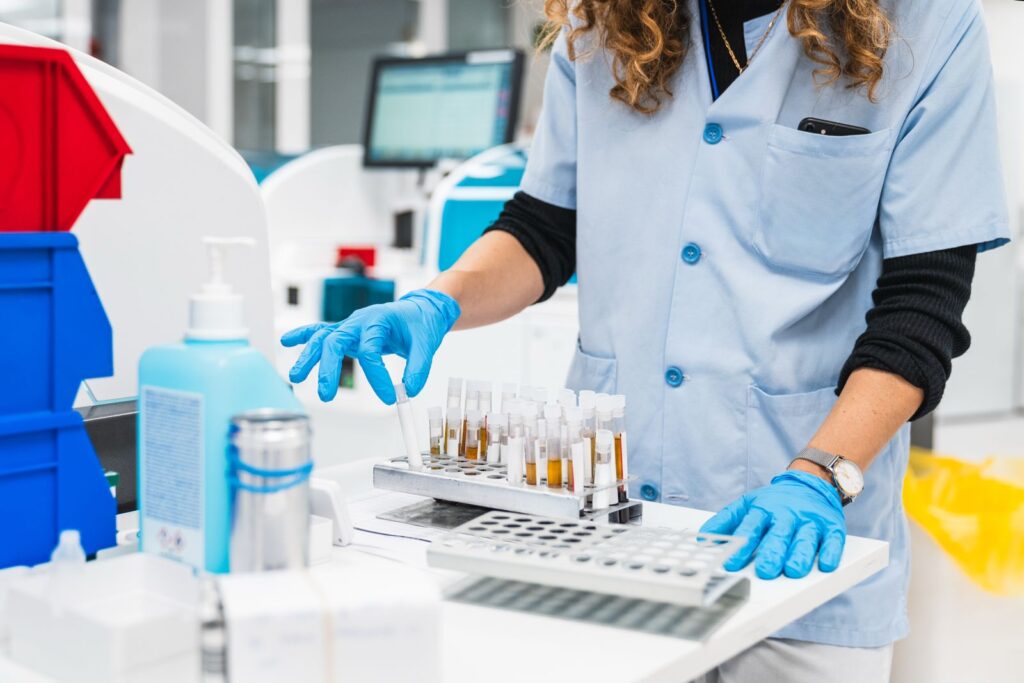
Accurate testing starts with the right labs and timing. Testosterone has a diurnal pattern; measure levels in the morning between 7:00 and 10:00 AM for the most reliable result.
Essential baseline labs include:
- Total testosterone – morning sample; normal adult range often given as 300 to 1000 ng/dL.
- Free testosterone or calculated free-T – useful if SHBG is abnormal.
- Sex hormone binding globulin (SHBG), luteinizing hormone (LH), and follicle stimulating hormone (FSH) – to distinguish primary from secondary hypogonadism.
- Prolactin, estradiol, fasting glucose, lipid panel, CMP, CBC, and PSA – to screen for contributing conditions and safety risks.
Repeat a low total testosterone test on a separate morning before starting therapy. Also avoid heavy exercise and alcohol the night before testing to reduce variability.
Treatment options and practical TRT protocols
Treatment choice depends on goals, fertility plans, and comorbidities. Common options are injections, topical gels, pellets, and oral alternatives. Below are practical protocols used in clinical practice.
Injectable testosterone
Injectables provide predictable dosing and are cost-effective. A typical starting regimen is 50 mg twice weekly or 100 mg once weekly of testosterone cypionate or enanthate. Some clinics use 75-100 mg twice weekly for men with more severe deficiency.
Avoid long interval dosing like 200 mg every two weeks if you are sensitive to symptom swings. Check trough levels just before the next injection to guide dose adjustment.
Topical and other formulations
Gels deliver daily steady absorption but require careful skin-contact precautions with partners or children. Pellets are implanted every 3-6 months and offer convenience but less dose flexibility. Choose a route based on lifestyle and monitoring preferences.
HCG therapy for fertility preservation
Standard TRT suppresses testicular function and sperm production. If you want to preserve fertility or maintain testicular size, add human chorionic gonadotropin (HCG). A common HCG dose is 250 IU every other day or 500 IU two to three times weekly. HCG stimulates intratesticular testosterone and can maintain spermatogenesis in many men.
For men who want to avoid injections, clomiphene citrate is another option that can raise endogenous testosterone while preserving fertility; however, it requires careful endocrine follow up.
Monitoring, safety, and when to adjust
Monitoring keeps therapy safe and effective. Recommended schedule: baseline, then at 3 months after starting or changing dose, at 6 months, and annually once stable. More frequent checks may be needed for hematocrit or symptoms.
Key safety labs and thresholds:
- Hematocrit: monitor for polycythemia. If hematocrit rises above 54 percent, reduce dose or hold therapy and evaluate for causes.
- PSA: check baseline and monitor for significant rises; refer to urology for rapid increases or PSA above age-adjusted norms.
- Liver function and lipids: review annually or as indicated.
Adjust dose based on symptoms and trough total testosterone. If you experience persistent acne, fluid retention, or mood swings, consider lowering dose or switching delivery methods. Communicate any chest pain, severe leg pain, or shortness of breath immediately to your clinician.
Natural strategies that support testosterone
Whether you choose TRT or not, lifestyle changes can raise natural testosterone and improve treatment response.
- Resistance training: perform compound lifts 2 to 4 times weekly; aim for progressive overload and adequate protein intake.
- Sleep: prioritize 7 to 9 hours nightly; poor sleep lowers testosterone acutely.
- Body composition: a 5 to 10 percent loss in body fat often improves testosterone for overweight men.
- Nutrition and supplements: correct vitamin D deficiency, maintain adequate zinc intake, and avoid excessive alcohol; use supplements only when lab-proven deficiency exists.
- Stress management: chronic high cortisol is associated with lower testosterone, so daily stress reduction matters.
These measures are not a replacement for medically indicated TRT when levels are clinically low, but they improve outcomes and overall health.
Fertility planning and reversal strategies
If fathering children is a near-term goal, do not start standard TRT without discussing fertility alternatives. Options include HCG with or without low-dose testosterone, clomiphene citrate, or using assisted reproductive technologies.
Sperm analysis before treatment and every 3 months during fertility-directed therapy helps track progress. If spermatogenesis declines on TRT, stopping exogenous testosterone and using HCG plus clomiphene often restores sperm over several months, but timelines vary.
Realistic expectations and patient examples
Expect progressive improvements rather than instant cures. Many men report increases in libido and energy within 2 to 6 weeks. Erectile function and nighttime erections may improve over 6 to 12 weeks. Muscle gain and fat loss typically occur over 3 to 6 months when combined with resistance training and a high-protein diet.
Case example: a 45-year-old man with fatigue and low libido started 50 mg twice-weekly injections plus 250 IU HCG three times weekly. By 8 weeks energy and libido improved; at 6 months he gained 6 pounds of lean mass and hematocrit remained stable at 48 percent after a 10 percent dose adjustment.
Practical steps to get started in California or elsewhere
Find a clinician experienced in male reproductive endocrinology or urology. If you live in California, choose clinics that provide in-person exams and coordinated lab services. Telemedicine can work for follow-up but insist on baseline in-person evaluation if you have complex medical history.
Bring a symptom diary, medication list, and recent labs to your first visit. Ask for a clear monitoring plan, written dosing schedule, and instructions for HCG if relevant. Prioritize providers who explain risks and alternatives rather than offering instant prescriptions.
Frequently Asked Questions
How is low testosterone diagnosed?
Diagnosis requires at least two morning total testosterone tests on separate days plus assessment of symptoms. Providers often add free testosterone, SHBG, LH, and prolactin to identify the underlying cause.
Can TRT cause infertility?
Yes. Standard TRT suppresses sperm production by reducing intratesticular testosterone. If you want children, discuss HCG or clomiphene alternatives before starting treatment.
What side effects should I expect on TRT?
Common side effects include acne, fluid retention, mood swings, and increased hematocrit. Serious problems are uncommon with proper monitoring, but you should report chest pain, leg swelling, or breathing difficulty immediately.
How often should labs be checked on TRT?
Typically check labs at baseline, at 3 months after starting or dose change, at 6 months, and annually once stable. Monitor hematocrit, testosterone level, PSA, and metabolic markers.
Can I boost testosterone without medication?
Yes. Weight loss, resistance training, adequate sleep, correcting vitamin D deficiency, and reducing alcohol can raise testosterone. These strategies work best combined with medical therapy when needed.
Is TRT safe for men with heart disease?
Evidence is mixed and individualized. Work closely with your cardiologist and endocrinologist; optimize blood pressure, lipids, and hematocrit before and during therapy to reduce potential risk.
Conclusion
Managing low testosterone in your 40s requires accurate diagnosis, a personalized treatment plan, and careful monitoring. Whether you pick injections, gels, HCG, or lifestyle-first approaches, set clear goals with your clinician and track labs and symptoms. With the right plan you can expect meaningful improvements in energy, sexual function, and muscle health while protecting fertility and safety.
Disclaimer
This blog is for informational and educational purposes only and does not constitute medical advice, diagnosis, or treatment. The content provided is based on general health information and research available as of the publication date. Individual health conditions vary, and what works for one person may not be appropriate for another.
Always consult with a qualified healthcare provider before starting any new treatment, including testosterone replacement therapy (TRT), making changes to existing treatments, or if you have questions about your specific health condition. Never disregard professional medical advice or delay seeking it because of information you read on this blog.
If you are experiencing a medical emergency, call 911 or your local emergency services immediately. The information on this website does not create a doctor-patient relationship and should not be used as a substitute for professional medical advice, diagnosis, or treatment.