

Low testosterone affects men across California and can cause fatigue, low libido, erectile dysfunction, weight gain, muscle loss, and mood changes. Understanding the diagnostic steps, treatment options, and monitoring protocols helps men make informed choices and get safe, effective care.
This guide walks you through symptom recognition, lab testing, common TRT protocols, HCG use for fertility preservation, natural boosting strategies, and what to expect from a clinical pathway in California. It includes practical examples and actionable steps you can take before and during treatment.
Recognizing Low-T: Symptoms and Self-Assessment
Begin with a focused symptom checklist. Pay attention to persistent low energy, reduced morning erections, decreased libido, unexplained fat gain, difficulty building muscle, and mood shifts such as irritability or reduced motivation.
Use a simple scoring approach: track symptoms over 6-12 weeks and pair them with objective measures like weight, body composition, and activity level. If you have several moderate to severe symptoms, schedule a clinical evaluation and baseline labs.
Key Laboratory Evaluation
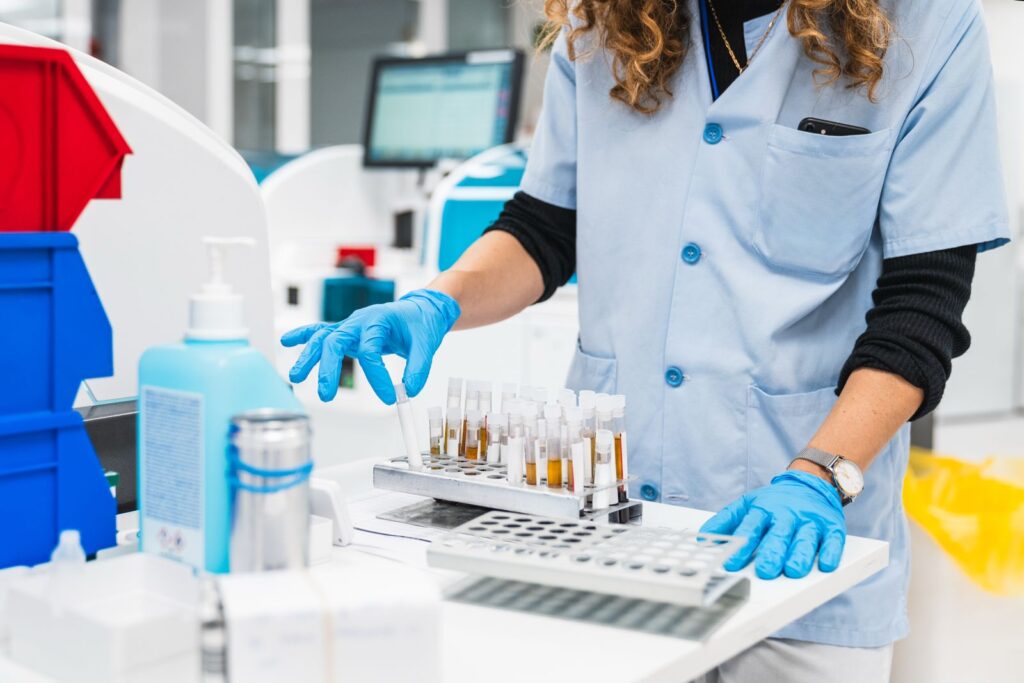
Accurate diagnosis depends on timing and the right panel. Labs should be drawn in the morning – ideally between 7:00 and 10:00 AM – when testosterone is highest.
- Total testosterone (two morning samples on separate days if borderline)
- Free testosterone or calculated free testosterone when SHBG is abnormal
- Sex hormone binding globulin (SHBG)
- Luteinizing hormone (LH) and follicle-stimulating hormone (FSH) to distinguish primary from secondary hypogonadism
- Prolactin and estradiol when clinically indicated
- CBC, CMP, fasting lipids, PSA for safety baseline and monitoring
Interpret values in context: many clinics use a total testosterone threshold of under 300 ng/dL with consistent symptoms to consider therapy, but treatment should be individualized.
Common TRT Protocols Explained
Treatment choice depends on goals, fertility concerns, convenience, and tolerance. Below are standard options with example regimens and monitoring tips.
Intramuscular Injections
Testosterone cypionate or enanthate is commonly used. Typical starting doses are 50-100 mg every 3-4 days or 100-200 mg every 7-14 days.
Example: start 100 mg IM every 7 days, then recheck a trough level just before the next injection after 3-6 weeks. Adjust dose to achieve mid-range physiologic levels and symptom improvement.
Transdermal Gels and Creams
Gels provide steady daily absorption. Common starting doses are 25-50 mg applied once daily to clean, dry skin. Monitor testosterone 2-4 weeks after initiation to assess response.
Subcutaneous Injections
Smaller, more frequent subcutaneous injections are gaining popularity for stable levels. Protocols often mirror IM total weekly dose divided into 2-3 injections per week.
Pellets
Pearl implants are inserted every 3-6 months and offer convenience but less dose flexibility. Discuss risks of insertion and removal with your clinician.
HCG Therapy and Fertility Considerations
Testosterone therapy can suppress spermatogenesis by reducing intratesticular testosterone. If fertility or testicular size matters, consider concurrent human chorionic gonadotropin (HCG) or alternative treatments.
Typical HCG dosing is 250-500 IU subcutaneously 2-3 times per week. HCG stimulates Leydig cells and helps preserve testicular function and sperm production. For men actively trying to conceive, clomiphene citrate or FSH-supplement strategies may be used under specialist supervision.
Monitoring and Safety Protocols
Monitoring prevents complications and optimizes outcomes. A common schedule is baseline, 3-6 weeks after starting, then every 3 months for the first year, and every 6-12 months thereafter.
- Hematocrit/CBC to detect polycythemia – hold or reduce dose if hematocrit exceeds 54 percent
- PSA and digital rectal exam when indicated; baseline PSA is essential for men over 40 or with risk factors
- Liver enzymes and metabolic panel for overall health
- Testosterone and estradiol to titrate dose and address symptoms
Contraindications and cautions include untreated prostate or breast cancer and uncontrolled severe heart disease. Discuss cardiovascular and thrombotic risks with your clinician.
Natural Strategies to Boost Testosterone
Combine clinical therapy with lifestyle changes to maximize benefits. Natural improvements are most effective for mild declines or as adjuncts to TRT.
- Weight loss – losing 5-10 percent body weight can raise testosterone in overweight men
- Resistance training – regular strength training supports muscle and hormone levels
- Sleep – aim for 7-9 hours per night; poor sleep lowers testosterone
- Nutrition – ensure adequate protein, healthy fats, vitamin D, and zinc
- Stress management – reduce chronic cortisol with mindfulness or therapy
How California Patients Access Care
California offers many licensed TRT providers including endocrinologists, urologists, and primary care physicians with TRT experience. Telemedicine clinics also operate statewide and can arrange local lab orders at common lab partners.
When choosing a clinic, verify state licensure, ask about individualized dosing, confirm a clear monitoring plan, and ensure in-person follow-up is available if needed. Expect an initial consultation, baseline labs, informed consent, and a documented treatment plan.
Patient Journey: What to Expect
Step 1 – Intake and symptom scoring. Bring prior labs and a medication list. Step 2 – Baseline labs and physical exam. Step 3 – Shared decision on protocol and fertility planning. Step 4 – Trial of therapy for 3-6 months with symptom tracking. Step 5 – Dose adjustments and routine monitoring.
Keep a symptom diary with energy, libido, erections, mood, and gym performance to show objective improvement or guide dose changes.
Real-World Examples
Example A: A 45-year-old man with total T of 260 ng/dL, low libido, and fatigue. Start 100 mg IM every 7 days, recheck trough at 4 weeks, adjust to 80-120 mg weekly to achieve symptomatic relief and mid-normal lab values.
Example B: A 30-year-old who wants future kids and has total T of 280 ng/dL. Consider clomiphene 25-50 mg daily or TRT plus HCG 250 IU 3x per week to preserve fertility, with referral to reproductive urology if conception is urgent.
Cost, Insurance, and Logistics
Insurance coverage varies. Some plans cover diagnostic labs and TRT when medical necessity is documented. Out-of-pocket costs include medication, lab panels, and clinic visits. Telemedicine can reduce travel but confirm lab access and local regulations first.
Frequently Asked Questions
How is low testosterone diagnosed?
Low testosterone is diagnosed by consistent symptoms plus repeated morning testosterone measurements. Clinicians use total and sometimes free testosterone tests, along with LH, FSH, and SHBG to determine the cause.
Will TRT affect my fertility?
Yes, standard testosterone therapy can suppress sperm production by lowering intratesticular testosterone. Using HCG or alternative medications like clomiphene can help preserve or restore fertility when needed.
What labs should I monitor while on TRT?
Key labs include testosterone, hematocrit/CBC, PSA, estradiol when symptomatic, and metabolic panels. Monitor at 3-6 weeks after starting, then every 3 months initially, and less frequently once stable.
Can lifestyle changes raise testosterone without medication?
Yes, weight loss, resistance training, better sleep, and correcting vitamin D deficiency can raise testosterone, especially for men with mild declines. These strategies are best combined with medical treatment when levels are clinically low.
How long before I feel benefits from TRT?
Some men notice improved energy and libido within 2-6 weeks, while muscle and body composition changes often take 3-6 months. Individual response varies and dose adjustments may be required.
Is TRT safe for older men with health problems?
TRT can be safe if managed properly, but men with significant cardiovascular disease, prostate cancer risk, or uncontrolled polycythemia need a careful risk-benefit discussion. Ongoing monitoring by a knowledgeable provider is essential.
Conclusion
Starting TRT in California involves careful symptom assessment, targeted morning labs, a personalized treatment plan, and a structured monitoring schedule. Discuss fertility goals up front and consider HCG or alternative options if preserving sperm is important.
Work with a licensed provider who explains protocols, documents informed consent, and provides clear follow-up. With the right approach, many men regain energy, improve sexual health, and recover muscle and mood function.
Disclaimer
This blog is for informational and educational purposes only and does not constitute medical advice, diagnosis, or treatment. The content provided is based on general health information and research available as of the publication date. Individual health conditions vary, and what works for one person may not be appropriate for another.
Always consult with a qualified healthcare provider before starting any new treatment, including testosterone replacement therapy (TRT), making changes to existing treatments, or if you have questions about your specific health condition. Never disregard professional medical advice or delay seeking it because of information you read on this blog.
If you are experiencing a medical emergency, call 911 or your local emergency services immediately. The information on this website does not create a doctor-patient relationship and should not be used as a substitute for professional medical advice, diagnosis, or treatment.