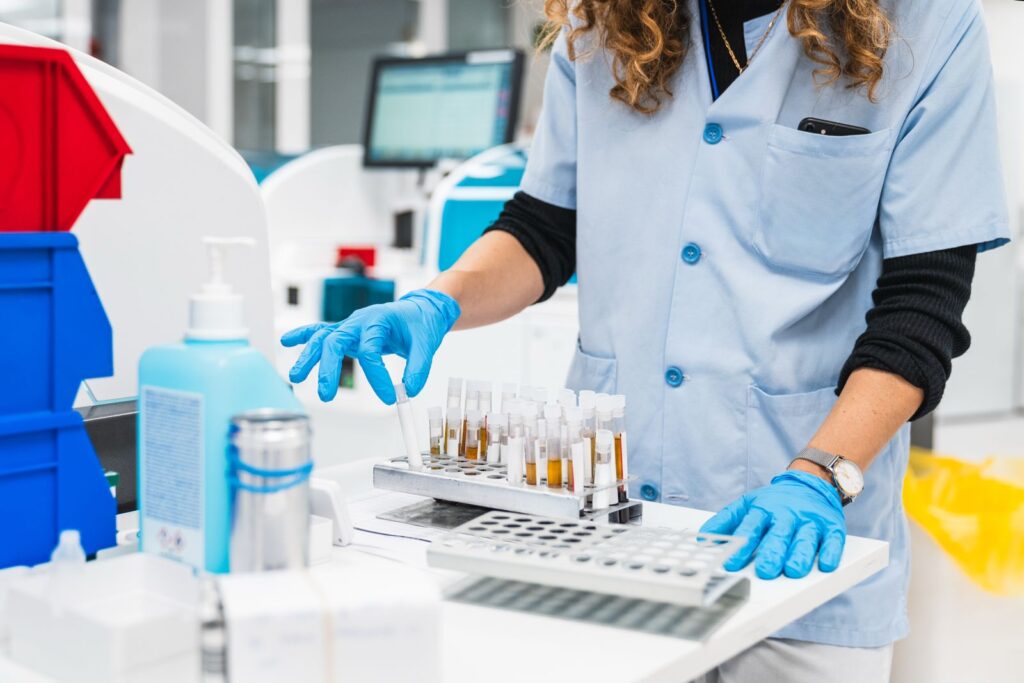


Low testosterone affects millions of men and can cause low libido, erectile dysfunction, fatigue, weight gain, muscle loss, and mood changes. If you live in California and are considering testosterone replacement therapy, you need a clear, evidence-based plan that covers diagnosis, treatment options, monitoring, and safety.
This guide walks you step-by-step through the patient journey. You will learn which labs to order, common TRT protocols, how HCG fits into therapy, natural methods to raise testosterone, and what to expect at California clinics or via telemedicine.
Recognize the Symptoms and Do a Self-Check
Start with a focused self-assessment. Keep a symptom log for 2-4 weeks listing libido, erections, energy, sleep, body composition, and mood. Bring this log to your provider; it makes the diagnostic process more efficient.
Simple checklist to bring to an appointment
- Duration of symptoms and impact on daily life
- Medications and supplements list
- Family history of prostate or breast cancer
- Previous fertility concerns or fathering plans
- Recent lab results, if any
Diagnostic Testing: What Labs to Order
Accurate diagnosis is the foundation of safe TRT. Order labs in the morning between 7:00 and 10:00 AM when testosterone peaks. Repeat low total testosterone on a separate day to confirm the diagnosis.
Essential baseline labs
- Total testosterone (nmol/L or ng/dL) – two morning draws to confirm low levels
- Free testosterone or calculated free testosterone
- LH and FSH to distinguish primary from secondary hypogonadism
- Prostate-specific antigen (PSA) for prostate cancer screening
- Complete blood count (CBC) to check hematocrit and hemoglobin
- Estradiol to monitor conversion during therapy
- Basic metabolic panel, liver function, and lipid panel
TRT Protocols: Common Options and Dose Ranges
Your provider will select a protocol based on goals, labs, and fertility desires. Below are common, practical regimens used in clinical practice.
Injection protocols
- Testosterone cypionate or enanthate: 50-200 mg weekly, or 100-200 mg every 7-14 days. Splitting dose to 2x per week reduces peaks and valleys.
- Testosterone undecanoate: long-acting option with clinic injections every 10-14 weeks after loading doses.
Topical and nasal options
- Topical gels: daily dosing with careful skin contact precautions.
- Nasal formulations: multiple daily applications, useful for men who prefer non-injectable therapy.
HCG therapy and fertility preservation
HCG mimics LH and stimulates testicular testosterone production. Typical doses are 250-500 IU two to three times per week. HCG is essential when fertility matters because standard TRT can suppress sperm production.
Monitoring: What to Check and When
Monitoring keeps therapy safe and effective. Expect a structured schedule with objective targets and actionable thresholds.
Recommended monitoring timeline
- Baseline labs before starting therapy.
- 4-6 weeks after initiation or dose change to check testosterone, hematocrit, and estradiol.
- 3 months after stabilization, then every 3-6 months for the first year.
- Annual prostate exam and PSA for men over 40, or earlier based on risk.
Key safety thresholds
- Hematocrit above 52% often triggers dose reduction or therapeutic phlebotomy.
- Elevated PSA requires urology referral and appropriate workup.
- Estradiol control if symptoms of high estrogen appear, such as gynecomastia or water retention.
Safety, Contraindications, and Side Effects
TRT improves quality of life for many men, but it is not without risks. Providers screen for contraindications before starting therapy.
Major contraindications
- Known or suspected prostate cancer
- Uncontrolled severe sleep apnea
- Uncontrolled heart failure or recent cardiovascular events in some cases
- Unexplained high hematocrit
Common side effects and management
- Acne and oily skin: adjust dose or change formulation
- Increased hematocrit: reduce dose, space injections, or consider phlebotomy
- Infertility risk: use HCG or sperm banking prior to TRT
- Mood shifts: monitor closely and consider behavioral health referral
Natural Strategies to Improve Testosterone
Alongside medical therapy, evidence-based lifestyle changes boost testosterone and improve outcomes.
- Resistance training: heavy compound lifts 3-4 times per week raise testosterone and muscle mass.
- Optimize sleep: aim for 7-9 hours nightly and consistent sleep-wake times.
- Weight loss: losing 5-10% body weight can raise testosterone in men with obesity.
- Vitamin D and zinc: correct deficiencies with supplements as needed based on labs.
- Limit excessive alcohol and reduce chronic opioid use when possible.
Finding a Provider in California
California offers many TRT clinics and telemedicine options. Prioritize board-certified endocrinologists, urologists, or experienced primary care doctors with TRT specialization.
Practical tips for choosing a clinic
- Verify licensure and read patient reviews specific to TRT outcomes.
- Ask about lab partnerships like LabCorp or Quest for convenient morning draws.
- Confirm they offer fertility-preserving options like HCG or sperm banking referrals.
- Choose a clinic that provides clear follow-up schedules and written treatment plans.
What to Expect During Therapy
Most men notice improved energy and libido within 4-8 weeks. Full improvements in muscle mass and body composition take 3-6 months. Keep realistic expectations and follow monitoring plans.
If side effects occur, your provider should adjust dose, change formulation, or add therapies like HCG or anastrozole for estrogen control. Always report chest pain, shortness of breath, or sudden visual changes immediately.
Frequently Asked Questions
How soon will I feel better after starting TRT?
Many men report increased energy and libido within 4-8 weeks. Muscle gains and fat loss often take 3-6 months. Individual response varies with dose, baseline health, and adherence.
Will TRT affect my fertility?
Standard TRT can suppress sperm production by lowering LH and FSH. If you plan to father children, discuss HCG co-therapy or sperm banking before starting treatment.
What lab values confirm low testosterone?
Low morning total testosterone on two separate tests is required for diagnosis. Providers also review free testosterone, LH, FSH, estradiol, hematocrit, and PSA to guide treatment.
Can I do TRT via telemedicine in California?
Yes. Many licensed California clinics provide telemedicine visits with lab orders at local labs. In-person visits may be required for physical exams or certain injections.
How often do I need blood tests while on TRT?
Expect testing at 4-6 weeks after starting or changing dose, then every 3-6 months initially. Once stable, many providers test every 6-12 months, monitoring hematocrit, testosterone, and PSA.
Is TRT safe for men with heart disease?
TRT may be used in men with stable heart disease after careful risk evaluation. Discuss cardiovascular history with your provider and ensure close monitoring for fluid retention and blood pressure changes.
Starting TRT is a partnership between you and your clinician. Use this guide to prepare for appointments, ask informed questions, and choose a plan that balances benefits and risks. If you live in California, leverage telemedicine and regional lab networks for convenient, safe treatment. Schedule a consultation with a qualified provider to review your labs and personalized options.
Disclaimer
This blog is for informational and educational purposes only and does not constitute medical advice, diagnosis, or treatment. The content provided is based on general health information and research available as of the publication date. Individual health conditions vary, and what works for one person may not be appropriate for another.
Always consult with a qualified healthcare provider before starting any new treatment, including testosterone replacement therapy (TRT), making changes to existing treatments, or if you have questions about your specific health condition. Never disregard professional medical advice or delay seeking it because of information you read on this blog.
If you are experiencing a medical emergency, call 911 or your local emergency services immediately. The information on this website does not create a doctor-patient relationship and should not be used as a substitute for professional medical advice, diagnosis, or treatment.