
Many men start a weight-loss program hoping to feel stronger, leaner, and more energetic. Instead, some find their libido, energy, or strength lagging despite progress on the scale. Low testosterone can be a hidden cause when weight loss does not translate to improved vitality.
This guide walks you through recognizing symptoms, confirming a diagnosis with the right labs, and choosing between medical treatments and natural strategies. You will get concrete protocols, real-world examples, and a step-by-step plan tailored for men losing weight.
Why weight loss and low testosterone can conflict
Losing fat usually helps hormones, but several factors during weight loss can drop testosterone. Very-low-calorie diets, excessive cardio, chronic stress, and inadequate sleep all suppress the hypothalamic-pituitary-gonadal axis. At the same time, visceral fat produces aromatase, which converts testosterone to estradiol and further lowers levels.
Understanding these mechanisms helps you choose a balanced approach that preserves muscle, supports testosterone production, and promotes sustainable weight loss.
Recognizing symptoms and self-assessment
Be systematic when assessing symptoms. Many signs overlap with dieting fatigue.
- Sexual – low libido, fewer morning erections, erectile dysfunction
- Energy and mood – fatigue, low motivation, irritability
- Body composition – difficulty building or maintaining muscle, increased belly fat
- Cognitive – poor focus, slower recovery
Use a short self-checklist: Are at least two of the above present for over 3 months? Are symptoms worse during calorie deficits or heavy cardio phases? If yes, proceed to lab testing.
Essential lab testing and timing
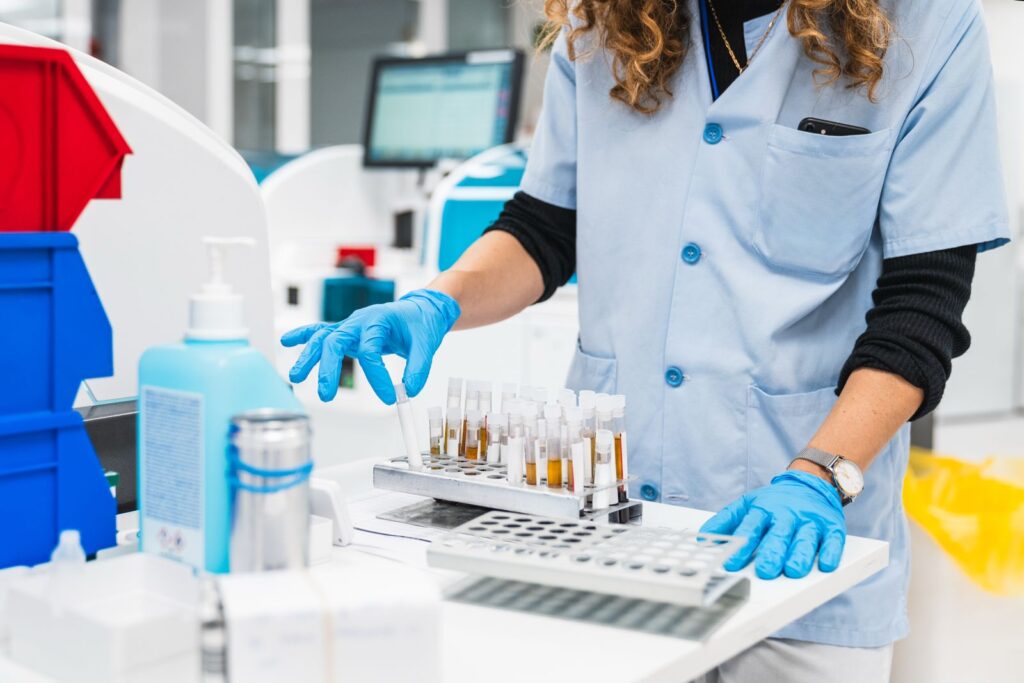
Accurate labs prevent misdiagnosis. Follow these guidelines:
- Draw morning labs between 7:00 and 10:00 AM after an overnight fast.
- Repeat low results on a different day to confirm.
Order the following panel:
- Total testosterone and free testosterone or calculated free testosterone
- LH and FSH to differentiate primary versus secondary hypogonadism
- Estradiol, SHBG, and albumin
- CBC for hematocrit and hemoglobin
- PSA and digital rectal exam if age-appropriate
- Comprehensive metabolic panel and lipid panel
Interpreting results: total testosterone below 300 ng/dL with consistent symptoms often indicates clinical low testosterone. If LH and FSH are low or normal, the problem is likely central (secondary). If LH and FSH are high, suspect primary testicular dysfunction.
When to consider medical treatment
Medical treatment becomes appropriate when symptoms significantly impair quality of life and labs confirm low testosterone. For men actively losing weight who want to preserve muscle and energy, short-term medical support can help maintain lean mass and adherence to a healthy plan.
Discuss benefits and risks with a clinician. Expect improved energy, libido, and strength within 4-12 weeks in many cases.
Common TRT protocols and dosing examples
Providers individualize protocols, but typical regimens include injectables and transdermal options. Examples:
- Testosterone cypionate or enanthate: 50-100 mg twice weekly or 100-200 mg once weekly. Twice-weekly dosing reduces peaks and troughs and often improves mood stability.
- Topical gels: 25-100 mg daily depending on product. Apply to dry skin and avoid skin-to-skin transfer to others.
- Testosterone undecanoate injections: longer-acting option given every 10-14 weeks in some protocols; requires provider oversight.
Monitor labs at baseline, 6-8 weeks after starting, and every 3-6 months thereafter. Aim for mid-normal total testosterone and symptom relief rather than a fixed number.
HCG therapy and fertility preservation
Human chorionic gonadotropin (HCG) mimics LH and stimulates intratesticular testosterone and spermatogenesis. It is commonly used to preserve fertility when starting TRT.
- Typical dosing: 250-500 IU given 2-3 times per week.
- For men prioritizing fertility, HCG can be combined with TRT or used alone in select cases.
Discuss sperm testing and a fertility plan with your provider if children are desired now or in the near future.
Natural strategies that support testosterone during weight loss
Natural methods can complement medical therapy or sometimes restore levels without drugs. These interventions are especially useful during calorie-restricted phases.
- Protein and resistance training – prioritize strength training 3-4 times weekly and consume 1.0-1.6 g protein per kg bodyweight to preserve lean mass.
- Avoid extreme calorie deficits – aim for a 300-500 kcal daily deficit for sustainable loss and hormonal stability.
- Prioritize sleep – 7-9 hours nightly improves hormonal recovery; short sleep lowers testosterone significantly.
- Manage stress – use meditation, breathwork, or therapy to lower cortisol, which suppresses testosterone.
- Micronutrients – confirm vitamin D sufficiency; consider 2,000-4,000 IU vitamin D3 if deficient. Ensure adequate zinc and magnesium through diet or supplements when needed.
- Limit alcohol – excessive intake reduces testosterone and impairs recovery.
Example daily routine for a man losing weight who wants to support testosterone: high-protein breakfast, midday resistance workout, 7-8 hours sleep, 250-500 kcal deficit, and vitamin D supplementation if needed.
Safety monitoring and side-effect management
Safety checks prevent complications and optimize outcomes. Key monitoring includes:
- Hematocrit and hemoglobin every 3 months initially; target hematocrit under 54 percent.
- PSA annually or as clinically indicated, especially for men over 40.
- Estradiol monitoring – treat symptomatic high estradiol with dose adjustment or aromatase inhibitors under supervision.
- Liver and metabolic labs as baseline and periodically.
If hematocrit rises, options include dose reduction, spacing injections, or therapeutic phlebotomy. Never self-adjust dose without clinician input.
Practical patient journey: example case
Case: Mark, 45, started a moderate calorie deficit and weekly cardio but noticed low libido and fatigue after 3 months. Morning total testosterone measured 220 ng/dL on two occasions. LH was normal. Mark started a twice-weekly testosterone injection protocol at 75 mg with 250 IU HCG 3x weekly to preserve fertility.
At 8 weeks Mark reported improved energy and strength. Labs showed mid-normal testosterone, hematocrit stable, and estradiol within range. He maintained a sustainable 0.5 kg per week weight loss and increased workout intensity without losing muscle.
Finding care in California and telemedicine options
California has many clinics that offer TRT and HCG services with state-licensed providers. Look for clinics that provide thorough baseline testing, individualized dosing, and ongoing monitoring. Telemedicine options can manage most follow-ups and lab orders, while in-person visits are useful for physical exams and certain tests.
When choosing a clinic, review testimonials, verify board-certification, and confirm clear lab review schedules and emergency protocols.
Action plan: 30-day starter checklist
- Complete a symptom checklist and track sleep, workouts, and libido for 2 weeks.
- Order morning labs: total and free testosterone, LH, FSH, estradiol, SHBG, CBC, CMP, PSA, lipids.
- Start resistance training 3x per week and increase protein intake.
- Adjust calorie deficit to no more than 300-500 kcal daily and prioritize sleep.
- If labs confirm low testosterone and symptoms persist, consult a TRT provider to discuss options including HCG if fertility is a concern.
Frequently Asked Questions
Can weight loss alone restore low testosterone?
Moderate weight loss can raise testosterone, especially if visceral fat is reduced and you build or preserve muscle. However, extreme dieting, poor sleep, or high stress can blunt this benefit. If symptoms persist after sustainable weight loss, testing is recommended.
How quickly does TRT improve symptoms?
Many men notice improved energy and libido within 4-12 weeks, while changes in muscle mass and body composition often take 3-6 months. Response varies by age, baseline health, and adherence to diet and exercise.
Will TRT stop sperm production?
Standard TRT suppresses intratesticular testosterone and can reduce sperm production over months. Adding HCG or using alternative protocols can preserve or restore fertility. Discuss fertility goals before starting therapy.
What labs should I track while on TRT?
Track total and free testosterone, hematocrit, PSA, estradiol, and metabolic panels. Check levels at baseline, 6-8 weeks after starting, then every 3-6 months. Monitoring prevents complications and guides dose adjustments.
Can I use natural supplements instead of TRT?
Supplements like vitamin D, zinc, and magnesium may help if you are deficient, but they rarely replace TRT when testosterone is clinically low. Combine evidence-based supplements with lifestyle changes for best results.
Is TRT safe for men with cardiovascular risk?
TRT may be used safely in men with cardiovascular risk under clinician supervision, but it requires close monitoring of hematocrit, blood pressure, and lipids. A thorough risk-benefit discussion with a provider is essential.
Conclusion
Restoring testosterone during weight loss requires a balanced plan that combines accurate diagnosis, targeted medical therapy when appropriate, and lifestyle strategies to support long-term hormonal health. Start with morning labs and a 30-day checklist, adjust training and calories to protect muscle, and consult a licensed provider if symptoms persist. With the right approach you can lose weight while keeping energy, libido, and strength intact.
Disclaimer
This blog is for informational and educational purposes only and does not constitute medical advice, diagnosis, or treatment. The content provided is based on general health information and research available as of the publication date. Individual health conditions vary, and what works for one person may not be appropriate for another.
Always consult with a qualified healthcare provider before starting any new treatment, including testosterone replacement therapy (TRT), making changes to existing treatments, or if you have questions about your specific health condition. Never disregard professional medical advice or delay seeking it because of information you read on this blog.
If you are experiencing a medical emergency, call 911 or your local emergency services immediately. The information on this website does not create a doctor-patient relationship and should not be used as a substitute for professional medical advice, diagnosis, or treatment.