

Low testosterone affects millions of men and can quietly reduce energy, libido, and confidence. This guide explains how clinicians diagnose hormonal decline, the treatment options available, and what patients should expect when starting therapy.
Whether you live in California or elsewhere, you will find clear, actionable steps: which labs to order, common TRT protocols, the role of HCG, safety monitoring, and natural strategies that complement medical care. Read on for practical examples, monitoring schedules, and patient-centered advice.
What low testosterone looks like
Symptoms are the first sign for many men. Common presentations include erectile dysfunction, reduced sexual desire, persistent fatigue, unexplained weight gain, loss of lean muscle, and mood shifts such as irritability or depressed mood.
Symptoms vary by age and health status. A 45-year-old with obesity and sleep apnea may have different drivers than a healthy 65-year-old with declining hormones. That context matters for diagnosis and treatment planning.
How low testosterone is diagnosed
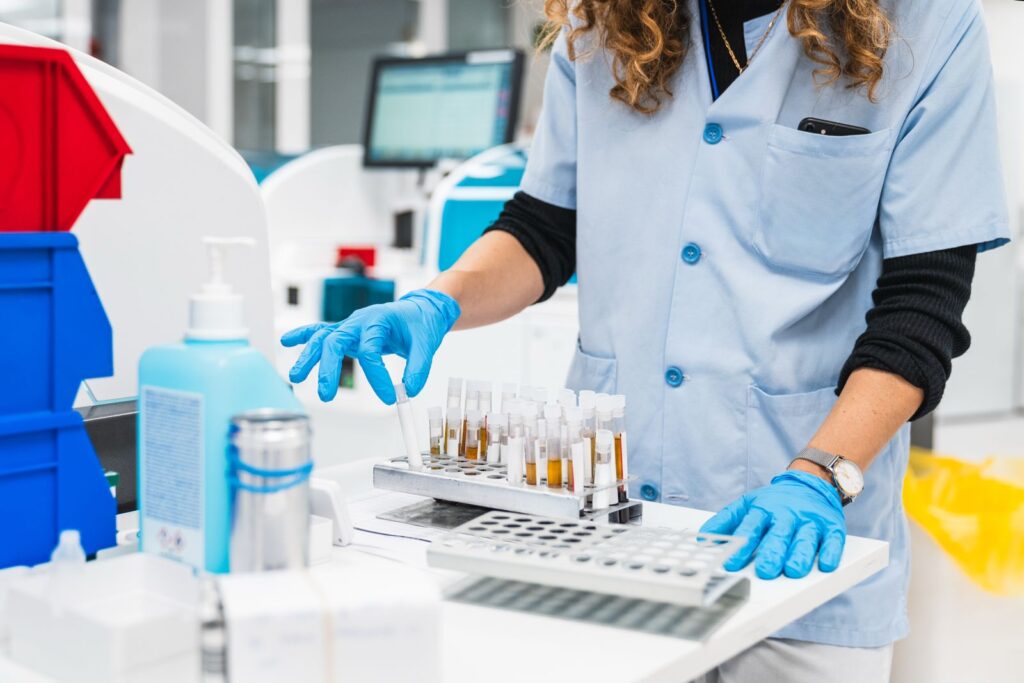
Accurate diagnosis combines symptom assessment and laboratory testing. Clinicians typically measure morning total testosterone levels on at least two separate days between 7 AM and 10 AM, when levels peak.
Essential baseline labs include:
- Total testosterone and free testosterone
- Sex hormone binding globulin (SHBG)
- Estradiol
- Luteinizing hormone (LH) and follicle-stimulating hormone (FSH)
- CBC with hematocrit
- Comprehensive metabolic panel
- PSA for men over 40 or with prostate risk
Interpreting results requires nuance. Many labs list 300-1000 ng/dL as normal for total testosterone. Clinicians often target a therapeutic window of 400-800 ng/dL for symptomatic improvement while monitoring side effects.
TRT protocols and dosing examples
Treatment choice depends on patient preference, fertility goals, and comorbidities. Common TRT delivery methods include intramuscular injections, transdermal gels, and subcutaneous pellets. Each has pros and cons.
Injection protocols
Injections are widely used for predictable dosing and cost-effectiveness. Typical regimens include:
- Testosterone cypionate or enanthate 100 mg twice weekly for stable levels
- Or 150-200 mg once weekly for clinics that prefer weekly visits, recognizing wider level swings
Smaller, more frequent dosing reduces peaks and troughs and often improves mood and libido consistency.
Topicals and pellets
Gels provide steady absorption but require daily application and careful hygiene to avoid transfer. Pellets offer 3-6 month dosing but require a minor procedure for insertion and removal.
HCG therapy: when and why to use it
Human chorionic gonadotropin, or HCG, mimics LH and stimulates the testes to produce testosterone and sperm. It is central when preserving fertility is a goal.
Common HCG approaches include 250 IU injected 2-3 times per week or 500 IU 2 times per week when used alongside testosterone to maintain intratesticular testosterone and support spermatogenesis.
For men actively trying to conceive, clinicians may use HCG with selective FSH therapy or temporarily suspend exogenous testosterone and use pulsatile regimens. Discuss fertility desires before initiating TRT.
Monitoring and safety to prioritize
Safety monitoring is not optional. Labs should be checked at baseline, at 6-12 weeks after starting or changing dose, at 6 months, and then annually if stable.
Key monitoring targets and actions:
- Hematocrit: stop or reduce dose if hematocrit exceeds 54 percent; therapeutic phlebotomy may be needed
- Estradiol: symptoms of high estrogen include breast tenderness; aromatase inhibitors are not routinely recommended without clear indication
- PSA and prostate exam: monitor in men over 40 or with prostate cancer risk
- Metabolic markers: glucose, lipids, and liver function need periodic checks
Also screen for obstructive sleep apnea before starting TRT in men with loud snoring or daytime sleepiness since testosterone can worsen untreated sleep-disordered breathing.
Fertility, contraception, and family planning
Exogenous testosterone suppresses LH and FSH and commonly reduces sperm production. Men who want children should discuss alternatives and preservation methods before starting TRT.
Options include:
- Using HCG with or without FSH to preserve sperm production
- Sperm cryopreservation before TRT
- Temporary use of selective estrogen modulators or clomiphene citrate as alternative therapy for selected men wanting to maintain fertility
Natural strategies that support hormone health
Lifestyle changes complement medical therapy and may reduce the required dose. Focus on weight loss if BMI is above the healthy range, as adipose tissue increases aromatization of testosterone into estrogen.
Effective measures include:
- Resistance training 2-4 times per week to boost muscle mass and testosterone responsiveness
- High-quality sleep of 7-9 hours per night to optimize endocrine recovery
- A balanced diet with adequate protein and micronutrients such as vitamin D and zinc
- Reducing alcohol and stopping smoking
When to see a clinician in California
If symptoms persist for weeks and initial self-care measures do not help, schedule a visit. California offers many clinics and telemedicine options specializing in hormone health. Look for board-certified providers who perform thorough history-taking and follow evidence-based protocols.
Bring prior labs, a symptom log, and a list of medications. That preparation speeds diagnosis and allows more precise tailoring of therapy.
Real-case scenario
Consider a 52-year-old man with fatigue, low libido, and 34 percent body fat. Morning total testosterone measures 280 ng/dL on two occasions. After lifestyle counseling, his clinician starts injections of 100 mg twice weekly with HCG 250 IU twice weekly because he desires future fertility.
At 3 months his total testosterone reaches 520 ng/dL, hematocrit is 47 percent, and symptoms improve markedly. The clinician continues monitoring and emphasizes continued exercise and sleep hygiene to sustain benefits.
Practical checklist before starting TRT
- Document symptoms and baseline labs, including testosterone, estradiol, LH, FSH, CBC, CMP, lipids, and PSA when appropriate
- Assess fertility goals and discuss HCG or sperm banking if desired
- Screen for sleep apnea and cardiovascular risk
- Agree on a monitoring schedule and clear target testosterone range
- Plan lifestyle interventions to support therapy
Frequently Asked Questions
What are the common symptoms of low testosterone?
Low testosterone often causes low libido, erectile dysfunction, fatigue, muscle loss, unexplained weight gain, and mood changes. Symptoms can develop gradually and overlap with other conditions, so lab testing is essential for confirmation.
How is low testosterone diagnosed with labs?
Diagnosis requires at least two morning total testosterone tests, ideally between 7 AM and 10 AM. Clinicians also check free testosterone, SHBG, estradiol, LH, FSH, CBC, and metabolic markers to determine cause and safety for treatment.
Will TRT make me infertile?
Exogenous testosterone suppresses testicular function and can reduce sperm production, often causing reversible infertility but sometimes longer lasting effects. Men who want children should consider HCG, FSH, or sperm banking before starting standard TRT.
How long until I feel benefits from TRT?
Energy and libido improvements can appear within 2-6 weeks, while muscle gains and fat loss usually take 3-6 months with proper training and nutrition. Individual response varies with baseline health and adherence to therapy.
Is HCG necessary with TRT?
HCG is not required for everyone but is useful to preserve testicular function and fertility when men want to maintain sperm production. It is commonly dosed at 250-500 IU 2-3 times per week alongside testosterone in fertility-focused plans.
What are the main risks of testosterone therapy?
Risks include increased hematocrit, potential worsening of sleep apnea, and changes in cholesterol profiles; monitoring mitigates these risks. Prostate cancer is a relative contraindication, and PSA should be checked before and during therapy for men at risk.
Conclusion
Testosterone replacement therapy can restore energy, sexual function, and muscle mass when used appropriately. Success depends on accurate diagnosis, individualized protocol selection, fertility planning, and careful monitoring. Combine medical therapy with lifestyle changes for the best outcomes and consult a qualified clinician to create a safe, effective plan.
Disclaimer
This blog is for informational and educational purposes only and does not constitute medical advice, diagnosis, or treatment. The content provided is based on general health information and research available as of the publication date. Individual health conditions vary, and what works for one person may not be appropriate for another.
Always consult with a qualified healthcare provider before starting any new treatment, including testosterone replacement therapy (TRT), making changes to existing treatments, or if you have questions about your specific health condition. Never disregard professional medical advice or delay seeking it because of information you read on this blog.
If you are experiencing a medical emergency, call 911 or your local emergency services immediately. The information on this website does not create a doctor-patient relationship and should not be used as a substitute for professional medical advice, diagnosis, or treatment.