

Feeling low energy, reduced libido, and declining muscle mass can be frustrating and isolating. For many men in California and beyond, these changes stem from low testosterone, and sensible treatment can restore quality of life. This guide explains how testosterone replacement therapy, when combined with targeted testing, HCG use, and lifestyle changes, leads to measurable improvement.
We focus on practical steps: what to test, how common TRT protocols work, when to include HCG to preserve fertility, and how to monitor safety. Read on for concrete examples, dosing options, and a clear patient pathway that prepares you for a clinic visit or telemedicine consult.
Recognizing Low Testosterone: Symptoms and Initial Self-Assessment
Low testosterone often shows up as reduced libido, erectile dysfunction, fatigue, and loss of muscle mass. Men may also report weight gain, brain fog, and mood changes such as increased irritability or depression. Symptoms are variable, so use a checklist to track severity and onset.
Actionable step: keep a two-week symptom log noting sleep, libido, energy, and workouts. Share this with your provider to help determine urgency and to establish baseline functional goals for therapy.
How Low T Is Diagnosed: Labs, Timing, and Interpretation
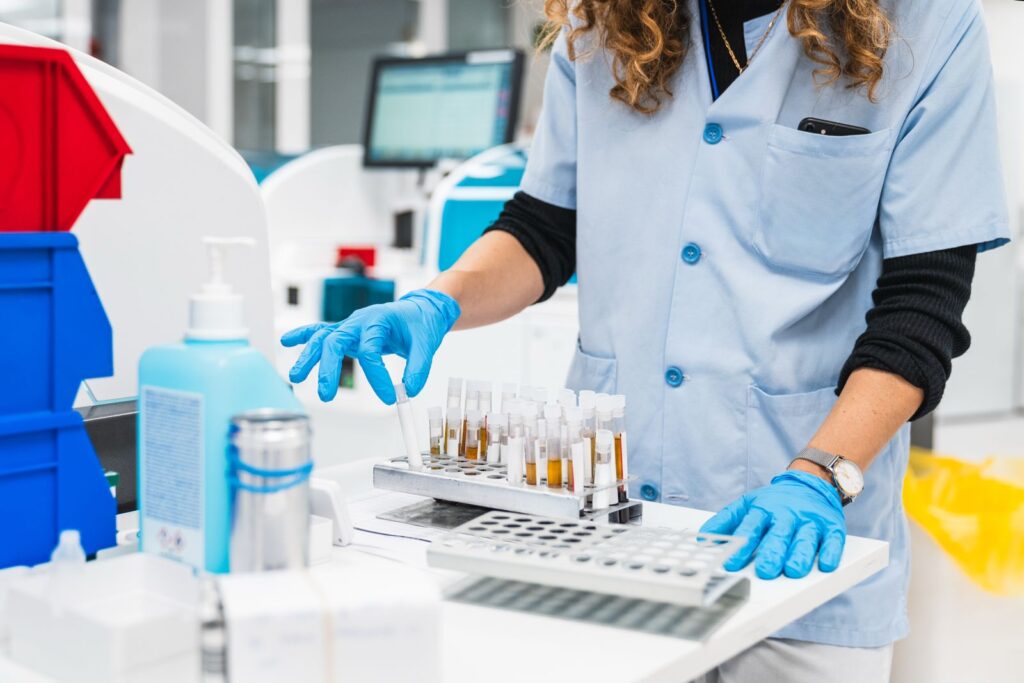
Accurate diagnosis requires targeted blood tests taken in the morning, typically between 7:00 and 10:00 AM. Testosterone levels vary daily, so providers usually order two morning total testosterone tests spaced 1-4 weeks apart.
Key tests to order:
- Total testosterone (morning)
- Free testosterone or calculated free testosterone
- LH and FSH to evaluate testicular function
- SHBG and estradiol to interpret free hormone status
- Complete blood count (for hematocrit), PSA, lipid panel, and CMP
Example interpretation: a morning total testosterone below 300 ng/dL on two occasions with compatible symptoms often supports a diagnosis of low T. Low LH with low testosterone suggests secondary hypogonadism, which may respond well to TRT or fertility-preserving strategies.
TRT Protocols: Options, Dosing, and Practical Examples
There are several TRT delivery methods: injections, gels, patches, and subcutaneous pellets. In clinical practice, injectable testosterone is common because dosing is flexible and monitoring is straightforward.
Common injection approaches:
- Weekly injections: e.g., 100-200 mg intramuscular testosterone cypionate or enanthate once weekly.
- Split dosing twice-weekly: e.g., 50-100 mg every 3-4 days to keep levels stable and reduce mood swings.
- Topical gels: daily application delivering 20-60 mg; useful for those who prefer non-injectable options but watch for transfer risk to partners.
Concrete example: A 48-year-old man with baseline total T of 240 ng/dL and fatigue might start 100 mg intramuscular once weekly, with follow-up labs at 6-8 weeks to check trough and peak levels and adjust to a mid-normal range.
HCG and Fertility: When to Use It and Typical Regimens
Standard TRT suppresses intratesticular testosterone and can reduce sperm production. For men who want to preserve fertility or maintain testicular volume, adding human chorionic gonadotropin (HCG) or choosing alternatives like clomiphene citrate is important.
HCG dosing patterns commonly used in clinic:
- Low-dose HCG: 250 IU subcutaneous 2-3 times per week alongside TRT.
- Moderate dosing for fertility: 500-1,500 IU subcutaneous 2-3 times weekly under specialist guidance.
Example scenario: a 35-year-old planning to have children soon may receive testosterone injections plus HCG 250 IU three times weekly to maintain spermatogenesis while improving symptoms.
Monitoring and Safety: Labs and Clinical Checks
Monitoring is essential for safe therapy. Initial follow-up labs are typically at 6-8 weeks after starting or after dose changes, then every 3-6 months during the first year, and at least yearly thereafter.
Routine monitoring includes:
- Testosterone (total and sometimes free)
- Hematocrit and hemoglobin to detect polycythemia
- PSA and digital rectal exam baseline for men over 40 or with risk factors
- Liver function and lipid panel as indicated
Action point: if hematocrit rises above 54 percent, work with your provider to adjust dosing or consider therapeutic phlebotomy. If estradiol becomes elevated with symptoms of gynecomastia, an aromatase inhibitor or dose adjustment may be necessary.
Natural and Lifestyle Strategies to Complement TRT
TRT is most effective when combined with lifestyle changes that support endocrine health. These interventions can improve outcomes and sometimes reduce the required TRT dose.
High-impact lifestyle steps:
- Optimize sleep: aim for 7-9 hours and treat obstructive sleep apnea if present.
- Strength training 3-4 times weekly to rebuild muscle and boost testosterone action.
- Target a protein-rich diet with moderate-calorie deficit for weight loss when needed.
- Correct vitamin D deficiency and ensure adequate zinc intake if deficient.
- Limit excessive alcohol and manage stress with mindfulness or therapy.
Example: Men with central obesity and low T may see a 10-15 percent testosterone increase after 6-12 months of sustained weight loss plus resistance training, complementing the benefits of TRT.
Choosing a Provider: What to Look For in California Clinics
Seek a provider with experience in male hormone care who performs comprehensive testing, individualized dosing, and ongoing monitoring. In California, look for clinics that offer lab partnerships, telemedicine follow-ups, and clear protocols for fertility preservation.
Questions to ask a clinic:
- Do you order morning testosterone tests and which labs do you use?
- How do you monitor hematocrit, PSA, and estradiol?
- What are your HCG or fertility-preserving options?
- Do you provide written dosing plans and clear follow-up timelines?
Transparent answers build confidence. A reputable clinic will provide measurable goals and documented follow-up plans rather than a one-size-fits-all prescription.
Red Flags and Contraindications
TRT is not safe for everyone. Avoid starting therapy if there is an untreated prostate cancer concern, uncontrolled severe polycythemia, or uncontrolled heart failure. Active screening and shared decision-making are essential.
If you have complex medical issues, consult an endocrinologist or urologist experienced in hypogonadism to weigh benefits and risks and to design a monitoring plan tailored to your health status.
Frequently Asked Questions
What are the most common symptoms of low testosterone?
Common symptoms include low libido, erectile dysfunction, fatigue, decreased muscle mass, increased body fat, and mood changes. Symptoms vary by individual and often develop gradually, so a symptom log can clarify progression.
How is low testosterone diagnosed with lab tests?
Diagnosis requires at least two morning total testosterone tests plus supportive labs like free testosterone, LH, SHBG, and estradiol. Timing matters: draw blood between 7:00 and 10:00 AM and repeat tests to confirm low values.
What does a typical TRT protocol look like?
Typical protocols include intramuscular injections 50-200 mg per week (split dosing is common) or daily topical gels. Providers individualize dose to reach mid-normal testosterone levels while minimizing side effects.
Is HCG necessary when starting TRT?
HCG is not required for every man but is recommended if fertility preservation or testicular volume maintenance is a priority. Low-dose HCG 250 IU subcutaneous 2-3 times weekly is a common adjunct to TRT.
What are the main risks of TRT and how are they monitored?
Key risks include increased hematocrit, elevated estradiol, and potential prostate-related concerns. Regular monitoring of hematocrit, PSA, and hormone levels allows early detection and dose adjustments.
How long before I notice benefits from TRT?
Many men report increased libido and energy within 2-6 weeks; improvements in mood and cognition may follow by 8-12 weeks. Muscle gains and body composition changes often require combined resistance training and 3-6 months of consistent therapy.
Conclusion
Testosterone replacement therapy can significantly improve energy, sexual function, and body composition when applied with careful diagnosis, individualized dosing, and proper monitoring. Combining TRT with lifestyle changes and fertility-preserving strategies like HCG produces better outcomes for many men. If you suspect low testosterone, gather a symptom log, request morning labs, and consult a qualified provider to create a safe, measurable treatment plan tailored to your goals.
Disclaimer
This blog is for informational and educational purposes only and does not constitute medical advice, diagnosis, or treatment. The content provided is based on general health information and research available as of the publication date. Individual health conditions vary, and what works for one person may not be appropriate for another.
Always consult with a qualified healthcare provider before starting any new treatment, including testosterone replacement therapy (TRT), making changes to existing treatments, or if you have questions about your specific health condition. Never disregard professional medical advice or delay seeking it because of information you read on this blog.
If you are experiencing a medical emergency, call 911 or your local emergency services immediately. The information on this website does not create a doctor-patient relationship and should not be used as a substitute for professional medical advice, diagnosis, or treatment.