
Many men over 50 notice lower energy, reduced libido, and slower muscle recovery. These symptoms often point to age-related testosterone decline, but not every man needs treatment. Knowing when to test, how to interpret results, and what treatment paths exist can speed recovery and reduce risk.
This guide walks through a practical, clinical approach to starting testosterone replacement therapy after age 50. It covers diagnostic labs, common TRT protocols, HCG use for fertility, monitoring schedules, natural strategies, and how to choose a reputable clinic in California.
Read on for actionable steps, real lab targets, and specific examples you can bring to a consultation with a urologist or endocrinologist.
When to Consider TRT
Start by matching symptoms with objective testing. Common signs include erectile dysfunction, low libido, persistent fatigue, increased body fat, muscle loss, and mood changes.
Red flags that warrant evaluation include sudden loss of libido, unexplained anemia, or significant bone loss. If symptoms interfere with daily life, seek assessment rather than self-treating.
Diagnostic Workup: Labs and Timing
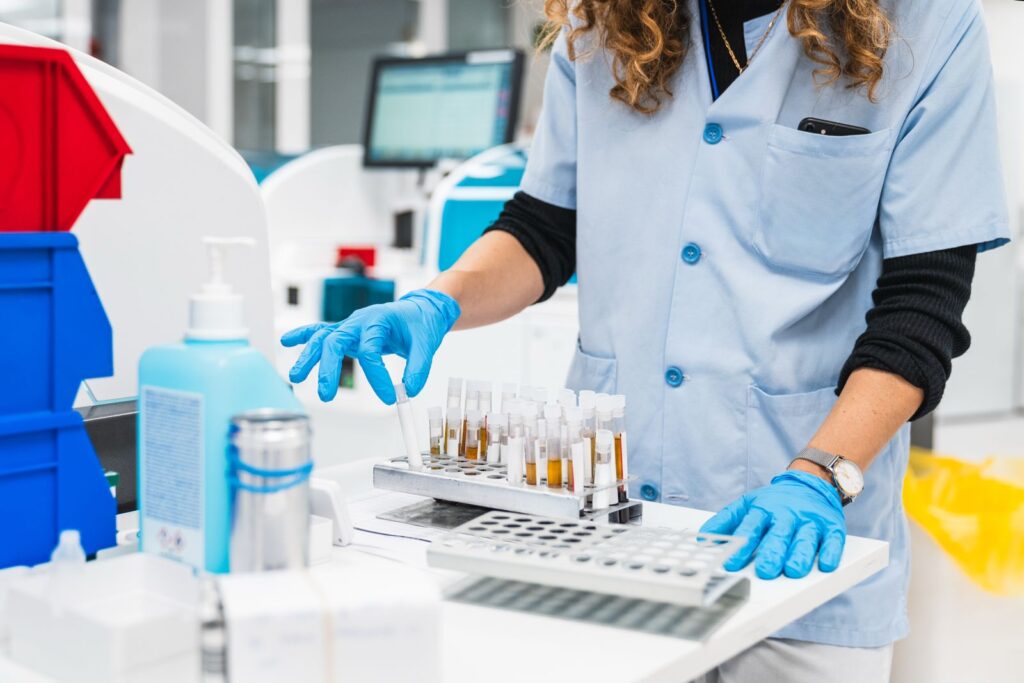
A reliable diagnosis depends on the right blood tests and timing. Testosterone fluctuates during the day, so draw samples in the morning between 7-10 am on two separate occasions.
Essential baseline labs include:
- Total testosterone – measured in ng/dL; values below 300 ng/dL on repeat testing commonly suggest low T.
- Free testosterone – helpful when SHBG is abnormal or when symptoms do not match total-T.
- Sex hormone-binding globulin (SHBG) – influences free T availability.
- Luteinizing hormone (LH) and follicle-stimulating hormone (FSH) – to distinguish primary from secondary hypogonadism.
- Prolactin – elevated levels can suppress testosterone.
- Estradiol – helps guide aromatase management and symptom interpretation.
- Complete blood count (CBC) – baseline for erythrocytosis risk.
- Metabolic panel and lipid profile – assess cardiometabolic risk.
- Prostate-specific antigen (PSA) – baseline prostate assessment in men over 40.
Example scenario: a 54-year-old man with morning total T of 260 ng/dL and symptoms of low libido and fatigue would repeat testing and obtain LH, SHBG, CBC, PSA, and metabolic labs before starting therapy.
Choosing a TRT Protocol
Choose a route based on lifestyle, tolerance, cost, and monitoring capacity. Common options include intramuscular injections, transdermal gels, and patches.
- Intramuscular injections – testosterone cypionate or enanthate. Typical starting dose for older men is 50-100 mg twice weekly or 100-200 mg once weekly. Splitting doses reduces peak-trough swings and mood shifts.
- Transdermal gels – daily dosing that gives stable levels and is convenient for many men. Ensure proper application to avoid transfer to partners.
- Patches – reliable delivery but can cause local skin irritation in some men.
Target labs should be individualized, but many clinicians aim for total testosterone in the mid-normal adult range, roughly 400-700 ng/dL. Adjust dose to symptoms and labs, not strictly by formula.
HCG Therapy and Fertility Preservation
Testosterone therapy can suppress sperm production by lowering intratesticular testosterone. Men who want to preserve fertility should discuss human chorionic gonadotropin, or HCG.
HCG mimics LH and stimulates the testes, preserving sperm production and testicular size. A common regimen is 500 IU subcutaneous every other day or 1500 IU two to three times weekly, adjusted by response and sperm counts.
Example: a 52-year-old man who wants children may use TRT plus HCG, or choose selective estrogen receptor modulators like clomiphene for fertility-centered treatment. Discuss options with a reproductive urologist or endocrinologist.
Monitoring and Safety
Monitoring prevents complications and optimizes outcomes. After initiating or changing dose, recheck testosterone, hematocrit, and estradiol at 6-8 weeks, then at 3 months. Once stable, monitor every 6-12 months.
- Watch hematocrit; stop or lower dose if it exceeds 54 percent and manage per clinician guidance.
- Track PSA and digital rectal exam history per urology recommendations.
- Adjust estradiol with aromatase inhibitors only if symptomatic or if estradiol is clearly elevated on labs.
If you develop chest pain, severe leg swelling, or unexplained shortness of breath, seek urgent medical attention and notify your TRT provider.
Natural and Lifestyle Strategies to Complement TRT
Integrating lifestyle changes improves outcomes and may reduce required TRT dose. Aim for weight loss if overweight, as obesity lowers total and free testosterone through increased aromatase activity.
Specific actions that raise testosterone naturally include resistance training 3-4 times per week, high-quality sleep of 7-9 hours nightly, and managing chronic stress. Supplementation with vitamin D when deficient and ensuring adequate dietary zinc can help as well.
- Strength program example: 3 total-body resistance sessions per week, focusing on compound lifts, progressive overload, and 8-12 repetitions per set.
- Sleep hygiene: consistent bedtime, limit blue light 60 minutes before sleep, and treat sleep apnea if present.
Selecting a TRT Clinic in California
California offers many TRT providers, from telemedicine services to specialist centers in Los Angeles, San Francisco, San Diego, and the Bay Area. Choose clinics with clear protocols, lab integration, and board-certified physicians.
Use this checklist when evaluating a clinic:
- Verified physician credentials – urology or endocrinology specialization is ideal.
- Clear baseline testing and repeat-lab schedule.
- Individualized dosing with shared decision-making and documented informed consent.
- Access to on-site or partnered labs and local urgent care referrals.
- Transparent pricing and prescription sourcing.
Telemedicine can work well for ongoing management if local labs are available and in-person visits are scheduled for initial assessments where indicated.
What to Expect During Treatment
Improvements often follow a general timeline. Energy and libido may improve within 2-6 weeks. Strength gains and muscle recovery typically appear at 8-12 weeks and continue with training and nutrition.
Be realistic: body composition changes need consistent exercise and dietary adjustments. Some men experience mood improvements quickly, while others need dose fine-tuning. Keep open communication with your provider to adjust therapy based on symptoms and labs.
Practical Case Example
Case: Mr. A is 57, BMI 29, complains of low energy and reduced libido for 18 months. Morning total testosterone measured 270 ng/dL twice. LH is low-normal, SHBG is normal, CBC and PSA are within range.
Plan: start testosterone cypionate 60 mg twice weekly, recheck labs at 6-8 weeks, add HCG 500 IU every other day because he wants future fertility. He begins a structured resistance program and dietary plan aiming for 5-8 percent weight loss over 4 months. At 3 months his total T is 520 ng/dL, hematocrit remains 44 percent, and libido has improved.
Frequently Asked Questions
What is considered low testosterone for men over 50?
Low testosterone is often defined as a total testosterone below 300 ng/dL on morning tests performed on at least two occasions. Clinicians also consider free testosterone, symptoms, and SHBG when making a diagnosis.
Will TRT make me infertile?
Exogenous testosterone can suppress sperm production and reduce fertility. Men who want to preserve fertility should discuss HCG or alternative therapies with their provider before starting TRT.
How long until I notice benefits from TRT?
Many men notice improved libido and energy within 2-6 weeks. Muscle mass and strength generally improve over 8-12 weeks with proper training and nutrition.
What baseline labs are required before starting TRT?
Required labs include morning total and free testosterone, LH, FSH, SHBG, prolactin, CBC, metabolic panel, lipid panel, estradiol, and PSA in men over 40. Repeat testosterone confirms the diagnosis.
Is TRT safe for my prostate?
Current evidence shows TRT does not cause prostate cancer in men without existing disease, but it can increase PSA levels. Providers monitor PSA and perform prostate exams as part of routine safety checks.
Can I use HCG while on TRT?
Yes, HCG can be used alongside TRT to preserve intratesticular testosterone and support spermatogenesis. Dosages vary, commonly 500 IU every other day or 1500 IU two to three times weekly, tailored to response.
How often should I get labs after starting TRT?
Recheck testosterone, hematocrit, and estradiol at 6-8 weeks after initiation or dose change, again at 3 months, then every 6-12 months once stable. More frequent checks may be needed if side effects occur.
Starting TRT after 50 can restore quality of life when done with careful diagnosis, individualized treatment, and ongoing monitoring. Combine medical therapy with lifestyle changes to maximize benefit and minimize risk. If you live in California, look for board-certified specialists who provide clear testing and follow-up. Schedule an appointment with a urologist or endocrinologist to review your labs and symptoms and create a safe, effective plan tailored to your goals.
Disclaimer
This blog is for informational and educational purposes only and does not constitute medical advice, diagnosis, or treatment. The content provided is based on general health information and research available as of the publication date. Individual health conditions vary, and what works for one person may not be appropriate for another.
Always consult with a qualified healthcare provider before starting any new treatment, including testosterone replacement therapy (TRT), making changes to existing treatments, or if you have questions about your specific health condition. Never disregard professional medical advice or delay seeking it because of information you read on this blog.
If you are experiencing a medical emergency, call 911 or your local emergency services immediately. The information on this website does not create a doctor-patient relationship and should not be used as a substitute for professional medical advice, diagnosis, or treatment.