
Many men over 40 in California notice worsening energy, low libido, and difficulty maintaining muscle despite diet and exercise. These symptoms can signal low testosterone, and a clear, step by step plan makes diagnosis and treatment safer and more effective.
This guide walks you through the practical patient journey: recognizing symptoms, getting the right labs, choosing a TRT protocol, preserving fertility with HCG or alternatives, monitoring safety, and realistic lifestyle changes that enhance outcomes. It includes specific examples and actionable steps you can take this week to move forward.
Recognizing Low Testosterone: What to Watch For
Low testosterone often shows as a cluster of symptoms rather than a single problem. Common signals include lowered libido, erectile dysfunction, fatigue, unexplained weight gain, loss of muscle mass, and mood changes such as irritability or depression.
Track symptoms for 2 to 3 months and note timing, severity, and any factors that make them better or worse. Bring this record to your first consultation to speed diagnosis and treatment planning.
Step 1 – Getting Proper Diagnostic Testing in California
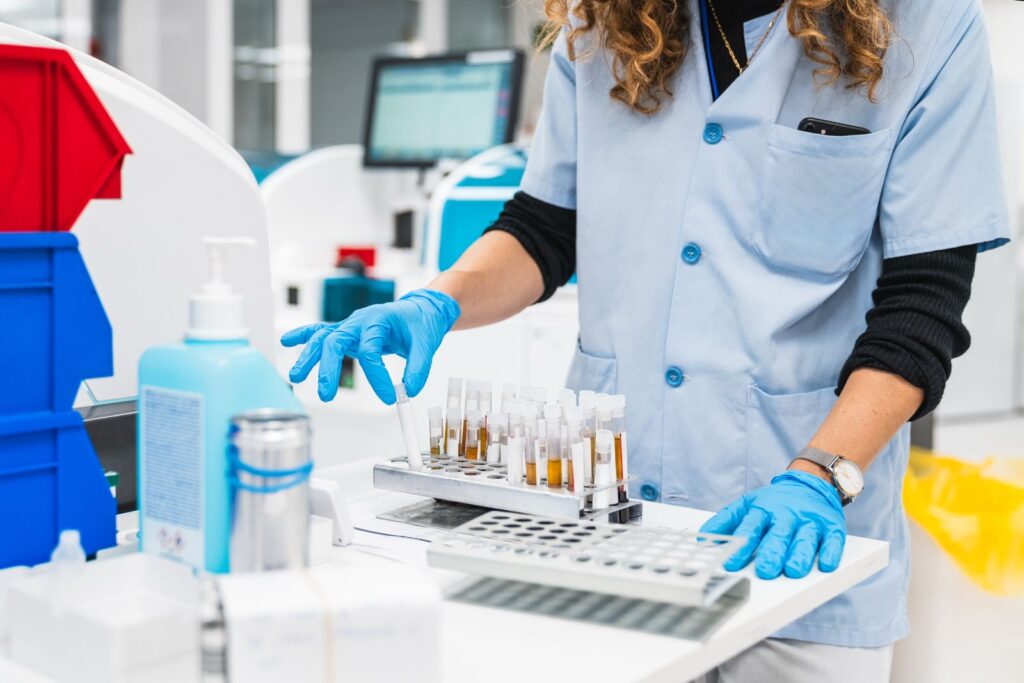
Accurate testing is critical. Order morning labs between 7:00 and 10:00 am on two separate days when possible, fasting if your provider requests it. California patients commonly use LabCorp or Quest Diagnostics; many telemedicine clinics also coordinate local draws.
Ask for this core panel:
- Total testosterone (morning)
- Free testosterone or calculated free testosterone
- Sex hormone binding globulin – SHBG
- Luteinizing hormone – LH and follicle stimulating hormone – FSH
- Estradiol (sensitive assay)
- Complete blood count – CBC including hematocrit
- Comprehensive metabolic panel – CMP
- Prostate specific antigen – PSA (if age appropriate)
- Lipid panel
Interpretation example: many guidelines consider total testosterone under 300 ng/dL as low, but clinical context and free testosterone matter. SHBG and LH help distinguish primary from secondary hypogonadism and guide therapy choices.
Step 2 – Choosing a TRT Protocol
There is no one size fits all. Common, evidence-based options include intramuscular injections, transdermal gels, and subcutaneous pellets. Injections are often the most flexible and cost-effective for new patients.
Typical injection approach used by clinics:
- Start with testosterone cypionate or enanthate, split dosing to maintain stable levels (for example 50 to 100 mg total per week divided into two doses).
- Alternative starting option is 100 mg once weekly with measurement at trough to adjust dose.
- Topical gels provide steady exposure but carry transfer risk to partners or children.
Always start at a conservative dose and titrate based on symptoms and labs. Your provider will individualize the plan based on age, comorbidities, and goals.
HCG and Fertility Preservation
If you want to preserve or restore fertility while on TRT, adding human chorionic gonadotropin – HCG is a standard strategy. HCG mimics LH and helps maintain testicular function and sperm production.
Common HCG approaches used clinically:
- HCG 250 to 500 IU given two to three times per week for maintenance of testicular volume and fertility.
- Higher HCG doses may be used short term to recover sperm counts alongside or after TRT, under specialist supervision.
Clomiphene citrate is an alternative for men with secondary hypogonadism who prefer an oral option and want fertility preservation. Discuss risks and monitoring with your clinician.
Monitoring and Safety: What to Check and When
Monitoring prevents complications and optimizes outcomes. Establish a schedule before starting therapy.
- Baseline labs before treatment.
- First check at 6 weeks to confirm therapeutic testosterone and evaluate hematocrit and estradiol.
- At 3 months review symptoms, testosterone trough or mid-cycle level, CBC, CMP, PSA, and lipids.
- After stable dosing monitor every 6 months, or more frequently if issues arise.
Key safety concerns include elevated hematocrit, which can require dose change or therapeutic phlebotomy, and elevated estradiol causing gynecomastia. Active management can include dose adjustments, aromatase inhibitor use, or HCG adjustments.
Practical Example Case
Mark, age 46, presents with two years of fatigue and low libido. Morning total testosterone twice measured 240 ng/dL, LH normal, SHBG slightly high, hematocrit 42 percent. His provider starts testosterone cypionate 50 mg twice weekly and HCG 250 IU twice weekly to preserve fertility and testicular volume.
At 6 weeks his symptoms improved, total testosterone 480 ng/dL, hematocrit 44 percent, estradiol 26 pg/mL. Dose is maintained and labs repeated at 3 months. This kind of stepwise, data driven approach reduces risk and maximizes symptom relief.
Lifestyle Changes That Amplify TRT Results
Medication works best when combined with lifestyle optimization. Focus on:
- Resistance training 3 to 5 times per week to restore muscle mass and strength.
- Sleep hygiene – 7 to 9 hours nightly; poor sleep lowers testosterone.
- Calorie quality and weight loss if overweight – losing 5 to 10 percent body weight can boost levels.
- Vitamin D optimization – commonly 2,000 to 4,000 IU daily if deficient, after testing.
- Reduce excessive alcohol and avoid chronic opioid use and unregulated anabolic steroids.
These changes improve mood, sexual function, and metabolic health alongside TRT.
Finding Care in California
In California you have broad access to both in-person endocrinologists and urologists and many reputable telehealth TRT clinics. Verify providers are board certified and that clinics provide full lab monitoring rather than medication-only services.
Use local lab networks like LabCorp or Quest Diagnostics for testing. If you have complex medical history such as heart disease or prostate concerns, pick a specialist and obtain clearance before starting therapy.
Cost and Insurance Considerations
Insurance coverage varies. Some insurers cover evaluation and labs but not medication for elective TRT. Out of pocket costs for injectable TRT can range from modest to moderate depending on compound, dosing, and compounding pharmacy fees. Generic testosterone injectables are often the most affordable option.
Ask your clinic for a cost breakdown and whether prior authorization is required. Some California clinics offer bundled programs that include labs and provider follow up for a monthly fee.
Frequently Asked Questions
How do I know if I need TRT?
Consider TRT if you have persistent symptoms such as low libido, erectile dysfunction, persistent fatigue, or muscle loss and morning total testosterone consistently measures low on two separate days. Lab results, SHBG, LH, and clinical context determine whether TRT is appropriate.
Will TRT affect my fertility?
Yes, standard testosterone therapy can suppress sperm production by lowering intratesticular testosterone. If fertility matters, discuss adding HCG or using clomiphene with your provider to preserve or restore sperm production.
What monitoring is required on TRT?
Baseline labs then early follow up at 6 weeks and again at 3 months are standard. Ongoing checks include testosterone level, hematocrit, estradiol, PSA, CMP, and lipid panel every 3 to 6 months initially, then every 6 to 12 months once stable.
Can I use TRT if I have heart disease?
Cardiovascular history requires careful assessment. Many men with stable heart disease can be treated safely with close monitoring, but active or recent major cardiac events require specialist input before starting TRT.
Are topical gels safer than injections?
Topical gels avoid injections and give stable levels for some men, but they carry transfer risk to partners and children. Injections often offer better cost-effectiveness and dose flexibility. The best route is the one aligned with your goals and lifestyle.
How long before I notice benefits?
Some symptoms such as libido and mood may improve within 3 to 6 weeks, while muscle gains and body composition changes often take 3 to 6 months. Individual responses vary and require dose optimization and lifestyle support.
Conclusion
Starting TRT after 40 in California is a manageable, evidence-based process when you follow structured testing, choose an individualized protocol, preserve fertility if needed, and commit to monitoring. Work with a board-certified provider, use accredited labs, and combine treatment with lifestyle changes to maximize results.
If you think you have low testosterone, schedule an appointment with a qualified clinician, bring a symptom log, and request the core lab panel described here. Early and guided care delivers the best outcomes and the safest path back to energy, sexual health, and strength.
Disclaimer
This blog is for informational and educational purposes only and does not constitute medical advice, diagnosis, or treatment. The content provided is based on general health information and research available as of the publication date. Individual health conditions vary, and what works for one person may not be appropriate for another.
Always consult with a qualified healthcare provider before starting any new treatment, including testosterone replacement therapy (TRT), making changes to existing treatments, or if you have questions about your specific health condition. Never disregard professional medical advice or delay seeking it because of information you read on this blog.
If you are experiencing a medical emergency, call 911 or your local emergency services immediately. The information on this website does not create a doctor-patient relationship and should not be used as a substitute for professional medical advice, diagnosis, or treatment.