
Deciding to start testosterone replacement therapy while wanting to keep your fertility intact is a common and solvable challenge. Many men worry that TRT will end their ability to father children, but with the right protocol and monitoring you can treat symptoms while protecting sperm production.
This guide explains the mechanisms behind TRT-related fertility decline, practical protocols that preserve sperm, required lab testing, and lifestyle steps that boost outcomes. I include concrete examples, timelines, and actions you can take now or discuss with your clinician in California or anywhere else.
Why TRT can affect fertility
Exogenous testosterone suppresses the hypothalamic-pituitary-gonadal axis. In plain terms, added testosterone signals the brain to reduce luteinizing hormone (LH) and follicle-stimulating hormone (FSH), which lowers intratesticular testosterone and sperm production.
Not every man responds the same way. Age, baseline gonadotropin levels, prior anabolic steroid use, and testicular health change the risk. Still, if you want children, treat TRT and fertility as linked and plan accordingly.
Key strategies to preserve fertility during TRT
There are three practical approaches to balance symptom relief with fertility preservation:
- Use HCG alongside TRT to maintain intratesticular testosterone and spermatogenesis.
- Use selective estrogen receptor modulators such as clomiphene when indicated to stimulate LH/FSH and endogenous testosterone.
- Temporarily pause or modify TRT and implement fertility-oriented therapy when actively trying to conceive.
Human chorionic gonadotropin (HCG) therapy
HCG mimics LH and directly stimulates the testes. When used with TRT, HCG preserves testicular function and can prevent testicular shrinkage and sperm loss.
Common dosing used by reproductive specialists is 250-500 IU subcutaneously 2-3 times per week. Some protocols use 500 IU every other day. Your endocrine or urology specialist will individualize dosing based on labs and semen analysis.
Clomiphene citrate and SERMs
Clomiphene (clomid) blocks estrogen feedback in the brain, increasing LH and FSH, which can raise endogenous testosterone and sperm production. It is often used in men who want fertility but prefer to avoid injections.
Typical regimens are 25-50 mg daily or every other day. Monitor labs and symptoms closely because clomiphene can raise estradiol in some men and affect mood.
TRT protocols that support fertility
Not all TRT methods have equal fertility risk. Consider form, dosing, and adjunctive therapies.
- Injectable testosterone tends to suppress LH/FSH more predictably than low-dose topical application. If injecting, use divided doses – for example 40-80 mg twice weekly – to avoid large peaks.
- Topical gels may cause less immediate suppression in some men, but they still can reduce LH/FSH. Be cautious and monitor.
- Pulsatile or low-dose approaches plus HCG can relieve symptoms while maintaining spermatogenesis.
Example fertility-preserving protocol
Here is a common, practical regimen men discuss with their providers:
- Baseline tests and semen analysis.
- Start testosterone injections at a symptom-relief dose split into two weekly doses.
- Add HCG 250-500 IU subcutaneously 2-3 times per week to maintain testicular testosterone.
- Retest labs and semen analysis at 3 months and adjust.
This approach often restores sexual function and energy while keeping sperm counts stable. If sperm parameters decline, providers may switch to clomiphene or pause TRT and treat with higher-dose HCG and other fertility agents.
Laboratory testing and monitoring
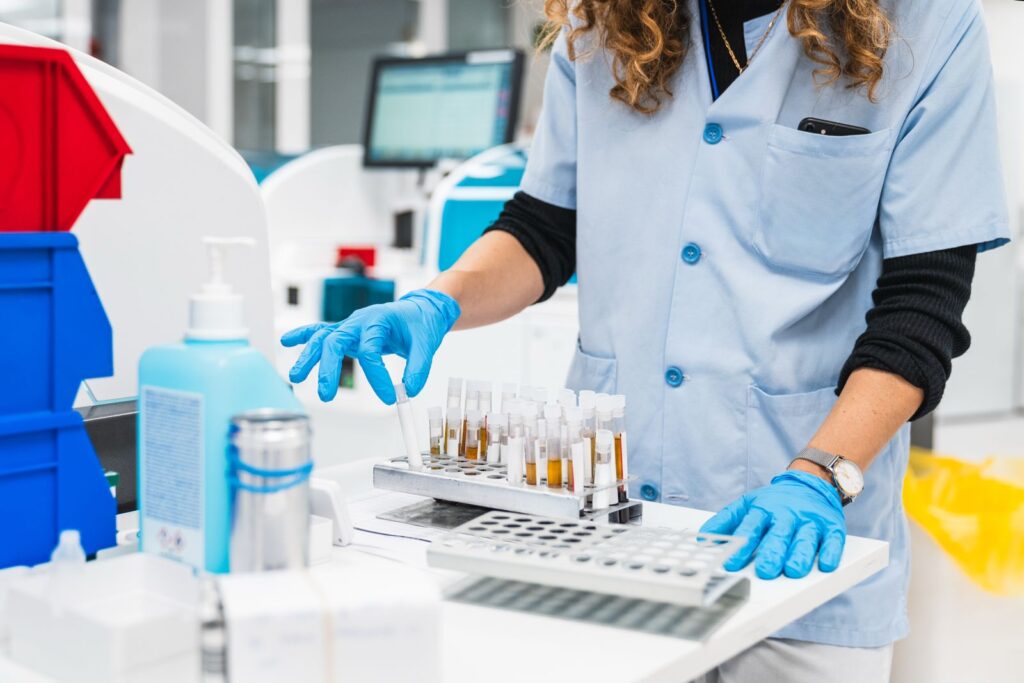
Before starting any therapy, obtain baseline and follow-up labs to track safety and fertility markers. Essential tests include:
- Total testosterone and free testosterone measured in the morning.
- LH and FSH to assess pituitary function.
- Estradiol, SHBG, CBC, hematocrit, and PSA where appropriate.
- Baseline semen analysis processed to WHO standards before treatment and repeated at 3 months if on HCG or after 3-6 months if on TRT alone.
Monitoring schedule example: baseline, then 6-12 weeks for testosterone and labs, semen analysis at 3 months, and then every 3-6 months until stable.
Practical patient journey and timelines
Step 1: Symptom recognition. Typical low-T symptoms include erectile dysfunction, low libido, fatigue, muscle loss, weight gain, and mood changes. Use a symptom checklist and morning testosterone tests to document baseline.
Step 2: Diagnosis and counseling. Discuss fertility goals with your clinician. If you plan to conceive within the next 12-24 months, most specialists recommend fertility-sparing protocols from the start.
Step 3: Baseline testing and sperm banking if immediate conception is planned or prior anabolic steroid use exists. Banking is a safety net and inexpensive relative to the value of preserved fertility.
Step 4: Start therapy with HCG or clomiphene adjuncts. Reassess at 3 months and adjust according to labs and semen analysis. If semen improves, continue; if not, escalate fertility-directed therapy or consult reproductive urology.
Natural strategies that support fertility and TRT effectiveness
Lifestyle changes can improve sperm quality and testosterone naturally and complement medical treatment:
- Lose excess weight through a protein-rich diet and resistance training to raise testosterone and improve sperm.
- Improve sleep – aim for 7-9 hours because sleep raises morning testosterone.
- Limit alcohol, quit smoking, and avoid hot baths or saunas when trying to improve sperm count.
- Optimize vitamin D, zinc, and omega-3 intake after checking levels. Supplements help only when deficient.
When to refer to a specialist
If you have prior anabolic steroid use, varicocele, abnormal baseline LH/FSH, or persistently low sperm counts despite HCG, see a reproductive urologist or male fertility specialist. In California major metro areas like Los Angeles, San Francisco, and San Diego have clinics that combine TRT and fertility services.
Also consult a fertility specialist before making decisions about sperm banking or complex assisted reproductive options such as IVF or ICSI.
Safety considerations and risks
Protecting fertility does not remove the need to monitor TRT safety markers. Watch for increased hematocrit, elevated PSA in older men, and rising estradiol. HCG can cause mood changes and testicular discomfort in some men.
Always discuss drug interactions and medical history with your clinician. Use certified labs and qualified prescribers for injectable medications and HCG to reduce risk of dosing errors or contamination.
Frequently Asked Questions
Can TRT make you infertile?
Yes, standard TRT can suppress LH and FSH and reduce sperm production, which can lead to temporary infertility. However, using HCG or clomiphene with TRT often preserves or restores spermatogenesis in many men.
How does HCG help preserve sperm while on TRT?
HCG mimics LH and stimulates the testes to maintain intratesticular testosterone, which is essential for sperm production. When added to TRT, HCG prevents testicular atrophy and supports spermatogenesis.
Should I bank sperm before starting TRT?
Sperm banking is a wise precaution if you plan to conceive soon or have a history of anabolic steroid use. Banking provides an insurance policy because it is quick, low-risk, and preserves fertility options.
How often should I test semen while on fertility-preserving TRT?
Get a baseline semen analysis before starting therapy, then repeat at about 3 months after initiating HCG or changing TRT, and again every 3-6 months until results stabilize. Adjust protocols based on trends.
Can clomiphene replace TRT when preserving fertility?
Clomiphene stimulates endogenous testosterone by increasing LH and FSH and can be effective for men who want fertility and symptom relief. Some men respond well and avoid exogenous testosterone, but it does not work equally for everyone.
How long does it take for sperm to recover after stopping TRT?
Recovery varies but often occurs within 3-12 months after stopping TRT, with many men seeing improvement by 6 months. Using HCG or clomiphene accelerates recovery in most cases, but severe suppression or prior steroid use can delay recovery.
Conclusion
TRT and fertility do not have to be mutually exclusive. With proactive planning, baseline testing, and the use of HCG or SERMs, you can treat low testosterone symptoms while protecting or restoring your ability to father children. Start by discussing fertility goals with your provider, getting a baseline semen analysis, and choosing a fertility-aware TRT protocol. If you live in California, look for clinics that offer integrated TRT and male fertility services to streamline testing and follow-up.
Takeaway action steps: get baseline labs and semen analysis, consider sperm banking, discuss HCG or clomiphene options, and schedule retesting at 3 months. These steps give you symptom relief while preserving long-term reproductive options.
Disclaimer
This blog is for informational and educational purposes only and does not constitute medical advice, diagnosis, or treatment. The content provided is based on general health information and research available as of the publication date. Individual health conditions vary, and what works for one person may not be appropriate for another.
Always consult with a qualified healthcare provider before starting any new treatment, including testosterone replacement therapy (TRT), making changes to existing treatments, or if you have questions about your specific health condition. Never disregard professional medical advice or delay seeking it because of information you read on this blog.
If you are experiencing a medical emergency, call 911 or your local emergency services immediately. The information on this website does not create a doctor-patient relationship and should not be used as a substitute for professional medical advice, diagnosis, or treatment.