
Low testosterone affects many men in California, presenting as fatigue, low libido, erectile dysfunction, weight gain, muscle loss, and mood changes. If you are considering testosterone replacement therapy, this guide walks you through practical, evidence-informed steps to get safe, effective care through clinics, telemedicine, and local lab services.
We focus on symptom recognition, testing protocols, treatment options including HCG, monitoring, and lifestyle measures that support hormonal health. Read this to learn what to expect at each stage of the patient journey and how to work with a clinician to optimize your results.
Recognizing Symptoms and Preparing for an Evaluation
Start with a clear symptom inventory. Track sleep, libido, erections, energy, muscle strength, and weight for 4-6 weeks to present objective patterns to your provider.
Bring prior lab results and a medication list. Certain medicines, like opioids or chronic glucocorticoids, can lower testosterone and change management choices.
Lab Testing: What to Order and When
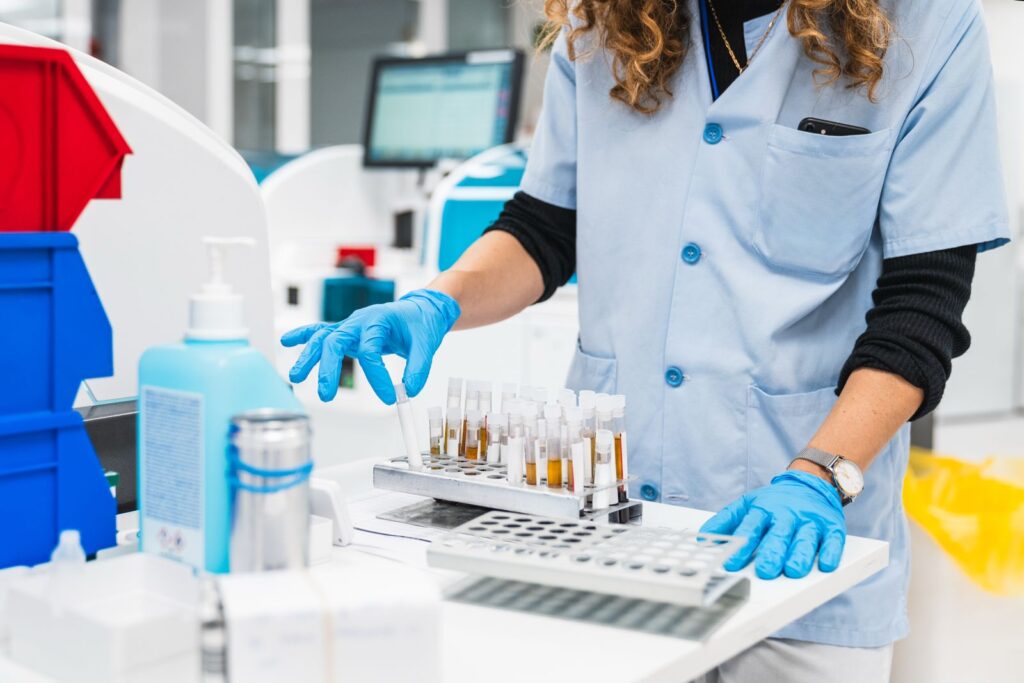
Accurate testing is the foundation of safe TRT. In California, most providers will use established commercial labs such as LabCorp or Quest and may offer mobile phlebotomy for convenience.
Standard baseline tests include:
- Total testosterone (drawn between 7 AM and 10 AM on two different mornings if possible)
- Free testosterone or calculated free testosterone
- Sex hormone binding globulin (SHBG), LH, and FSH to determine primary vs secondary hypogonadism
- Estradiol, prolactin if clinically indicated
- Complete blood count, hematocrit, CMP, lipid panel, and PSA for men over 40
Most clinicians want a confirmed low testosterone on two separate morning tests before initiating therapy. If values sit near the low-normal range, additional testing or lifestyle optimization may be advised first.
Choosing a TRT Protocol
There is no single protocol that fits everyone. Common delivery options are intramuscular injections, transdermal gels, and subcutaneous pellets. Each method has pros and cons related to convenience, cost, and blood-level stability.
- Injections: Testosterone cypionate or enanthate given weekly or split into twice-weekly doses provides predictable serum concentrations. Many men prefer twice-weekly dosing for stable mood and libido.
- Gels: Daily topical therapy provides steady levels but requires attention to transfer-risk and daily compliance.
- Patches and pellets: These are options for select patients but require specific candidacy and follow-up.
Initial dosing is individualized based on baseline labs, symptoms, age, and comorbidities. Your clinician will discuss targets, typically aiming to relieve symptoms while keeping serum testosterone in the mid-normal physiologic range.
HCG Therapy and Fertility Considerations
If you want to preserve or restore fertility, adding human chorionic gonadotropin (HCG) or using selective estrogen receptor modulators may be necessary. HCG mimics LH and stimulates intratesticular testosterone production and spermatogenesis.
Typical HCG regimens used by clinicians include low-dose injections given two to three times per week. Dosing must be prescribed and monitored closely because HCG can raise estradiol and affect mood and fluid balance.
Monitoring and Safe Follow-up
Follow-up is critical. Expect labs at 4-12 weeks after initiation or dose change, then every 3-6 months in the first year, and annually thereafter for stable patients.
Key monitoring points include:
- Serum total and free testosterone to confirm adequacy
- Hematocrit and hemoglobin to detect polycythemia; typical safety threshold is hematocrit less than 52 percent
- PSA and digital rectal exam when indicated, especially in men over 40
- Liver and metabolic panels to watch for metabolic effects
Adjust dosing based on symptoms and labs. If hematocrit rises, options include dose reduction, increased monitoring, therapeutic phlebotomy, or switching to a different delivery method.
Timing Labs With Your Dosing
How you time labs matters. For weekly injections, many clinicians prefer a trough level drawn right before the next dose. For split doses given every 3-4 days, a mid-interval level gives a better picture of average exposure.
For gels, measure at steady-state after at least 2 weeks of consistent application, typically during the morning. Always follow your clinician’s instructions for exact timing.
Integrating Lifestyle and Natural Methods
TRT works best in combination with lifestyle strategies that support endogenous production and overall health. In California, many patients pair medical care with structured fitness and nutrition plans.
- Resistance training: Two to four sessions weekly improves muscle mass and insulin sensitivity.
- Sleep: Aim for 7-9 hours nightly; poor sleep directly lowers testosterone.
- Weight management: Losing 5-10 percent of body weight can significantly raise testosterone in overweight men.
- Optimize vitamin D and zinc if deficient; moderate alcohol and reduce stress through mindfulness or therapy.
Finding a Qualified TRT Provider in California
Look for board-certified endocrinologists, urologists, or primary care physicians with experience in hormone management. Telemedicine clinics are common and can coordinate local labs and imaging for convenience.
When evaluating clinics, ask about:
- Credentials and experience treating hypogonadism
- Standard monitoring protocols and emergency contact
- Fertility preservation strategies if you plan to father children
- Fees, insurance acceptance, and lab partnerships
Major California metro areas such as Los Angeles, San Francisco, San Diego, and Sacramento have concentrated services, but telehealth makes specialized care accessible statewide.
Common Side Effects and How Providers Manage Them
Side effects include acne, hair changes, mood swings, increased hematocrit, and elevated estradiol levels. Serious risks are uncommon when providers follow monitoring protocols.
Management strategies include dose adjustment, adding aromatase inhibitors or adjusting HCG, and using periodic phlebotomy for high hematocrit. Discuss risks and a clear plan before starting therapy.
Cost, Insurance, and Practical Logistics
Insurance coverage varies. Some plans cover diagnostic testing and TRT when clearly indicated, while others decline coverage for certain formulations. Confirm coverage and ask about generic testosterone and clinic payment options.
Plan for ongoing costs: medication, regular labs, and follow-up visits. Many California clinics offer package pricing or telemedicine follow-ups to reduce travel time and expense.
Frequently Asked Questions
How is low testosterone diagnosed?
Low testosterone is diagnosed with both symptoms and laboratory confirmation. Providers typically require two separate morning total testosterone tests and may add free testosterone, SHBG, LH, and FSH to determine the cause.
Will TRT affect my fertility?
Standard testosterone therapy can suppress sperm production and reduce fertility. If you want children, discuss HCG or other fertility-preserving strategies with your clinician before starting TRT.
How long until I notice benefits from TRT?
Many men notice improved energy and libido within 3-6 weeks, while changes in muscle mass and body composition may take 3-6 months. Individual response varies and depends on dosing, delivery method, and concurrent lifestyle changes.
What labs are required while on TRT?
Routine labs include testosterone levels, hematocrit, liver and metabolic panels, lipid profile, and PSA when indicated. Frequency is higher early in treatment and tapers to annual monitoring for stable patients.
Can I use TRT if I have heart disease?
Men with cardiovascular disease need individualized assessment. Providers weigh risks and benefits and may coordinate care with a cardiologist before starting TRT.
Is telemedicine a safe way to start TRT in California?
Yes, telemedicine is widely used and can be safe when paired with local labs and an experienced clinician. Ensure the telemedicine provider has clear monitoring protocols and a plan for in-person care if needed.
Conclusion
Optimizing TRT in California requires clear symptom tracking, accurate labs, personalized treatment selection, and consistent monitoring. By combining medical therapy with lifestyle measures and working with experienced providers, many men regain energy, sexual function, and muscle mass while minimizing risks.
If you suspect low testosterone, start with credible testing and a specialist consultation. A structured plan that addresses fertility goals, delivery method, and long-term monitoring will give you the best chance for safe, sustained improvement.
Disclaimer
This blog is for informational and educational purposes only and does not constitute medical advice, diagnosis, or treatment. The content provided is based on general health information and research available as of the publication date. Individual health conditions vary, and what works for one person may not be appropriate for another.
Always consult with a qualified healthcare provider before starting any new treatment, including testosterone replacement therapy (TRT), making changes to existing treatments, or if you have questions about your specific health condition. Never disregard professional medical advice or delay seeking it because of information you read on this blog.
If you are experiencing a medical emergency, call 911 or your local emergency services immediately. The information on this website does not create a doctor-patient relationship and should not be used as a substitute for professional medical advice, diagnosis, or treatment.