
Low testosterone can quietly steal energy, sex drive, muscle, and mood. Many men in their 40s and 50s assume these changes are just aging, yet targeted evaluation and evidence-based treatment can restore quality of life.
This guide explains how to recognize low testosterone, what tests to order, safe testosterone replacement therapy options, HCG use for fertility, monitoring plans, and practical lifestyle steps you can start today. It also includes California-specific tips for finding licensed care.
Recognizing low testosterone
Symptoms vary, but common complaints include erectile dysfunction, low libido, persistent fatigue, unexplained weight gain, loss of muscle mass, and mood changes like irritability or low motivation. The pattern and severity matter; a sudden decline needs faster evaluation.
Other signs to note are reduced beard growth, decreased energy during workouts, and poorer recovery. If you see several of these, consider screening with labs and a structured assessment.
Self-assessment checklist
Use a short checklist to decide whether to seek testing. If you answer yes to three or more items below, discuss evaluation with your provider.
- Persistent low interest in sex for more than 3 months
- Ongoing fatigue that affects daily tasks
- Noticeable muscle loss despite training
- Unintentional weight gain around the midsection
- Recurrent mood swings or low motivation
You can also complete the ADAM questionnaire during your appointment to document symptom burden.
Diagnostic testing: what to order and when
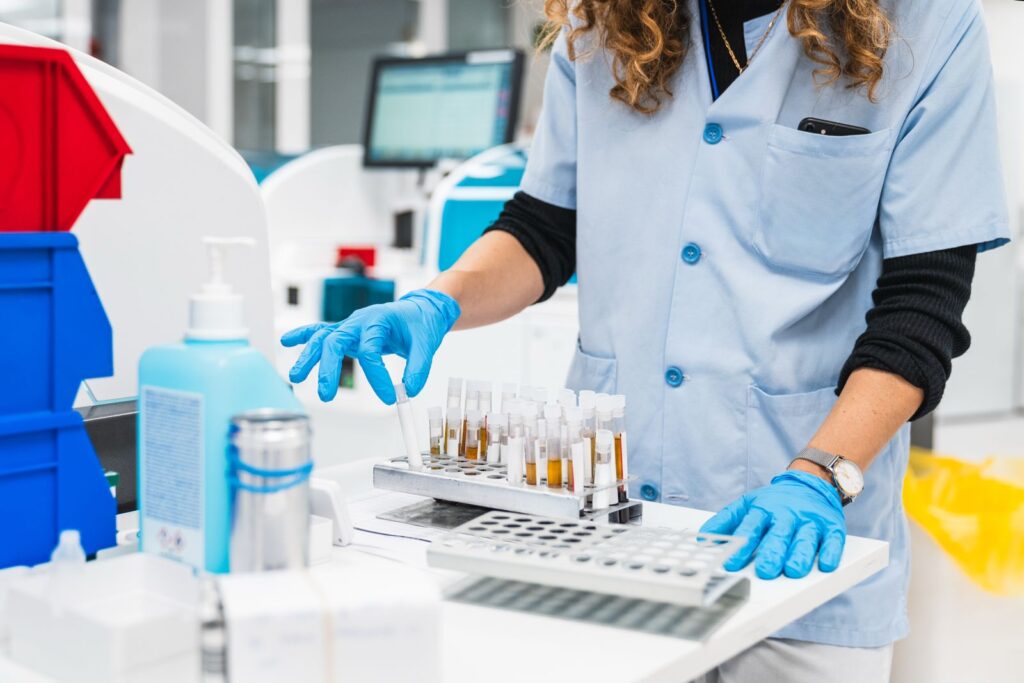
Accurate diagnosis starts with labs drawn correctly. Order total testosterone in the morning, fasting, between 7:00 and 10:00 am, and repeat the test on a separate day to confirm low levels.
Key tests to include:
- Total testosterone (morning) – values below 300 ng/dL are commonly considered low, though clinical context matters
- Free testosterone or calculated free T when SHBG is abnormal
- LH and FSH to distinguish primary versus secondary hypogonadism
- Prolactin if symptoms include galactorrhea or very low testosterone with low LH
- Baseline hematocrit, PSA, liver function, lipids, and metabolic panel
For example, a 52-year-old man with morning total testosterone 240 ng/dL and low LH suggests secondary hypogonadism and prompts evaluation for pituitary causes.
Interpreting results
If total T is borderline (250-350 ng/dL) and symptoms are present, check free testosterone or repeat measurements. Low LH with low testosterone points to central causes; elevated LH with low testosterone suggests testicular failure.
Abnormal baseline labs, such as hematocrit above 50 percent or PSA that is rising quickly, require addressing before starting therapy.
Treatment options and common TRT protocols
Treatment aims to restore testosterone to mid-normal physiologic ranges and relieve symptoms while minimizing risks. Options include injectable testosterone, transdermal gels, nasal formulations, and pellets.
Injectable testosterone
Common regimens are testosterone cypionate or enanthate. Typical dosing examples are 50-200 mg every 1 week or 100-200 mg every 1-2 weeks. Smaller, more frequent doses reduce peaks and troughs and often improve mood and libido stability.
Patients should learn sterile technique, site rotation, and safe storage. Expect dose adjustments based on trough levels and symptoms.
Transdermal and other formulations
Gels commonly deliver 25-100 mg per day and require caution to avoid transfer to partners or children. Nasal gels deliver smaller doses 2-3 times daily and may suit men who prefer noninjection options. Pellet implants provide sustained release every 3-6 months but require in-office minor procedures.
HCG therapy and fertility preservation
Human chorionic gonadotropin (HCG) preserves intratesticular testosterone and sperm production when a man wants to maintain fertility. Typical HCG dosing is 500-1500 IU given 2-3 times per week. For men actively trying to conceive, protocols often combine HCG with selective estrogen receptor modulators or adjust TRT dosing.
Example scenario: A 38-year-old desiring fertility can receive TRT plus HCG at 1000 IU three times weekly instead of high-dose testosterone alone to reduce the risk of sperm suppression.
Clomiphene and alternatives
Clomiphene citrate 25-50 mg daily is an oral option for men with secondary hypogonadism who want to avoid exogenous testosterone. It stimulates endogenous LH and FSH and often improves testosterone while preserving fertility.
Monitoring and safety
Safety monitoring reduces risks and ensures therapy effectiveness. Standard schedules include checking labs at baseline, then at 3 months after starting or changing dose, at 6 months, and annually thereafter.
Monitor the following:
- Hematocrit – stop or reduce dose if above 54 percent
- Testosterone trough level – target mid-normal range
- PSA and digital rectal examination per urologist guidance
- Liver enzymes, lipids, and metabolic health
Address sleep apnea, uncontrolled heart disease, and active prostate cancer before initiating TRT. If hematocrit rises, reduce dose or increase phlebotomy frequency per your clinician.
Natural and lifestyle measures to boost testosterone
Lifestyle changes complement medical therapy and sometimes improve levels without drugs. Key interventions include resistance training, high-protein meals, and losing excess fat.
Actionable steps:
- Strength training 3 times per week with progressive overload
- Aim for 7-9 hours of sleep nightly to support hormone recovery
- Correct vitamin D deficiency with 1000-4000 IU daily based on labs
- Limit excessive alcohol and avoid illicit opioids
- Manage stress with mindfulness or structured counseling
These interventions often produce modest increases in testosterone and improve well-being even before medical therapy begins.
What to expect during therapy
Patients typically notice energy and mood improvements within 2-4 weeks, libido improvements in 3-6 weeks, and measurable increases in muscle mass and strength in 8-12 weeks. Full benefit may take 6-12 months.
Set realistic goals with your provider, document symptom changes, and keep a simple symptom diary. If expected improvements do not occur, reassess dosing, compliance, and potential causes of treatment failure.
Finding care in California
California has many licensed endocrinologists, urologists, and men’s health clinics offering TRT. Use state medical board resources to verify licensing and search for clinics providing hormonal evaluation, on-site blood draws, and fertility-preserving protocols.
Consider clinics that offer telemedicine follow-ups for stable patients, but ensure in-person baseline evaluation and labs are accessible. Ask clinics about HCG experience, local injection training, and follow-up plans for hematocrit and PSA monitoring.
Frequently Asked Questions
What is a normal testosterone level for men?
Normal total testosterone varies by lab, but many guidelines use roughly 300-1000 ng/dL as a reference range. Clinicians focus on symptoms plus lab values rather than a single number, and free testosterone helps when SHBG is abnormal.
Does TRT cause infertility?
Exogenous testosterone can suppress sperm production and lower fertility. To preserve fertility, clinicians add HCG or use alternatives like clomiphene that stimulate endogenous hormones.
How long does it take to feel the effects of TRT?
Energy and mood can improve in 2-4 weeks, libido in 3-6 weeks, and muscle changes in 8-12 weeks. Individual response varies, and full effects often take 6-12 months.
Can I get TRT in California with telemedicine?
Yes, many California clinics offer initial telemedicine visits, but they require in-person lab testing before starting therapy. Verify the provider is licensed in California and that they offer local lab orders and reliable follow-up care.
What are the main risks of TRT?
Common risks include increased hematocrit, acne, and reduced sperm count. Less common concerns involve prostate monitoring and potential sleep apnea worsening, so regular lab checks and clinical follow-up are essential.
How often should labs be checked on TRT?
Check testosterone and hematocrit at 3 months, then at 6 months, and annually once stable. Check PSA and metabolic labs at baseline and periodically per your clinician’s guidance.
Conclusion
Low testosterone is a treatable condition that requires careful diagnosis, individualized therapy, and ongoing monitoring. Combine medical options like TRT and HCG with lifestyle changes for the best results. If you live in California, choose a licensed clinician who documents baseline labs, explains fertility options, and provides structured follow-up to keep you safe and improve your quality of life.
Disclaimer
This blog is for informational and educational purposes only and does not constitute medical advice, diagnosis, or treatment. The content provided is based on general health information and research available as of the publication date. Individual health conditions vary, and what works for one person may not be appropriate for another.
Always consult with a qualified healthcare provider before starting any new treatment, including testosterone replacement therapy (TRT), making changes to existing treatments, or if you have questions about your specific health condition. Never disregard professional medical advice or delay seeking it because of information you read on this blog.
If you are experiencing a medical emergency, call 911 or your local emergency services immediately. The information on this website does not create a doctor-patient relationship and should not be used as a substitute for professional medical advice, diagnosis, or treatment.