
Many men in California notice slow declines in energy, libido, and muscle mass as they age. These changes can feel confusing and personal, but low testosterone is a treatable medical condition when properly diagnosed and managed.
This guide walks California patients through symptom recognition, diagnostic testing, treatment options including TRT and HCG therapy, and safe monitoring. You will find actionable steps, example protocols, and specific lab targets so you can discuss care confidently with your provider.
Recognizing Low Testosterone Symptoms
Low testosterone often appears as a cluster of symptoms rather than a single problem. Common complaints include erectile dysfunction, reduced libido, fatigue, increased body fat, decreased muscle strength, and mood changes such as irritability or low motivation.
Use a short self-check: score one point for each of these symptoms present over several months – low libido, poor erections, persistent fatigue, weight gain, muscle loss, depressed mood. A score of 3 or more suggests medical evaluation is warranted. This simple tool helps prioritize a visit to a clinician for lab testing.
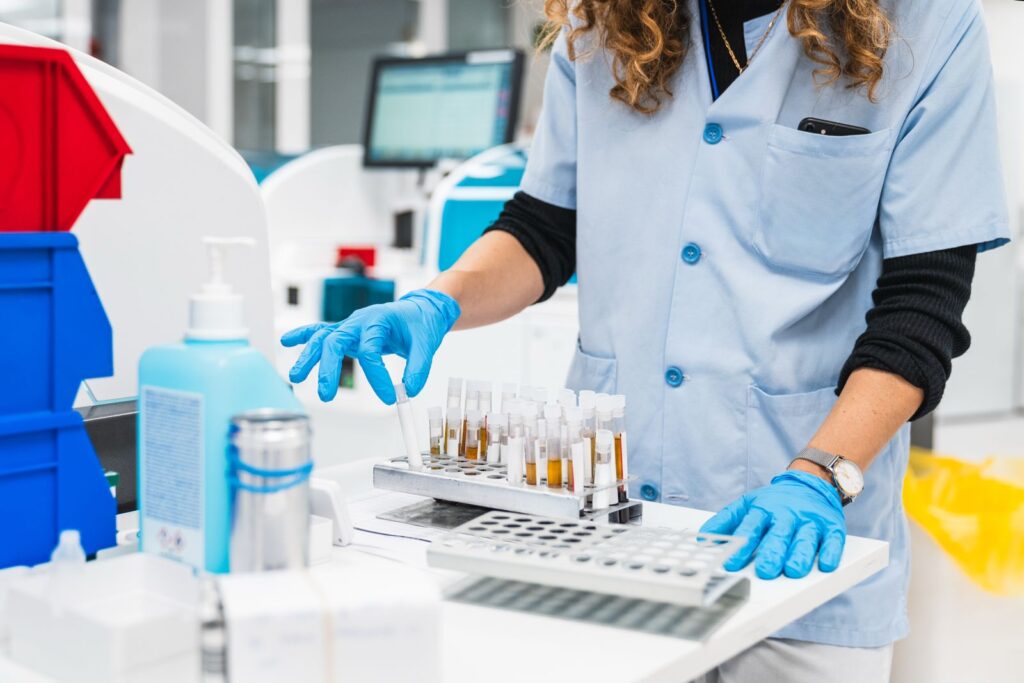
Diagnostic Labs: What to Order and Why
Accurate diagnosis hinges on morning labs and a comprehensive panel. Order tests between 7 and 10 AM for reliable testosterone values. Repeat abnormal tests on a separate day before concluding low testosterone.
Essential tests include:
- Total testosterone (target range on TRT: 400-800 ng/dL)
- Free testosterone or calculated free testosterone
- LH and FSH to evaluate primary versus secondary hypogonadism
- Prolactin and TSH if secondary causes suspected
- Estradiol to monitor aromatization risk
- Hematocrit and hemoglobin for polycythemia screening
- PSA baseline and annual monitoring if over 40 or with risk factors
Typical actionable thresholds: total testosterone consistently under 300 ng/dL with relevant symptoms indicates likely testosterone deficiency. Hematocrit above 52 to 54 percent requires dose adjustment or temporary cessation of TRT.
TRT Protocol Options and Practical Examples
There is no one-size-fits-all TRT plan. Choose a route based on lifestyle, fertility goals, and side effect tolerance. Common modalities include injections, gels, pellets, and subcutaneous microdosing.
Example injection protocols:
- Intramuscular: 100 mg testosterone cypionate every 7 days, or 200 mg every 14 days. Monitor trough levels and adjust to keep T between 400 and 800 ng/dL.
- Subcutaneous: 30 to 50 mg twice weekly can provide stable levels with fewer peaks and troughs and easier self-administration.
Topical options: 40 to 60 mg gel daily applied to shoulders or abdomen, with attention to wash hands and avoid skin transfer to partners or children.
Pellets are implanted every 3 to 6 months by a trained clinician and offer steady release but less dose flexibility.
HCG Therapy and Fertility Preservation
If you want to preserve fertility while treating symptoms, add human chorionic gonadotropin (HCG). HCG maintains intratesticular testosterone and spermatogenesis by stimulating LH receptors in the testes.
Typical HCG dosing is 250 to 500 IU injected subcutaneously 2 to 3 times per week. For men actively trying to conceive, combine HCG with selective estrogen modulators such as clomiphene under specialist supervision. Discuss sperm analysis and fertility timelines with a urologist or reproductive endocrinologist.
Monitoring Schedule and Safety Considerations
After starting TRT, follow a clear monitoring schedule: check labs at 6 to 12 weeks, then every 3 to 6 months for the first year, and annually thereafter. Key labs include total testosterone, hematocrit, estradiol, PSA, and liver function as clinically indicated.
Stop or adjust therapy if hematocrit exceeds 54 percent, if PSA rises suspiciously, or if new cardiovascular symptoms occur. Discuss risks and benefits with your clinician, especially if you have uncontrolled heart disease.
Natural Strategies to Boost Testosterone
While TRT is the most direct medical option for symptomatic men with low labs, lifestyle changes improve outcomes and often reduce required dosing. Effective measures include:
- Strength training 3 times per week to stimulate muscle-driven testosterone response
- Sleep optimization with 7 to 9 hours nightly to preserve nightly testosterone peaks
- Weight loss for men with obesity; a 5 to 10 percent weight loss can materially raise testosterone
- Vitamin D supplementation if deficient, often 1000 to 4000 IU daily guided by blood levels
- Zinc and magnesium repletion when deficient
- Limit alcohol and opioids which suppress testosterone
These interventions complement medical therapy and improve energy, mood, and body composition.
How to Find a Quality TRT Provider in California
Look for board-certified urologists, endocrinologists, or primary care doctors with focused TRT experience. California permits telemedicine; many reputable clinics provide remote consultations paired with local lab draws at LabCorp or Quest Diagnostics.
Questions to ask potential providers: Do you treat fertility concerns? What lab panel and monitoring schedule do you use? Are injection trainings provided? Confirm that the clinic documents informed consent and discusses risks such as polycythemia and potential fertility effects.
Insurance, Cost, and Practical Steps
TRT coverage varies. Some insurers cover injectable and topical formulations when labs confirm deficiency, while compounded therapies often require out-of-pocket payment. Expect initial consultation and baseline labs to range widely depending on clinic and testing choices.
Practical first steps: 1) complete the symptom checklist and capture a morning testosterone lab; 2) schedule a consultation with a qualified California provider; 3) discuss fertility goals and whether HCG or clomiphene is needed; 4) start with conservative dosing and a clear monitoring plan.
Real Patient Example
Case example: a 48-year-old man in Los Angeles reported low energy and poor erections. Morning labs showed total T 240 ng/dL and hematocrit 45 percent. His provider started subcutaneous testosterone 40 mg twice weekly plus HCG 250 IU twice weekly to preserve fertility. At 3 months his T rose to 520 ng/dL, energy improved, and hematocrit remained stable at 47 percent. This illustrates measured dosing, fertility preservation, and close monitoring.
Frequently Asked Questions
How is low testosterone diagnosed?
Low testosterone is diagnosed with consistent morning total testosterone values below roughly 300 ng/dL plus clinical symptoms. Providers order repeat labs and additional tests such as LH, FSH, and prolactin to determine cause.
Will TRT make me infertile?
Exogenous testosterone can suppress sperm production by lowering intratesticular testosterone. Using HCG or clomiphene alongside TRT preserves fertility in many men and should be discussed before starting therapy.
What are safe testosterone target levels on therapy?
Most clinicians aim for total testosterone in a mid-normal range, typically 400 to 800 ng/dL. Individual targets depend on symptoms, age, and comorbidities and require lab monitoring to guide dosing.
How often should labs be checked on TRT?
Check labs at 6 to 12 weeks after initiation, then every 3 to 6 months during the first year, and at least annually after stability. Regular monitoring focuses on testosterone, hematocrit, estradiol, and PSA as appropriate.
Can I use TRT if I have heart disease?
Men with cardiovascular disease need individualized risk-benefit discussions. Recent evidence is mixed, so work with a cardiologist and prescribing clinician to monitor symptoms and safety closely.
Are natural methods effective enough to avoid TRT?
Lifestyle changes such as weight loss, resistance training, improved sleep, and correcting vitamin deficiencies can raise testosterone modestly and improve symptoms. However, men with significantly low labs typically require TRT for meaningful symptom relief.
Low testosterone is a medical condition that responds well to careful diagnosis and a tailored treatment plan. In California, you can access telemedicine and local labs to begin evaluation quickly. Use the symptom checklist, gather morning labs, and choose a provider who discusses fertility, monitoring, and safety. With the right approach you can restore energy, libido, and muscle mass while minimizing risks.
Disclaimer
This blog is for informational and educational purposes only and does not constitute medical advice, diagnosis, or treatment. The content provided is based on general health information and research available as of the publication date. Individual health conditions vary, and what works for one person may not be appropriate for another.
Always consult with a qualified healthcare provider before starting any new treatment, including testosterone replacement therapy (TRT), making changes to existing treatments, or if you have questions about your specific health condition. Never disregard professional medical advice or delay seeking it because of information you read on this blog.
If you are experiencing a medical emergency, call 911 or your local emergency services immediately. The information on this website does not create a doctor-patient relationship and should not be used as a substitute for professional medical advice, diagnosis, or treatment.