
Many men over 45 notice persistent fatigue, low libido, and muscle loss that do not respond to rest or exercise. These symptoms can point to low testosterone, a treatable condition when diagnosed correctly. Understanding how Testosterone Replacement Therapy, or TRT, fits into a balanced plan helps you regain energy and sexual health while protecting long-term safety.
This guide explains when to consider TRT after 45, how clinicians confirm low testosterone, common treatment protocols, the role of HCG for fertility, monitoring lab tests, and practical lifestyle steps you can use now. It includes California-specific tips for lab testing and finding qualified providers, plus an actionable plan you can follow on your first clinic visit.
Recognize the Symptoms and When to Act
Low testosterone presents with a cluster of symptoms: erectile dysfunction, reduced libido, fatigue, weight gain, muscle loss, and mood changes. One or two isolated issues may have other causes, but when several appear together for more than 3 months, testing is warranted.
Example: a 48-year-old man who reports falling asleep early, losing 8 pounds of muscle despite gym training, and reduced morning erections should have blood tests before making conclusions. Early evaluation prevents unnecessary delays and targets the right therapy.
Essential Lab Testing: What to Order and When
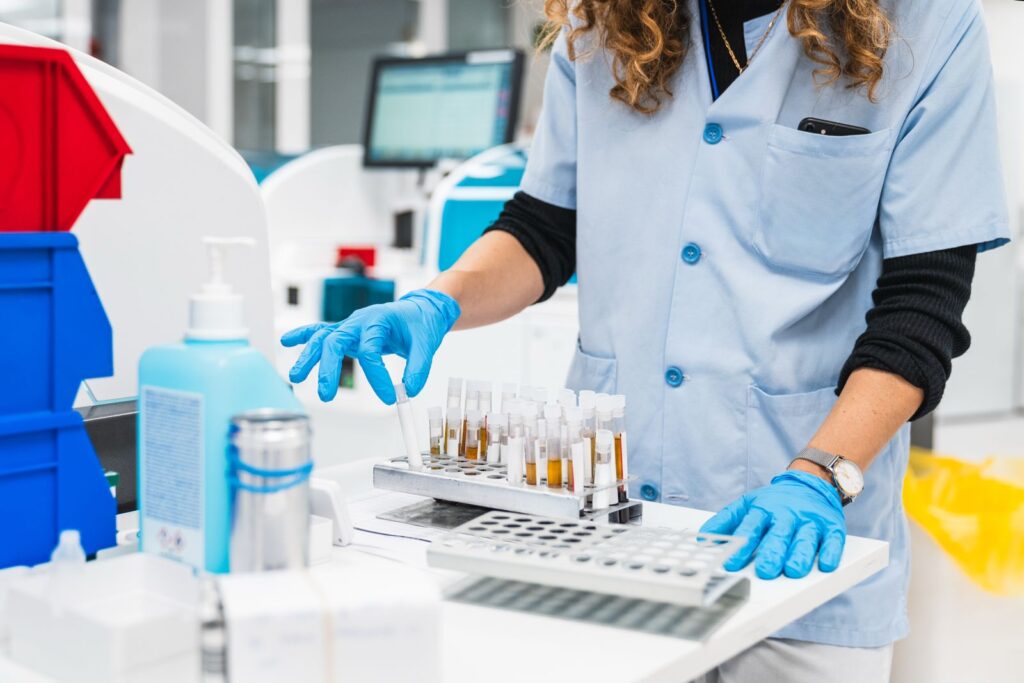
A correct diagnosis relies on fasting morning labs collected between 7 and 10 AM on two separate days if possible. Primary tests include:
- Total testosterone – baseline measure
- Free testosterone or calculated free testosterone – for those with abnormal SHBG
- Sex hormone binding globulin (SHBG)
- Luteinizing hormone (LH) and follicle-stimulating hormone (FSH) – to distinguish primary from secondary hypogonadism
- Estradiol, CBC, PSA, and comprehensive metabolic panel – safety and side effect baseline
In California you can use major labs like Quest Diagnostics or LabCorp for reliable testing. Many clinics offer orders through telemedicine and schedule morning draws at partner locations.
Interpreting Results and Deciding on Treatment
There is no universal cutoff, but most clinicians consider total testosterone less than 300 ng/dL with symptoms as a threshold for trial therapy. Free testosterone and symptoms refine the decision. Discuss goals and fertility desires before starting therapy.
Example decision: if total testosterone is 280 ng/dL and LH is low-normal, plus symptoms are significant, a supervised TRT trial with careful monitoring is reasonable.
Common TRT Protocols and Dosing
TRT comes in several delivery forms. The most commonly used and controllable are intramuscular injections and transdermal gels.
- Intramuscular injections – Testosterone cypionate or enanthate, often dosed at 50-100 mg twice weekly, or 100-200 mg once weekly split into two doses to avoid peak-trough effects.
- Topical gels – Daily application with dose adjustments based on levels and skin transfer precautions.
- Nasals and pellets – Alternative options; pellets require minor office procedures and offer steady delivery.
Choosing a protocol depends on lifestyle, cost, convenience, and how rapidly you want results. Injections provide predictable control and are often preferred for initial titration.
HCG Therapy: Preserve Fertility and Testicular Size
Human chorionic gonadotropin, or HCG, mimics LH and stimulates the testes to produce testosterone and sperm. It is used when fertility or testicular preservation matters.
Typical dosing is 250 IU every other day or 500 IU 2-3 times weekly, adjusted to response. If having children is a goal within the next few years, discuss HCG or alternative approaches like selective use of clomiphene citrate with your clinician.
Monitoring, Safety, and Side Effects
Monitoring is essential. Expect a baseline and follow-up labs at 4-8 weeks after starting or changing dose, then every 3 months for the first year, then every 6-12 months.
- Hematocrit – monitor for polycythemia; maintain hematocrit under 54 percent
- PSA – baseline and periodic checks for prostate safety in men over 45
- Liver and metabolic tests – baseline metabolic panel and periodic checks
- Estradiol – treatable with dose adjustment or anastrozole if elevated and symptomatic
Common side effects include increased hematocrit, acne, fluid retention, and potential sleep apnea worsening. If symptoms or labs indicate risk, your clinician will adjust dose or pause therapy.
Natural Strategies That Complement TRT
TRT is not an alternative to healthy living. Lifestyle measures amplify benefits and may reduce required dose.
- Resistance training – 3 sessions per week increases muscle mass and sensitivity to testosterone.
- Protein and calorie timing – maintain lean mass and avoid excess simple carbohydrates that promote fat gain.
- Sleep and stress management – aim for 7-8 hours per night and practice relaxation; poor sleep lowers testosterone.
- Weight loss – losing 5-10 percent body weight can significantly raise natural testosterone in obese men.
Use these steps alongside medical therapy for best outcomes.
Finding a Qualified TRT Provider in California
Look for board-certified primary care doctors, urologists, or endocrinologists with experience in male hormone care. Verify state medical license and patient reviews. Clinics that integrate telemedicine with in-person lab partners make ongoing monitoring easier.
Ask prospective clinics about their protocol for labs, emergency contact for side effects, and whether they offer fertility-preserving options like HCG. A transparent clinic will provide a written treatment plan and monitoring schedule.
Action Plan: What to Do on Your First Visit
- Bring a symptom checklist listing energy, libido, sleep, mood, and strength changes over the past 6-12 months.
- Request morning fasting labs and a second confirmatory testosterone measurement if the first is low.
- Discuss fertility goals and whether HCG or sperm banking is appropriate.
- Set expectations: initial benefits may appear in 2-6 weeks, with full effects in 3-6 months.
- Agree on a monitoring plan for hematocrit, PSA, estradiol, and metabolic labs.
This roadmap helps you move from symptom recognition to a safe, monitored therapy plan. With proper testing, tailored dosing, and lifestyle changes, many men experience restored energy, improved sexual function, and regained muscle mass.
Frequently Asked Questions
What are normal testosterone levels for men over 45?
Normal ranges vary by lab, but total testosterone above 300 ng/dL is commonly considered normal for adult men. Clinicians interpret levels with symptoms, free testosterone, and SHBG values for men over 45.
How long does it take to feel benefits from TRT?
Many men notice improved energy and libido within 2-6 weeks; muscle gains and mood changes typically continue to improve over 3-6 months. Individual response depends on dose, delivery method, and baseline health.
Will TRT affect my fertility?
Standard TRT can suppress sperm production and reduce fertility because it lowers LH and FSH. If you want children, discuss HCG or alternative treatments with your clinician before starting therapy.
Do I need HCG while on TRT?
HCG is not required for every man, but it preserves testicular function and sperm production for those who care about fertility. Providers often add HCG when fertility or preventing testicular shrinkage is a priority.
How often should labs be checked once I start TRT?
Expect a check at 4-8 weeks after starting or adjusting dose, then every 3 months for the first year, then every 6-12 months for ongoing safety and dose optimization.
Can lifestyle changes increase testosterone without therapy?
Yes. Weight loss, resistance training, improved sleep, and stress reduction can raise natural testosterone levels and improve symptoms. These measures work best combined with medical treatment when levels are significantly low.
Where in California can I get reliable TRT care and lab testing?
Major lab networks like Quest and LabCorp serve California for morning draws, and many licensed clinics offer telemedicine plus local lab partnerships. Choose board-certified providers who offer clear monitoring plans and fertility options.
Disclaimer
This blog is for informational and educational purposes only and does not constitute medical advice, diagnosis, or treatment. The content provided is based on general health information and research available as of the publication date. Individual health conditions vary, and what works for one person may not be appropriate for another.
Always consult with a qualified healthcare provider before starting any new treatment, including testosterone replacement therapy (TRT), making changes to existing treatments, or if you have questions about your specific health condition. Never disregard professional medical advice or delay seeking it because of information you read on this blog.
If you are experiencing a medical emergency, call 911 or your local emergency services immediately. The information on this website does not create a doctor-patient relationship and should not be used as a substitute for professional medical advice, diagnosis, or treatment.