

Many men who work long hours ignore low testosterone symptoms until they affect relationships, energy, and performance. If you are juggling career demands, family, and health, you still can diagnose and treat low testosterone without disrupting your routine.
This guide explains what to watch for, how to get accurate testing, practical lifestyle changes you can implement immediately, and how modern TRT protocols fit into a busy life. It includes fertility-preserving options like HCG, lab timelines, examples, and California clinic resources.
Recognize the real symptoms
Low testosterone does not always show as one dramatic change. Common signs include erectile dysfunction, decreased libido, fatigue, unexplained weight gain, muscle loss, and mood changes. Track symptoms for 4-8 weeks and use a simple symptom checklist to discuss with your clinician.
Example: a 42-year-old project manager who reports 4 months of low energy, 10 pounds weight gain, and a 30-40 percent drop in libido likely needs testing. Document sleep patterns, work stress, and medications that affect hormones, such as opioids or corticosteroids.
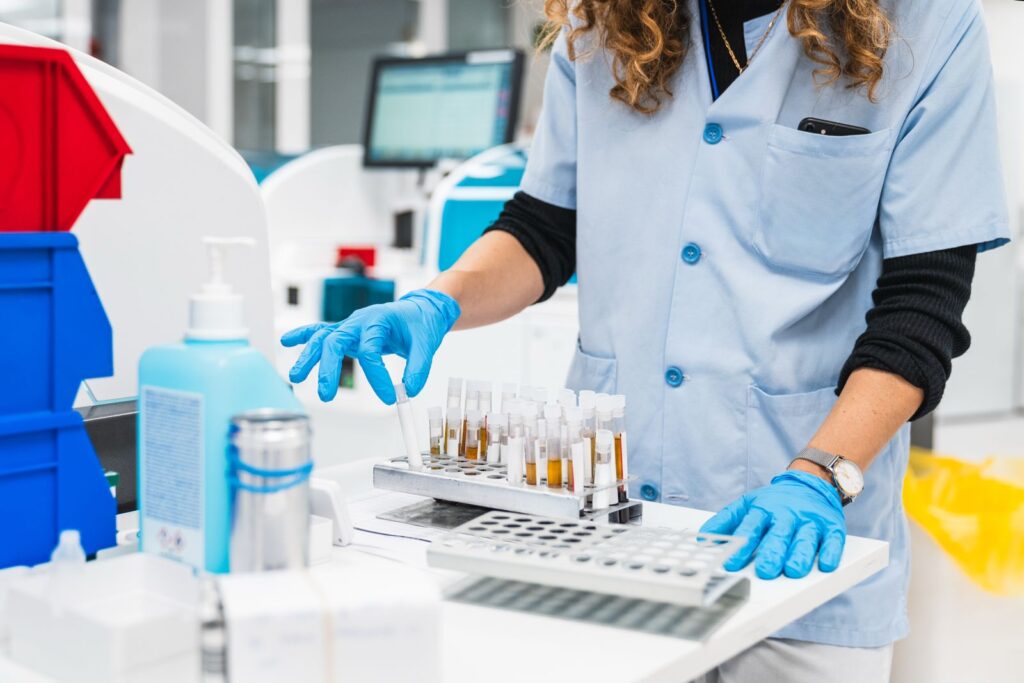
Get the right lab testing and timing
Accurate diagnosis starts with the correct labs and proper timing. Testosterone has a diurnal rhythm in many men, so early morning labs are standard when feasible.
Order a comprehensive panel: total testosterone, free testosterone or calculated free testosterone, sex hormone binding globulin (SHBG), luteinizing hormone (LH), follicle-stimulating hormone (FSH), estradiol, hematocrit, PSA, and a basic metabolic panel. Add fasting glucose and lipid panel when cardiometabolic risk is a concern.
Follow-up schedule: baseline labs, then recheck at 6-8 weeks after starting therapy or lifestyle changes, and thereafter every 3-6 months while stable. Adjust frequency if hematocrit rises or symptoms change.
Immediate lifestyle actions for busy men
Small, focused changes can raise testosterone and improve energy without a major time investment. Prioritize sleep, nutrition, and resistance training.
- Sleep: Aim for 6.5-8 hours nightly. Even two consistent nights of 7 hours improves testosterone compared with fragmented sleep.
- Strength training: Two 30-45 minute resistance sessions per week using compound lifts increases muscle mass and testosterone.
- Nutrition: Eat a protein-focused breakfast, include healthy fats, and avoid chronic calorie restriction. Vitamin D and zinc deficiencies are common contributors; check levels and supplement as needed.
- Stress management: Short breathing exercises, a 10-minute walk at lunch, or evening screen curfews help lower cortisol and support hormonal balance.
When to consider medical treatment
If symptoms persist despite lifestyle changes and labs confirm low testosterone, medical therapy is reasonable. Discuss risks and benefits with a qualified clinician who uses evidence-based protocols.
Common TRT delivery methods include intramuscular injections, transdermal gels or creams, and less commonly subcutaneous pellets. Each option has pros and cons related to convenience, cost, absorption variability, and monitoring needs.
Typical protocol examples
- Injectable testosterone: Many clinics use testosterone cypionate or enanthate at typical starting ranges of 50-200 mg per week, adjusted by symptoms and levels. Clinicians often split doses weekly or every 3-7 days to avoid peaks and troughs.
- Topical gels: Applied daily with steady-state levels but require caution around skin-to-skin transfer and may need higher monitoring frequency.
- Pellets: Implanted every 3-6 months; useful for men who prefer fewer administrations but require office procedures and can complicate dose adjustments.
These are general examples. A clinician will tailor dose and route to your goals, age, and comorbidity profile.
HCG therapy and fertility preservation
If preserving fertility or testicular size is a priority, discuss human chorionic gonadotropin (HCG) with your provider. HCG stimulates intratesticular testosterone production and can be used alone for some men or combined with TRT to maintain spermatogenesis.
Typical HCG regimens in clinical practice range from 250-1000 IU two to three times per week, depending on goals. For men planning pregnancy, a referral to a reproductive urologist or endocrinologist is appropriate for tailored protocols and semen analysis monitoring.
Monitoring, side effects, and safety
Safety monitoring is essential and fits into busy schedules if planned. Key parameters include hematocrit, estradiol, PSA, and symptom review. Hematocrit can rise on TRT and may require dose adjustment or therapeutic phlebotomy when above 54 percent.
Estrogenic symptoms such as breast tenderness may respond to dose adjustment or aromatase management rather than routine anti-estrogen drugs. Discuss cardiovascular risk transparently; modern data support individualized assessment rather than blanket contraindications.
Practical plan for a busy week
Create a 7-day plan that minimizes disruption while ensuring effective treatment and monitoring.
- Day 1: Book morning labs and symptom review with your clinician; bring a symptom log and medication list.
- Week 1-2: Implement sleep and two short resistance workouts. Start Vitamin D if deficient as advised.
- If starting TRT: plan administration method around your schedule. For injections, many men do a Friday evening injection then schedule a clinic follow-up at 6-8 weeks.
- Ongoing: set calendar reminders for labs every 3-6 months and a quarterly symptom check-in. Use telemedicine visits when available.
Finding care in California and telemedicine options
California has many clinics specializing in TRT, from large academic centers in San Francisco and Los Angeles to private clinics in San Diego and Sacramento. Look for clinics that provide baseline endocrine evaluation, on-site lab partnerships, and clear monitoring protocols.
Telemedicine is suitable for initial consults, symptom reviews, and some follow-ups. However, initial labs and some hands-on assessments still require local lab draws and occasional in-person visits for injections or pellet placements.
Case example: a commuter executive
Mark, 48, commutes 90 minutes daily and had progressive fatigue and low libido. He completed early-morning labs, started two weekly 30-minute resistance sessions, corrected Vitamin D deficiency, and after 8 weeks still had low morning testosterone. He began supervised TRT via split weekly injections and added low-dose HCG to preserve fertility. At 3 months his energy and libido returned, hematocrit and estradiol were stable, and he maintained a twice-monthly telemedicine check-in with his clinic.
When to seek specialist referral
Refer to an endocrinologist or reproductive urologist if you have abnormal pituitary tests (low LH with low testosterone), a desire for fertility, unexplained high PSA, or if you fail to respond to standard TRT. Complex cases benefit from multidisciplinary input.
Frequently Asked Questions
What are the first symptoms that suggest low testosterone?
Early warning signs include decreased libido, erectile changes, persistent fatigue, and unexplained loss of muscle mass. Mood changes and increased body fat often appear later but can be part of the initial presentation.
How are testosterone levels tested and when should labs be drawn?
Standard testing includes morning total testosterone plus free testosterone or calculated free testosterone, SHBG, and gonadotropins. Aim for early morning blood draws and repeat an abnormal test on a separate day to confirm low values.
Can lifestyle changes alone fix low testosterone?
For many men with mild declines, targeted changes in sleep, resistance training, and nutrition can significantly improve levels and symptoms. Men with persistent symptoms or markedly low labs generally need medical therapy in addition to lifestyle measures.
Is HCG necessary when starting TRT if I want children later?
HCG helps maintain intratesticular testosterone and can preserve spermatogenesis when used with TRT. Men actively trying for pregnancy should consult a reproductive specialist for semen monitoring and personalized dosing.
What monitoring is required after starting TRT?
Typical monitoring includes rechecking testosterone at 6-8 weeks, then every 3-6 months for the first year, with hematocrit, estradiol, and PSA assessments. More frequent checks are needed if side effects develop or if hematocrit rises.
Can I use telemedicine for TRT management?
Yes, many clinics offer telemedicine for initial consults and routine follow-ups, but you will still need local lab draws and occasional in-person procedures. Telemedicine works well for busy schedules and for ongoing symptom management.
Conclusion
Managing low testosterone while maintaining a demanding schedule is achievable with a structured plan. Start with accurate early-morning testing, implement time-efficient lifestyle changes, and discuss evidence-based TRT options if labs confirm deficiency. Consider HCG when fertility is a concern and use scheduled monitoring to keep therapy safe and effective.
If you live in California, choose a clinic that offers comprehensive testing, clear monitoring protocols, and convenient telemedicine options to minimize time away from work. A tailored, stepwise approach helps restore energy, libido, and muscle while fitting into a busy life.
Disclaimer
This blog is for informational and educational purposes only and does not constitute medical advice, diagnosis, or treatment. The content provided is based on general health information and research available as of the publication date. Individual health conditions vary, and what works for one person may not be appropriate for another.
Always consult with a qualified healthcare provider before starting any new treatment, including testosterone replacement therapy (TRT), making changes to existing treatments, or if you have questions about your specific health condition. Never disregard professional medical advice or delay seeking it because of information you read on this blog.
If you are experiencing a medical emergency, call 911 or your local emergency services immediately. The information on this website does not create a doctor-patient relationship and should not be used as a substitute for professional medical advice, diagnosis, or treatment.