

Low testosterone affects many men as they age and can cause fatigue, low libido, erectile dysfunction, muscle loss, weight gain, and mood changes. Understanding when symptoms are clinically significant and how to evaluate hormone levels is the first step toward improvement. This guide explains clear diagnostic steps, treatment options including TRT and HCG, natural approaches, and what to expect during the patient journey in California.
If you suspect low testosterone, you need actionable next steps: which labs to order, how to prepare for tests, and how to discuss options with a licensed provider. Below I provide specific protocols, monitoring schedules, dosage examples, and practical lifestyle changes that can meaningfully improve energy and sexual function.
This resource is focused on patient education and safety, with details tailored for men in California seeking in-person or telemedicine care. Use it to self-assess symptoms, prepare for visits, and weigh the benefits and risks of therapy with real-world examples.
Recognizing Symptoms and Doing a Self-Assessment
Start by listing your top symptoms and rating their impact on daily life. Common warning signs include persistent low energy, decreased morning erections, reduced sexual desire, difficulty building muscle despite training, unexplained weight gain around the midsection, and mood shifts such as increased irritability.
Use a simple checklist to guide the clinical conversation. If you report 3 or more moderate-to-severe symptoms and your basic screening labs show low testosterone, further evaluation is warranted.
Essential Lab Testing and How to Prepare
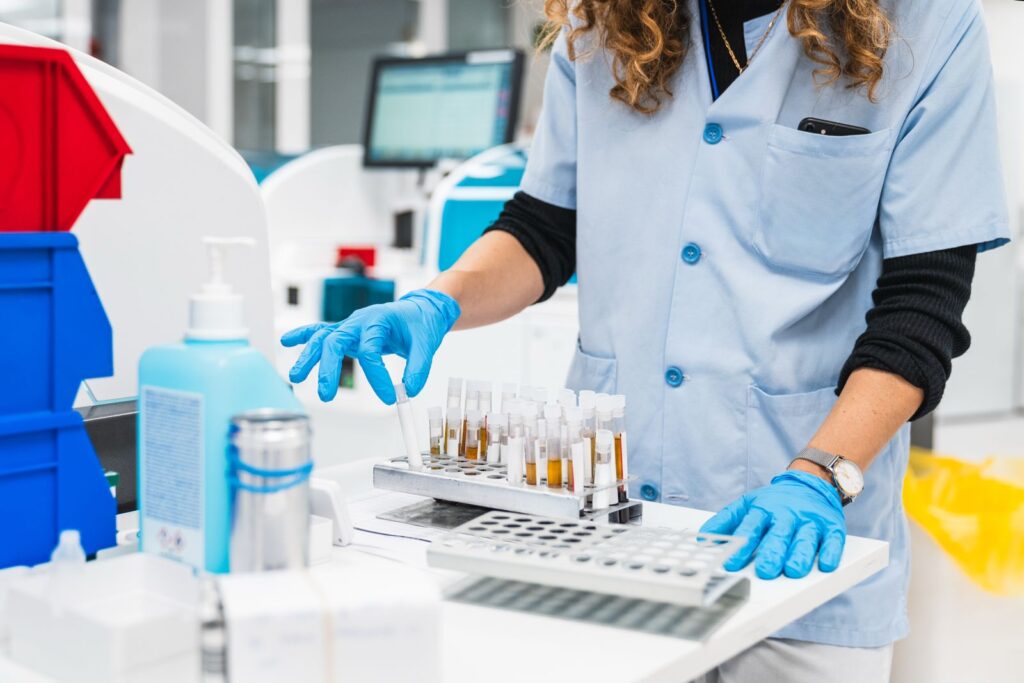
Accurate testing avoids misdiagnosis. Take labs in the early morning, ideally between 7:00 and 10:00 AM, when testosterone peaks. Most clinics recommend fasting, though confirm with your provider.
Order a comprehensive panel, not just total testosterone. Key tests include:
- Total testosterone – baseline measurement of circulating testosterone.
- Free testosterone or calculated free testosterone – useful when SHBG is abnormal.
- Sex hormone-binding globulin (SHBG) – affects free hormone levels.
- Luteinizing hormone (LH) and follicle-stimulating hormone (FSH) – distinguish primary from secondary hypogonadism.
- Prolactin – elevated levels may indicate pituitary issues.
- Complete blood count (CBC) – baseline hematocrit for safety monitoring.
- PSA and digital rectal exam if age appropriate or prostate symptoms exist.
Example scenario: a 48-year-old man with low libido and fatigue has a total testosterone of 280 ng/dL and low-normal LH; this pattern suggests secondary hypogonadism and prompts consideration of HCG or clomiphene in men who want fertility preservation.
Treatment Options: TRT Protocols and Choices
Treatment selection depends on goals: symptom relief, restoration of normal testosterone ranges, and whether the patient wants to preserve fertility. Discuss options with a licensed clinician in California who can tailor therapy.
Common TRT modalities include:
- Intramuscular injections – testosterone cypionate or enanthate. Typical protocols range from 50-200 mg weekly or 100 mg twice weekly to maintain stable levels. Many clinics use split dosing to avoid peaks and troughs.
- Topical gels – daily application can offer steady absorption; monitor for transfer to partners or children.
- Transdermal patches – applied nightly, useful if topical transfer is a concern.
- Subcutaneous pellets – implanted every 3-6 months in some practices.
Each method has pros and cons. Injections often provide the best cost-to-effect ratio and predictable lab monitoring. Gels may be preferred for steady levels but need caution regarding contact. Pellets require minor procedures and predictable release, but removal can be difficult if side effects occur.
HCG Therapy and Fertility Preservation
If fertility matters, combine TRT with human chorionic gonadotropin (HCG) or use alternative therapies like clomiphene citrate. HCG mimics LH and stimulates intratesticular testosterone production, preserving sperm production and testicular volume.
Typical clinical regimens vary but examples include HCG dosed several times per week to maintain testicular function while on exogenous testosterone. Discuss dosing and monitoring with your provider; fertility-focused treatment often involves frequent semen analysis and endocrine follow-up.
Monitoring, Safety, and Common Risks
Proper monitoring reduces risk. Baseline and follow-up labs should include testosterone, hematocrit, PSA, and metabolic markers. Check labs at 6-8 weeks after initiating or changing dose, then again at 3 months, and every 6-12 months once stable.
Watch for possible side effects: elevated hematocrit or red blood cell count, acne, sleep apnea worsening, mood changes, and potential fertility decline if HCG is not used. A hematocrit above 54 percent requires dose adjustment or therapeutic phlebotomy. Any rapid PSA rise or urinary symptoms should prompt urology referral.
Natural Strategies That Complement Treatment
Lifestyle changes can boost testosterone modestly and improve overall health. Combine medical therapy with targeted habits for best results.
- Prioritize 7-9 hours of sleep and consistent sleep-wake timing.
- Follow resistance training 3-4 times per week; focus on compound lifts like squats and deadlifts.
- Reduce excess body fat; a 5-10 percent weight loss can shift hormones favorably.
- Optimize vitamin D and zinc if deficient; test levels before supplementing aggressively.
- Limit alcohol and manage stress with mindfulness or therapy to lower cortisol.
How to Choose a Clinic in California
Look for licensed physicians or urologists with experience in male hormone management. Verify clinic reviews, ask about laboratory partnerships and compounding pharmacy standards, and confirm telemedicine plus local lab draw options if you live outside major metro areas.
Cities with multiple TRT providers include Los Angeles, San Diego, San Francisco, Sacramento, and San Jose. If you plan to start therapy, ask the clinic about their monitoring schedule, emergency contacts, and their approach to fertility preservation.
Patient Journey: From First Visit to Stabilization
A typical course includes an initial consult with symptom review and baseline labs, a follow-up to discuss results and options, initiation of therapy with clear dosing and monitoring instructions, and scheduled lab checks at 6-8 weeks. Expect dose adjustments in the first 3 months to achieve symptom relief while maintaining safe lab values.
Document symptom changes in a daily journal – note energy, mood, libido, erections, and exercise performance. This record helps clinicians fine-tune therapy and demonstrates tangible benefits over time.
Questions to Ask Your Provider
Bring these concise questions to your appointment to ensure a focused plan:
- What are my baseline lab values and what target range are you aiming for?
- What TRT modality do you recommend and why?
- How will you preserve fertility if I want children in the future?
- What monitoring schedule will you use and which labs will you check?
- What side effects should prompt immediate contact?
Frequently Asked Questions
How is low testosterone diagnosed?
Low testosterone is diagnosed by consistent symptoms plus morning lab values showing total testosterone below the lab reference range, confirmed with at least two separate tests. Providers also assess free testosterone, SHBG, and pituitary hormones like LH and FSH to identify the underlying cause.
What are common TRT options and how do they differ?
Common options include intramuscular injections, topical gels, transdermal patches, and pellets. Injections often provide cost-effective, reliable dosing, while gels and patches offer steady daily absorption; pellets release hormone over months and require a minor procedure.
Can TRT affect fertility?
Yes, standard TRT can reduce sperm production and testicular size by suppressing natural LH and FSH. Men who want to maintain fertility should discuss HCG or clomiphene strategies with their provider before starting therapy.
How often should I have labs after starting TRT?
Most clinicians check labs at 6-8 weeks after starting or changing dose, again at 3 months, and then every 6-12 months once stable. Mandatory checks include testosterone level, hematocrit, and PSA when clinically appropriate.
Are there natural ways to boost testosterone?
Yes, lifestyle measures like regular resistance exercise, adequate sleep, weight loss, vitamin D optimization, and stress reduction can improve testosterone modestly and enhance treatment response. These changes also reduce cardiovascular and metabolic risks.
How do I find a qualified TRT clinic in California?
Search for licensed endocrinologists, urologists, or general physicians with TRT experience and good patient reviews. Verify they order comprehensive labs, provide clear monitoring plans, and coordinate with accredited labs and compounding pharmacies when needed.
In summary, treating low testosterone combines accurate diagnosis, individualized therapy selection, careful monitoring, and lifestyle measures. If you suspect hormonal decline, collect your symptoms list, arrange early-morning labs, and consult a licensed California provider to create a safe, effective plan tailored to your goals.
Disclaimer
This blog is for informational and educational purposes only and does not constitute medical advice, diagnosis, or treatment. The content provided is based on general health information and research available as of the publication date. Individual health conditions vary, and what works for one person may not be appropriate for another.
Always consult with a qualified healthcare provider before starting any new treatment, including testosterone replacement therapy (TRT), making changes to existing treatments, or if you have questions about your specific health condition. Never disregard professional medical advice or delay seeking it because of information you read on this blog.
If you are experiencing a medical emergency, call 911 or your local emergency services immediately. The information on this website does not create a doctor-patient relationship and should not be used as a substitute for professional medical advice, diagnosis, or treatment.