

Many men over 50 notice gradual changes in energy, libido, and muscle mass. These symptoms can indicate low testosterone, a common but treatable condition that affects quality of life and daily function.
This guide explains how to evaluate symptoms, perform accurate lab testing, compare treatment options including TRT and HCG, and use lifestyle strategies to improve hormone health. It also includes actionable next steps and examples so you can talk to your provider with confidence.
Recognizing the Signs: Symptoms and Self-Assessment
Start with a clear symptom log to help your clinician. Track sexual symptoms such as low libido and erectile dysfunction, plus systemic signs like fatigue, increased body fat, muscle loss, and mood changes.
Use this quick checklist to prioritize concerns. Score each item 0 for none, 1 for mild, 2 for moderate, and 3 for severe, then total the score:
- Low libido
- Erectile dysfunction
- Persistent fatigue
- Unexplained weight gain or difficulty losing fat
- Loss of muscle mass or strength
- Decreased motivation, mood swings, or brain fog
A total score above 8 suggests significant symptoms that warrant testing. Bring this log to your appointment and note when symptoms began, any medication changes, and sleep or stress patterns.
Accurate Laboratory Testing: What to Order and When
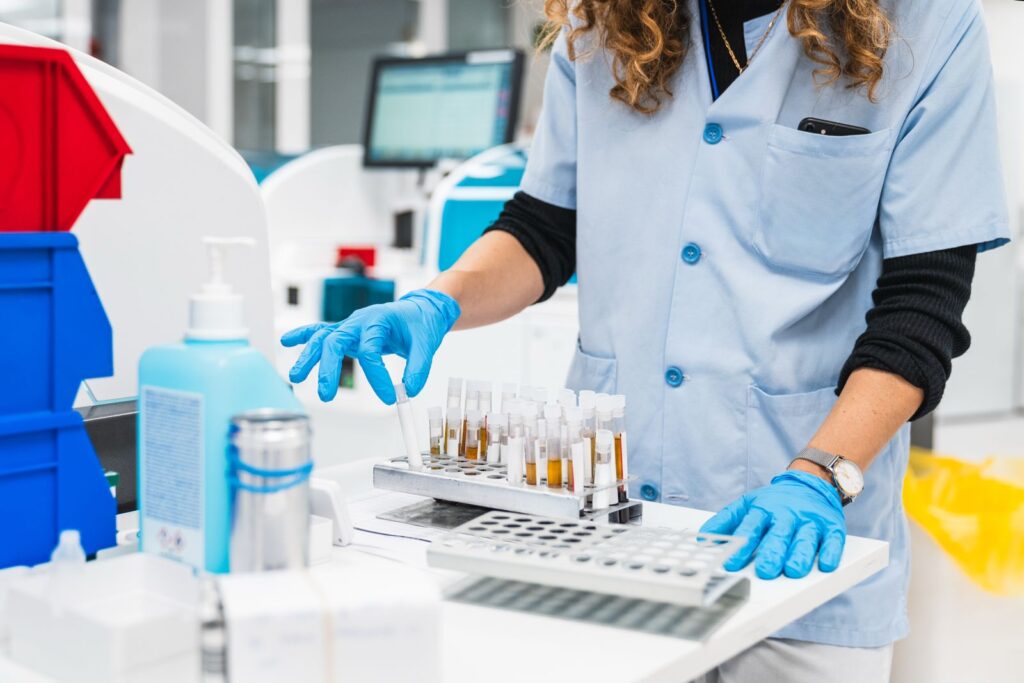
Proper testing is essential because testosterone fluctuates during the day and between days. Always obtain blood samples in the early morning – ideally between 7:00 and 10:00 AM – when levels peak.
Key labs to request:
- Total testosterone (first-line test)
- Free testosterone or calculated free testosterone if SHBG is abnormal
- SHBG, luteinizing hormone (LH), and follicle-stimulating hormone (FSH)
- Prolactin when there are sexual dysfunction or pituitary concerns
- Baseline labs for safety: hematocrit, PSA, liver function, and fasting lipids and glucose or A1c
Confirm low testosterone with at least two morning measurements on separate days. If total testosterone is borderline-normal but symptoms persist, measure free testosterone or calculate bioavailable testosterone.
Interpreting Results and Differential Diagnosis
Low morning total testosterone below laboratory reference ranges suggests hypogonadism. However, age-related decline and conditions such as obesity, sleep apnea, chronic disease, and certain medications can lower levels.
Use LH and FSH to distinguish primary from secondary hypogonadism. High LH/FSH indicate testicular failure; low or normal LH/FSH suggest pituitary or hypothalamic causes. If prolactin is elevated, evaluate for pituitary pathology with imaging.
Treatment Options: TRT Protocols and Alternatives
Treatment depends on goals: symptomatic relief, fertility preservation, or both. For men who do not desire fertility and have clear biochemical hypogonadism, testosterone replacement therapy is effective for energy, sexual function, and muscle mass.
Common TRT delivery methods and typical regimens:
- Intramuscular injections (testosterone cypionate or enanthate): 50-200 mg weekly or 100-200 mg every 7-14 days based on clinical response and trough levels.
- Topical gels: 5-10 g daily delivering 50-100 mg testosterone per day. Apply to dry skin and avoid skin-to-skin transfer.
- Transdermal patches: worn nightly with dosing per manufacturer instructions.
Provider example: A 56-year-old man with total testosterone 220 ng/dL and bothersome fatigue may start 100 mg intramuscular weekly, check trough testosterone at 6-8 weeks, and adjust dose to reach mid-normal range while monitoring symptoms and labs.
HCG and Fertility-Preserving Strategies
If fertility is a priority, discuss alternative strategies before starting TRT. Human chorionic gonadotropin (HCG) stimulates intratesticular testosterone production and preserves sperm production.
HCG dosing often ranges from 500-2000 IU two to three times weekly, individualized to response. Another option is clomiphene citrate, typically 25-50 mg daily, which raises endogenous testosterone by increasing LH and FSH. Use of HCG or clomiphene is common in men under 50 or those who want children.
Monitoring Safety and Adjusting Therapy
Monitoring is critical to safe care. Typical follow-up schedule includes labs at 6-12 weeks after starting or changing dose, then every 6-12 months once stable.
- Check total testosterone, hematocrit, and PSA at follow-up visits.
- Aim to keep hematocrit below 54 percent to reduce clot risk.
- Address elevated PSA with urology evaluation when appropriate.
If hematocrit rises, options include reducing dose, increasing injection interval, advising hydration before lab draws, or therapeutic phlebotomy. For significant mood or dermatologic changes, reassess dosing and delivery method.
Natural and Supportive Measures
When appropriate, always combine medical treatment with lifestyle changes that support testosterone. These interventions can improve outcomes and sometimes reduce the need for higher medication doses.
- Strength training 2-4 times weekly to preserve muscle and increase testosterone production.
- Optimize sleep – aim for 7-9 hours per night and evaluate for obstructive sleep apnea if snoring or daytime sleepiness is present.
- Target a healthy body composition: lose 5-10 percent of body weight if overweight to see measurable hormonal improvements.
- Correct vitamin D deficiency and ensure adequate zinc intake through diet or supplements if deficient.
- Limit excess alcohol and treat chronic stress with behavioral strategies or counseling.
Practical Next Steps and Finding Care in California
If you live in California, many clinics in the Bay Area, Los Angeles, and San Diego offer men’s health or TRT-focused services, including telemedicine options for follow-up. Search for board-certified urologists or endocrinologists with experience in testosterone management.
Action plan for your first visit:
- Bring your symptom checklist and a list of medications including opioids, antidepressants, and corticosteroids.
- Schedule morning labs and request the full panel outlined above.
- Discuss fertility goals upfront so your provider can recommend HCG or clomiphene if needed.
- Agree on a monitoring schedule and obtain written instructions for signs that require immediate attention.
Real-World Example
Case: A 62-year-old in Sacramento reports low libido and fatigue. Morning total testosterone measured 260 ng/dL on two separate days. LH and FSH are normal. After discussing options, he started topical testosterone gel 50 mg daily and improved energy by 8 weeks. Hematocrit remained normal, and PSA rose minimally without clinical concern. He also began a resistance program and lost 12 pounds, which helped maintain gains while allowing a dose reduction.
Frequently Asked Questions
What is a normal testosterone level for men?
Normal ranges vary by lab, but total testosterone commonly falls between 300 and 1000 ng/dL for adult men. Clinicians focus on symptoms plus lab values, so a value below the lab reference or persistent symptoms may warrant treatment.
How is low testosterone diagnosed?
Diagnosis requires at least two morning testosterone measurements and a consistent symptom pattern. Providers often order SHBG, LH, FSH, and safety labs such as hematocrit and PSA to determine cause and safety for therapy.
Will TRT make me infertile?
Exogenous testosterone can suppress sperm production and reduce fertility. If you want children, discuss HCG or clomiphene citrate with your provider to preserve or restore fertility while treating symptoms.
What are common TRT side effects?
Side effects include increased hematocrit, acne, and possible fluid retention or mood changes. Regular monitoring of hematocrit and PSA and dose adjustments help manage these risks.
How soon will I notice benefits from treatment?
Some men notice improved libido and energy within 3-6 weeks, while muscle mass and body composition changes may take 3-6 months. Individual response varies based on baseline health and adherence to lifestyle changes.
Can I try natural methods before starting TRT?
Yes. Weight loss, resistance training, optimized sleep, and correcting nutrient deficiencies can raise testosterone modestly and improve symptoms. However, men with significantly low labs and severe symptoms often need medical therapy for meaningful improvement.
Low testosterone in men over 50 is common, but it is manageable with accurate testing, individualized treatment, and thoughtful monitoring. Use the symptom log and lab checklist in this article when you consult a specialist, and consider fertility goals before starting replacement therapy. If you live in California, search for a men’s health clinic or telemedicine provider to begin evaluation and treatment.
Disclaimer
This blog is for informational and educational purposes only and does not constitute medical advice, diagnosis, or treatment. The content provided is based on general health information and research available as of the publication date. Individual health conditions vary, and what works for one person may not be appropriate for another.
Always consult with a qualified healthcare provider before starting any new treatment, including testosterone replacement therapy (TRT), making changes to existing treatments, or if you have questions about your specific health condition. Never disregard professional medical advice or delay seeking it because of information you read on this blog.
If you are experiencing a medical emergency, call 911 or your local emergency services immediately. The information on this website does not create a doctor-patient relationship and should not be used as a substitute for professional medical advice, diagnosis, or treatment.