

Many men in their 40s notice slipping energy, lower libido, and slower gym progress. These symptoms can signal low testosterone, and early evaluation helps avoid long-term consequences like muscle loss and mood decline.
This guide walks you through a clear, clinic-ready process: symptom review, targeted lab testing, treatment choices including TRT and HCG therapy, monitoring schedules, and practical lifestyle steps. It is focused on real-world decisions men in California and beyond can use when consulting a clinician.
Recognize the Symptoms and Start a Symptom Log
Begin with a simple checklist. Track changes in sexual function, energy, sleep, body composition, and mood for at least four weeks. Examples include reduced morning erections, falling libido scores, unexplained fatigue, and difficulty gaining muscle despite consistent training.
Sample symptom log items
- Sexual: decreased libido, fewer morning erections, erectile difficulty
- Energy: daytime sleepiness, need for naps, reduced stamina
- Body: unexplained weight gain, loss of muscle mass, slower recovery
- Mood: lower motivation, increased irritability, mild depression
Get the Right Labs at the Right Time
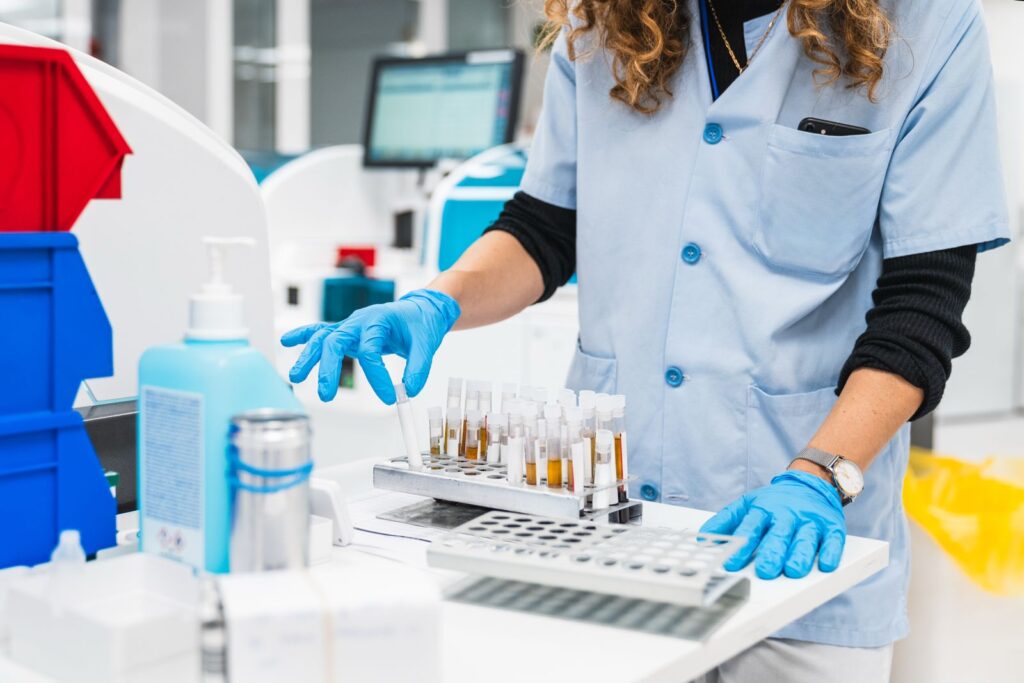
Accurate diagnosis depends on morning labs drawn between 7 am and 10 am. Order a focused panel to avoid surprises and to tailor treatment safely.
Essential laboratory tests
- Total testosterone (morning) – primary screening test
- Free testosterone or calculated free testosterone if total is borderline
- SHBG, LH, FSH – help determine primary versus secondary hypogonadism
- Estradiol and prolactin – rule out endocrine causes
- CBC with hematocrit and PSA – baseline safety checks
- Lipid panel and basic metabolic panel – cardiovascular and liver risk factors
Interpretation rules: many labs and societies use a cutoff near 300 ng/dL total testosterone as a threshold. If your total is 250 to 350 ng/dL with clear symptoms, check free testosterone and repeat measurements on a separate morning before making decisions.
Choosing a Treatment Path: Options and Examples
Treatment should match goals. Men prioritizing fertility need a different plan than those focused on muscle recovery. Below are common options with practical dosing examples.
Testosterone replacement therapy (TRT) options
- Short-acting injections – testosterone cypionate or enanthate, example dosing 50 to 100 mg twice weekly or 100 to 200 mg once weekly. Short-interval dosing reduces peaks and valleys.
- Topical gels – 50 to 100 mg applied daily. Easier administration but risk of transfer to partners or children; use clothing after drying and washing hands.
- Long-acting injections and pellets – variable dosing such as 200 to 400 mg intramuscular every 2 to 4 weeks, or pellets placed every 3 to 6 months; choose if you prefer less frequent dosing.
HCG therapy for fertility preservation
If you plan to father children, consider adding human chorionic gonadotropin (HCG). Typical regimens are 250 to 500 IU subcutaneously two to three times per week alongside TRT to stimulate intratesticular testosterone and maintain sperm production. Some clinics use HCG alone in men with secondary hypogonadism who want to avoid exogenous testosterone.
Monitoring and Safety: What to Test and When
After starting therapy, follow a structured monitoring plan. This minimizes risks and ensures treatment is effective.
Standard monitoring schedule
- 4 to 8 weeks: check total testosterone to confirm therapeutic range and adjust dose.
- 3 months: CBC with hematocrit, PSA, liver enzymes, and clinical assessment of symptoms.
- Every 6 to 12 months: full panel including lipids, metabolic profile, and continued symptom review.
Key safety cutoffs: hematocrit above 54 percent requires dose reduction or temporary hold and evaluation for causes. Rising PSA or new urinary symptoms warrant urology referral. Address untreated severe sleep apnea and active breast or prostate cancer before starting TRT.
Practical Step-by-Step Plan for Men in Their 40s
Follow these steps to move from suspicion to treatment with minimal delay and maximal safety.
- Document symptoms for 4 weeks and collect medication list to rule out drug causes like opioids or steroids.
- Order morning labs with the panel listed above; repeat abnormal testosterone on a separate morning.
- Discuss goals with your clinician: fertility, muscle, libido, mood, or general energy.
- Choose a therapy—topical, injectable, pellets, or HCG-based—guided by goals and lifestyle.
- Start low and monitor, adjusting dose based on 4 to 8 week labs, symptom improvement, and adverse effects.
- Implement lifestyle changes in parallel to maximize results and reduce dose needs.
Lifestyle Interventions That Boost Testosterone Naturally
Combine medical therapy with targeted lifestyle changes. These moves can increase baseline testosterone and improve response to TRT.
- Strength training 3 to 4 times per week focusing on compound lifts to increase muscle mass and insulin sensitivity.
- Optimize sleep – aim for 7 to 9 hours nightly and treat sleep apnea if present.
- Nutrition – maintain a protein-rich, moderate-calorie diet, correct vitamin D deficiency, and ensure zinc intake from food or supplements when deficient.
- Reduce alcohol and stop smoking to improve hormone balance and cardiovascular health.
- Manage stress with regular exercise, mindfulness, or counseling to lower cortisol and support testosterone.
Choosing a Clinic in California or Using Telemedicine
California offers many reputable endocrinology and urology clinics, plus TRT specialty clinics that provide telemedicine follow up. Prioritize board-certification, clear monitoring protocols, and transparent pricing.
Examples: in the Bay Area and Los Angeles you can find state-licensed clinics offering lab coordination, or choose telemedicine services that partner with local labs for morning draws. Confirm the clinic will provide ongoing monitoring and coordinate referrals for complex issues.
Realistic Expectations and Timeline
Most men notice libido and energy improvements within 3 to 6 weeks. Muscle recovery and fat loss may take 3 to 6 months with consistent training and diet. Fertility response with HCG can take several months, so plan accordingly.
If symptoms do not improve after stable therapeutic levels are achieved, re-evaluate dose, adherence, sleep, mental health, and other medical conditions such as thyroid disease or depression.
Frequently Asked Questions
How is low testosterone diagnosed?
Low testosterone is diagnosed using morning blood tests drawn between 7 am and 10 am, repeated on a separate day if abnormal. Clinicians interpret total and free testosterone alongside symptoms and other hormones like LH and SHBG to determine the cause.
What are common TRT protocols and dosing?
Common protocols include injections (example 50 to 100 mg twice weekly), topical gels (50 to 100 mg daily), and pellets placed every 3 to 6 months. Dosing is individualized based on labs, symptoms, and side effects.
Can TRT cause infertility?
Yes, exogenous testosterone can suppress sperm production and reduce fertility. Men who want children should discuss HCG therapy or alternative approaches with their clinician before starting TRT.
Is HCG necessary when on TRT?
HCG is not required for all men but is recommended for those wanting to preserve fertility or prevent testicular shrinkage. Typical HCG dosing is 250 to 500 IU two to three times per week alongside TRT.
How long until I feel benefits from TRT?
Many men notice improved libido and energy in 3 to 6 weeks, while muscle gains and body composition changes appear over 3 to 6 months with proper training and nutrition. Full effects depend on baseline health and adherence.
Can I start TRT via telemedicine in California?
Yes, many California clinics and telemedicine services provide TRT with coordinated local lab testing and follow up. Confirm the provider is licensed in California and offers ongoing monitoring and safety checks.
Disclaimer
This blog is for informational and educational purposes only and does not constitute medical advice, diagnosis, or treatment. The content provided is based on general health information and research available as of the publication date. Individual health conditions vary, and what works for one person may not be appropriate for another.
Always consult with a qualified healthcare provider before starting any new treatment, including testosterone replacement therapy (TRT), making changes to existing treatments, or if you have questions about your specific health condition. Never disregard professional medical advice or delay seeking it because of information you read on this blog.
If you are experiencing a medical emergency, call 911 or your local emergency services immediately. The information on this website does not create a doctor-patient relationship and should not be used as a substitute for professional medical advice, diagnosis, or treatment.