
Low testosterone can slowly erode quality of life for men in their 40s and 50s. Symptoms such as low libido, erectile dysfunction, persistent fatigue, unwanted weight gain, and mood changes are common but often misattributed to stress or aging.
This guide explains how to recognize low testosterone, confirm the diagnosis with the right labs, and choose evidence-based treatments including testosterone replacement therapy, HCG support, and natural strategies. It also outlines safety monitoring, practical dosing examples, and how to find qualified providers in California.
Recognizing symptoms and using a quick self-assessment
Symptoms vary but cluster into sexual, physical, and cognitive categories. Use a simple checklist to start a conversation with your clinician.
- Sexual: low libido, fewer spontaneous erections, erectile dysfunction.
- Physical: persistent fatigue, increased body fat, muscle loss, reduced exercise capacity.
- Mood and cognition: low motivation, increased irritability, difficulty concentrating.
Score each symptom 0-3 (0 none, 3 severe). A cumulative score of 10 or higher suggests evaluation is warranted. This is a screening tool only, not a diagnosis.
Diagnostic testing: what labs to order and when
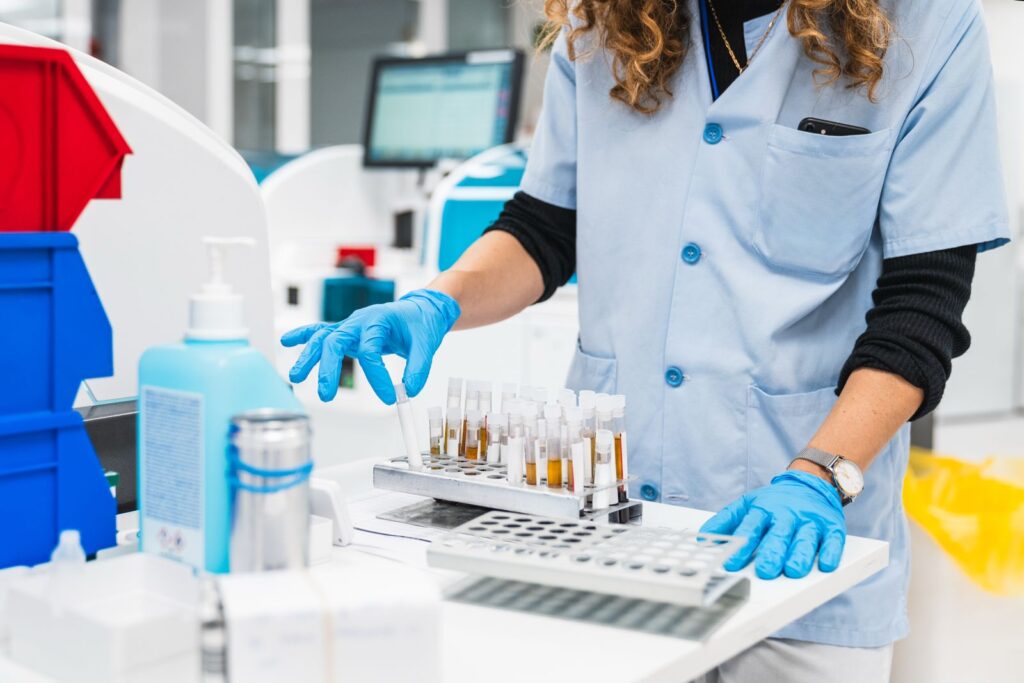
Accurate diagnosis relies on morning blood tests and repeated measurements. Testosterone levels fluctuate daily and with illness, so confirm low values before starting treatment.
- Total testosterone (drawn between 7 and 10 AM on at least two separate days). Values under 300 ng/dL often indicate low testosterone in adult men.
- Free testosterone or calculated free T when SHBG is abnormal.
- Sex-hormone binding globulin (SHBG), estradiol, luteinizing hormone (LH), follicle-stimulating hormone (FSH).
- Baseline safety labs: complete blood count with hematocrit, PSA, lipid panel, liver function, fasting glucose or A1c.
Example interpretation: low total T with low-normal LH suggests secondary hypogonadism, often responsive to HCG plus testosterone or to lifestyle changes. Low total T with high LH suggests primary testicular failure.
Treatment options and protocols
Treatment choice depends on goals, fertility considerations, comorbidities, and patient preference. Below are common, practical protocols used by clinicians.
Testosterone replacement therapy (TRT) methods
- Intramuscular injections: testosterone cypionate or enanthate. Typical starting regimens: 50-100 mg twice weekly or 100-200 mg every 7 days. Splitting dose maintains stable levels and fewer mood swings.
- Topical gels: 25-50 mg applied daily. Gels give steady absorption but require precautions to avoid transfer to others.
- Subcutaneous pellets or long-acting formulations: provide convenience but need procedural placement and careful monitoring.
Clinicians generally target a mid-normal total testosterone range of 400-800 ng/dL and aim to relieve symptoms while minimizing side effects.
HCG therapy and fertility preservation
Human chorionic gonadotropin (HCG) mimics LH and preserves intratesticular testosterone, supporting sperm production. Use HCG when fertility matters or when trying to maintain testicular size.
- Typical HCG dosing: 250-500 IU subcutaneously 2-3 times weekly. Some protocols use 1500 IU twice weekly for special cases under supervision.
- HCG can be combined with TRT to prevent testicular atrophy and maintain spermatogenesis.
Monitoring and safety: what to track and how often
Safety monitoring prevents complications such as polycythemia and untreated prostate disease. Establish a schedule at therapy initiation and adjust as levels stabilize.
- Check testosterone levels at trough for injections (36-72 hours before next dose) or steady-state for gels at 2-4 weeks after start and after dose changes.
- Monitor CBC and hematocrit at baseline, 3 months, 6 months, then annually. Stop or reduce dose if hematocrit exceeds 54 percent.
- PSA and digital rectal exam baseline, then 3-6 months if elevated risk, then annually per urology guidance.
- Reassess lipids, liver function, and metabolic markers periodically.
Adjust dosing based on symptoms and labs. For example, if total T is above target and hematocrit rises, reduce dose by 10-20 percent or extend dosing interval.
Natural strategies to raise testosterone safely
Lifestyle changes support therapy and can increase levels modestly on their own. These are practical steps men can take today.
- Improve sleep: aim for 7-9 hours nightly and address sleep apnea if present.
- Strength training: heavy resistance work 3 times weekly increases muscle and stimulates testosterone production.
- Nutrition: prioritize protein, moderate carbs around workouts, and correct vitamin D deficiency. Consider 1000-4000 IU vitamin D daily if deficient after testing.
- Weight loss: losing 5-10 percent body weight can significantly raise testosterone in overweight men.
- Limit excessive alcohol and avoid opiate use. Manage stress with targeted strategies such as CBT or structured exercise.
Practical examples and patient scenarios
Example 1: A 48-year-old man with fatigue and low libido, total T 250 ng/dL on two tests. He opts for injections: 75 mg twice weekly. After 6 weeks his total T is 520 ng/dL, libido improved, hematocrit stable. Dose is maintained.
Example 2: A 36-year-old man with low T and desire for future fertility. He starts HCG 500 IU subcut 3 times weekly plus lifestyle changes. Sperm counts and symptoms are monitored with urology.
Finding a qualified provider in California
Choose clinicians who order appropriate labs, tailor protocols, and provide regular follow-up. Look for endocrinologists, urologists, or board-certified men’s health clinics with experience in TRT.
- Major California metro areas such as Los Angeles, San Diego, San Francisco, and Sacramento have specialized clinics and telemedicine options.
- Ask providers about their approach to fertility preservation, HCG use, and hematocrit management.
- Verify lab partnerships and ability to draw early-morning blood samples for accurate diagnosis.
When not to start TRT and red flags
Delay TRT when reversible causes exist: uncontrolled obesity, severe sleep apnea, active opiate use, or significant untreated illness. Immediate referral to urology is needed for elevated PSA or suspicious prostate findings.
Men with untreated polycythemia, poorly controlled heart disease, or active breast or prostate cancer require specialist input before any hormonal therapy.
Frequently Asked Questions
What blood tests confirm low testosterone?
Diagnosis requires morning total testosterone on at least two occasions plus free testosterone or calculated free T if SHBG is abnormal. Additional tests include LH, FSH, estradiol, CBC, PSA, and metabolic labs.
Will TRT make me infertile?
Standard testosterone therapy can suppress sperm production by lowering intratesticular testosterone. HCG or selective regimens can preserve fertility, so discuss family planning before starting TRT.
How quickly do symptoms improve on TRT?
Some symptoms like libido and energy often improve within 3-6 weeks. Muscle mass and fat changes take 3-6 months. Individual response varies and monitoring guides adjustments.
What are common side effects of TRT?
Side effects include increased hematocrit, acne, oily skin, and potential rise in estradiol. Rare risks include worsening sleep apnea and prostate issues, so routine monitoring is essential.
Can lifestyle changes alone restore testosterone?
Lifestyle improvements—weight loss, strength training, sleep optimization, and vitamin D correction—can raise testosterone modestly, especially in men with obesity or sedentary habits. Severe deficiency often needs medical therapy.
How do I choose between injections, gels, or pellets?
Choice depends on convenience, cost, and side-effect profiles. Injections provide reliable blood level control; gels avoid injections but risk transfer; pellets offer long duration but require placement. Discuss pros and cons with your clinician.
Conclusion: Low testosterone is a treatable condition with clear diagnostic steps and multiple therapy options. Use the symptom checklist to prompt testing, confirm low levels with morning labs, and work with a qualified clinician to select a personalized plan. Combine medical therapy when appropriate with targeted lifestyle changes, and follow a structured monitoring schedule to maximize benefits and safety. For residents of California, seek men’s health clinics or telemedicine practices that offer comprehensive lab monitoring and fertility-preserving options.
Disclaimer
This blog is for informational and educational purposes only and does not constitute medical advice, diagnosis, or treatment. The content provided is based on general health information and research available as of the publication date. Individual health conditions vary, and what works for one person may not be appropriate for another.
Always consult with a qualified healthcare provider before starting any new treatment, including testosterone replacement therapy (TRT), making changes to existing treatments, or if you have questions about your specific health condition. Never disregard professional medical advice or delay seeking it because of information you read on this blog.
If you are experiencing a medical emergency, call 911 or your local emergency services immediately. The information on this website does not create a doctor-patient relationship and should not be used as a substitute for professional medical advice, diagnosis, or treatment.