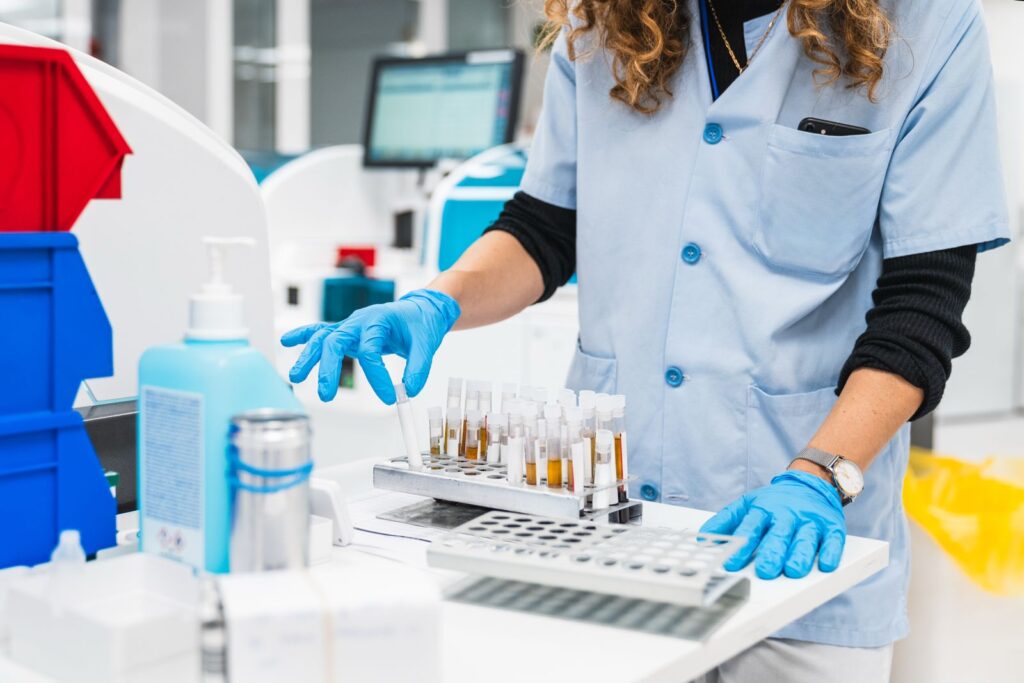

Getting blood work done before and during testosterone replacement therapy can feel overwhelming. You receive a printout filled with numbers, abbreviations, and reference ranges that seem designed to confuse rather than inform. Most men walk out of the lab with more questions than answers, unsure whether their levels are genuinely problematic or simply on the lower end of a broad normal range.
Understanding what your lab results actually mean puts you in control of your health decisions. It helps you have more productive conversations with your doctor, recognize when your protocol may need adjustment, and track your progress over time with confidence. This guide breaks down the essential markers tested during TRT evaluation and explains what each number tells you about your hormonal health.
Whether you are considering testosterone therapy for the first time or already on a protocol, knowing how to read your bloodwork is one of the most valuable skills you can develop as a patient.
The Core Panel: Essential Tests Before Starting TRT
No responsible provider should prescribe testosterone therapy without a comprehensive baseline lab panel. These initial results establish your starting point and identify any underlying conditions that could affect your treatment plan.
Total Testosterone
This is the number most men focus on first, and for good reason. Total testosterone measures all testosterone circulating in your bloodstream, including both bound and free forms. Most labs report a normal range of roughly 300 to 1000 ng/dL, though this wide range can be misleading.
A man with levels at 310 ng/dL technically falls within the normal range, but may experience significant symptoms of deficiency. Optimal levels for men on TRT typically fall between 600 and 900 ng/dL, depending on individual response and the specific treatment goals established with your provider.
Morning testing is critical because testosterone follows a diurnal rhythm, peaking in the early hours and declining throughout the day. Testing in the afternoon can produce results that appear 15 to 25 percent lower than your true peak, potentially affecting diagnostic accuracy.
Free Testosterone
Only a small fraction of your total testosterone, roughly 2 to 3 percent, is actually available for your cells to use. This unbound portion is called free testosterone, and it is often a more accurate predictor of symptoms than total testosterone alone.
Some men have normal total testosterone but low free testosterone because an excess of sex hormone binding globulin (SHBG) is trapping too much of it. If you have symptoms of low T but your total levels appear adequate, free testosterone testing often reveals the real problem.
SHBG (Sex Hormone Binding Globulin)
SHBG is a protein produced by the liver that binds tightly to testosterone, rendering it biologically inactive. High SHBG levels reduce the amount of free testosterone available to your tissues. This can occur due to aging, thyroid issues, certain medications, or elevated estrogen.
Men with high SHBG may need higher testosterone doses to achieve the same free testosterone levels as someone with lower SHBG. Conversely, low SHBG can cause testosterone to metabolize faster, sometimes requiring more frequent injections to maintain stable levels.
Estrogen Management: The Overlooked Priority
Estradiol (E2)
Estradiol is the primary estrogen in men and plays a surprisingly important role in bone density, cardiovascular health, mood, and sexual function. The concern with TRT is that exogenous testosterone can convert to estradiol through a process called aromatization.
Elevated estradiol on TRT can cause water retention, gynecomastia (breast tissue growth), emotional sensitivity, and decreased libido. The ideal range for men on TRT is generally considered to be between 20 and 40 pg/mL, though some men feel best at slightly higher levels.
It is important to test specifically for sensitive estradiol rather than standard estradiol when monitoring men on TRT. The standard test is calibrated for women and produces less reliable results in males.
Complete Blood Count: Watching for Red Blood Cell Changes
Hematocrit and Hemoglobin
Testosterone stimulates the production of red blood cells by increasing erythropoietin signaling. While modest increases in red blood cell production can improve energy and oxygen delivery, excessively elevated hematocrit poses a risk for blood clotting complications.
Most providers target a hematocrit below 54 percent during TRT. If your levels creep above this threshold, your provider may lower your dose, switch you to a different delivery method, increase injection frequency to reduce peak levels, or recommend therapeutic blood donation.
Monitoring this marker every 3 to 6 months during TRT is standard practice and should never be skipped, even if you feel well.
Liver and Metabolic Markers
Comprehensive Metabolic Panel (CMP)
The CMP checks liver enzymes, kidney function, blood glucose, and electrolytes. Injectable testosterone generally has a minimal impact on liver function, unlike oral anabolic steroids that undergo first-pass liver metabolism. However, baseline and periodic monitoring remains important.
Fasting glucose and insulin levels are especially relevant because low testosterone is strongly associated with insulin resistance and metabolic syndrome. Improvements in these markers are often seen after testosterone optimization, making them useful progress indicators beyond just hormone numbers.
Lipid Panel
Testosterone therapy can affect cholesterol levels in various ways depending on the dose, delivery method, and individual response. Some men see improvements in HDL (good) cholesterol while others experience modest decreases. LDL changes tend to be more variable.
Baseline lipids should always be measured before starting TRT, and annual monitoring helps catch any unfavorable trends early so dietary or lifestyle adjustments can be made.
Prostate Health Monitoring
PSA (Prostate Specific Antigen)
PSA testing is a standard part of TRT monitoring for men over 40 or those with any prostate health history. Current evidence does not support the idea that TRT causes prostate cancer, but it can stimulate growth of existing undiagnosed cancer, which is why baseline and ongoing PSA checks are essential.
A PSA increase of more than 1.4 ng/mL within the first year of TRT warrants further evaluation. Velocity of change matters as much as absolute values, so tracking your results over time is more informative than any single reading.
Thyroid and Other Supporting Markers
Many symptoms of low testosterone overlap with thyroid dysfunction, including fatigue, weight gain, depression, and cognitive fog. Testing TSH and free T3/T4 alongside your testosterone panel can rule out thyroid issues or identify cases where both conditions coexist.
Vitamin D levels are also worth checking. Low vitamin D is associated with lower testosterone production and can blunt your response to TRT. Correcting a deficiency is a simple intervention that may improve your outcomes.
How Often Should You Test on TRT?
Testing frequency depends on where you are in your treatment journey. Initial follow-up labs are typically drawn 6 to 8 weeks after starting or adjusting a protocol, giving your body time to reach stable hormone levels.
Once your levels are optimized and stable, most providers recommend testing every 3 to 6 months. Key markers to track at every visit include total and free testosterone, estradiol, hematocrit, and PSA (for appropriate age groups). Annual comprehensive panels covering lipids, metabolic markers, and thyroid function round out a thorough monitoring strategy.
Frequently Asked Questions
What testosterone level is considered low enough to start TRT?
Most providers use a threshold of below 300 ng/dL on two separate morning tests combined with clinical symptoms to diagnose testosterone deficiency. Some men with levels between 300 and 400 ng/dL may also qualify if they have significant symptoms and low free testosterone, since total testosterone alone does not capture the full picture.
Why do I still have symptoms if my total testosterone is in the normal range?
Normal reference ranges are very broad and include men with vastly different physiology. If your free testosterone is low due to high SHBG, or if your estradiol is imbalanced relative to your testosterone, you can experience classic low T symptoms even with normal total levels. A complete hormone panel rather than just total testosterone is necessary for accurate evaluation.
How long does it take for lab results to stabilize after starting TRT?
Injectable testosterone typically reaches stable blood levels after 4 to 6 weeks when dosed consistently. Topical gels and creams may take slightly longer. Labs drawn before this stabilization period may not accurately reflect your true steady-state levels, which is why most providers wait 6 to 8 weeks before making dose adjustments.
What is the difference between standard and sensitive estradiol testing for men?
Standard estradiol assays are calibrated for the higher estrogen concentrations found in women and can produce inaccurate results at the lower levels seen in men. The sensitive estradiol test uses a different detection method that provides more reliable readings in the male range, making it the preferred choice for monitoring men on TRT.
Can TRT cause permanent changes to my blood test results?
Most changes to lab markers during TRT are reversible when therapy is discontinued or doses are adjusted. Elevated hematocrit, for example, typically normalizes within a few months of stopping therapy. However, prolonged suppression of the hypothalamic-pituitary-gonadal axis can temporarily reduce natural testosterone production, which may take months to recover fully after stopping TRT.
What should I do if my PSA rises significantly during TRT?
A significant or rapid PSA increase during TRT warrants prompt evaluation by a urologist. Your provider will likely pause testosterone therapy while a full prostate assessment is completed. In most cases, moderate PSA elevations turn out to be benign, but ruling out prostate pathology is a non-negotiable safety step before continuing treatment.
Do I need to fast before TRT lab testing?
Fasting is required for accurate glucose, insulin, and lipid testing, which are all part of a comprehensive TRT panel. For hormone levels specifically, fasting is not strictly required, but testing in the morning before eating is standard practice to capture peak testosterone levels and ensure consistency across follow-up tests.
Disclaimer
This blog is for informational and educational purposes only and does not constitute medical advice, diagnosis, or treatment. The content provided is based on general health information and research available as of the publication date. Individual health conditions vary, and what works for one person may not be appropriate for another.
Always consult with a qualified healthcare provider before starting any new treatment, including testosterone replacement therapy (TRT), making changes to existing treatments, or if you have questions about your specific health condition. Never disregard professional medical advice or delay seeking it because of information you read on this blog.
If you are experiencing a medical emergency, call 911 or your local emergency services immediately. The information on this website does not create a doctor-patient relationship and should not be used as a substitute for professional medical advice, diagnosis, or treatment.