
If you are in your 40s and noticing fatigue, low libido, weight gain, or a drop in gym performance, low testosterone may be a contributing factor. Many men delay evaluation because symptoms can develop slowly, but early assessment can restore energy, mood, and sexual function with safe, evidence-based care.
This guide explains how to recognize low testosterone, what tests clinicians order, the common TRT protocols including HCG and fertility-preserving options, natural strategies that help, and a practical patient timeline so you know what to expect. Advice is geared toward men seeking care in California but applies broadly.
Recognizing Symptoms and When to Test
Low testosterone often presents as a cluster of symptoms rather than a single sign. Typical complaints include erectile dysfunction, low libido, persistent fatigue, increased body fat, decreased muscle mass, and mood changes. If you have two or more symptoms for several months, testing is reasonable.
Order labs early in the morning – ideally between 7:00 and 10:00 AM – when testosterone peaks. Repeat abnormal results on a separate day to confirm a diagnosis before starting treatment.
Essential Lab Panel
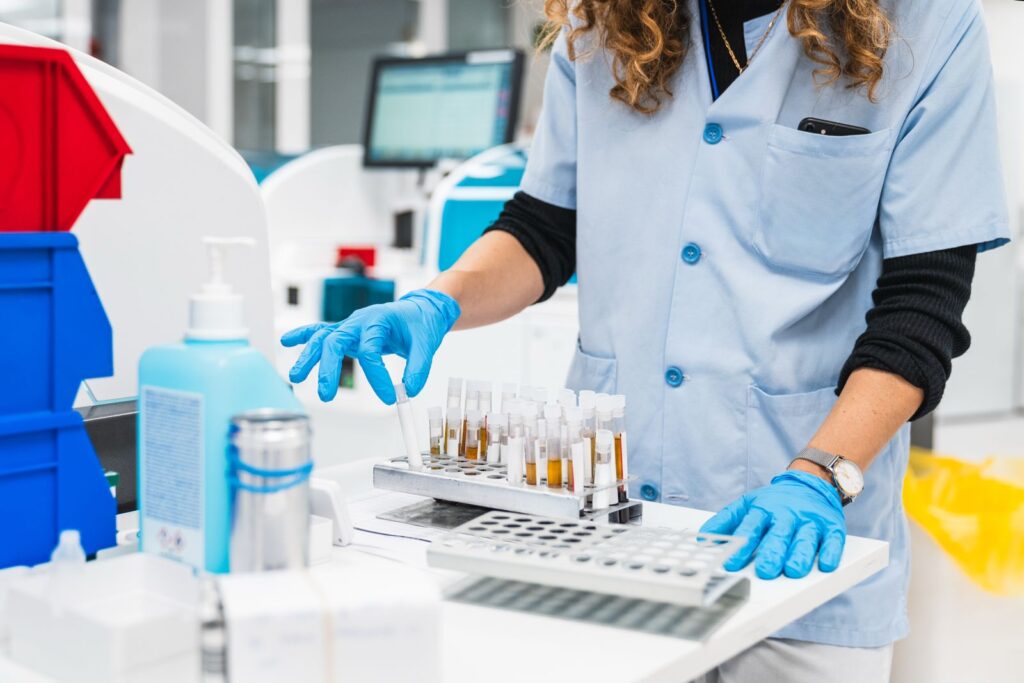
A comprehensive baseline panel helps identify causes and guides safe treatment. Ask your clinician for these tests:
- Total testosterone (morning sample)
- Free testosterone or calculated free testosterone
- Sex hormone-binding globulin (SHBG)
- Luteinizing hormone (LH) and follicle-stimulating hormone (FSH)
- Estradiol (E2)
- Complete blood count (CBC) including hematocrit
- Comprehensive metabolic panel (CMP) for liver and kidney function
- Prostate-specific antigen (PSA) for men >40 or with risk factors
These results differentiate primary testicular failure from secondary hypogonadism and reveal conditions that may need treatment first, such as sleep apnea or uncontrolled diabetes.
TRT Options and Typical Protocols
Testosterone replacement has several delivery methods. Choice depends on lifestyle, monitoring tolerance, and fertility goals.
- Intramuscular injections – testosterone cypionate or enanthate 50-200 mg weekly or 100-200 mg every 10-14 days. Many clinicians prefer smaller, more frequent dosing to reduce mood swings and maintain steady levels.
- Transdermal gels – daily gels typically delivering 25-100 mg with titration based on labs and symptoms. Good for steady levels but risk of transfer to others.
- Subcutaneous pellets – implanted every 3-6 months by specialized clinicians.
Monitoring occurs at 3 months after initiation, then at 6 months, and annually if stable. Key labs: total testosterone, hematocrit, PSA, estradiol, and metabolic panel.
HCG and Fertility-Preserving Strategies
A common concern is fertility. Exogenous testosterone suppresses LH and FSH, reducing sperm production. To preserve fertility, clinicians use human chorionic gonadotropin (HCG) or selective estrogen receptor modulators like clomiphene citrate.
Typical HCG dosing examples include 250-500 IU subcutaneously two to three times per week or 1,500 IU weekly. HCG maintains intratesticular testosterone and testicular size. Clomiphene is often used as 25-50 mg every other day or daily to stimulate endogenous production, but it requires specialist oversight.
Safety Considerations and Side Effect Management
TRT is generally safe when monitored, but potential issues include elevated hematocrit, acne, fluid retention, worsening sleep apnea, and rare liver effects with certain formulations. Elevated hematocrit above 54 percent typically triggers dose reduction or therapeutic phlebotomy.
Prostate health should be assessed via PSA and digital rectal exam as indicated. Current evidence does not show TRT causes new prostate cancer, but monitoring is prudent. Also address modifiable risks before or during treatment, such as obesity and untreated sleep apnea.
Natural and Lifestyle Strategies That Help
While medication is often necessary for clinically low testosterone, lifestyle changes amplify results and sometimes improve endogenous levels.
- Resistance training – progressive strength training 3-4 times weekly boosts testosterone and muscle mass.
- Nutrition – adequate protein, healthy fats, and reduction of ultra-processed carbs helps body composition and hormonal balance.
- Sleep – aim for 7-9 hours nightly and screen for sleep apnea if you snore or feel unrefreshed.
- Weight loss – losing 5-15 percent body weight can raise testosterone significantly in men with obesity.
- Vitamin D, zinc, and magnesium supplementation when deficient can support hormone health, but do not replace medical therapy when testosterone is low.
Patient Journey: What to Expect Week by Week
Expect gradual improvements rather than overnight fixes. A typical timeline looks like this:
- 0-4 weeks: Baseline labs completed; initial counseling and trial of lifestyle changes.
- 4-12 weeks: If started on TRT, most men report increased libido and energy within 2-6 weeks.
- 3-6 months: Noticeable improvements in muscle strength and body composition; labs rechecked and dose adjusted.
- 6-12 months: Stabilization of benefits and long-term monitoring plan established.
For example, a 45-year-old man in Los Angeles who had fatigue and low libido completed morning labs, started 100 mg weekly injections with HCG 250 IU twice weekly to preserve fertility, and combined TRT with a 12-week strength program and sleep improvement. By 3 months his energy and libido were improved, and hematocrit remained within target range after minor dose adjustment.
Practical Steps to Get Started in California
Follow these actionable steps to move from concern to care:
- Use a symptom checklist and take morning labs. Many California clinics offer expedited testing at labs across the state.
- Bring results to a qualified provider – an endocrinologist, urologist, or men’s health clinic experienced with TRT protocols and HCG use.
- Discuss fertility goals up front so your provider can offer HCG or clomiphene if needed.
- Start lifestyle modifications immediately – diet, sleep, exercise – while arranging medical therapy.
- Schedule follow-up labs at 3 months and maintain a monitoring plan with hematocrit and PSA checks.
Telemedicine options are widely available in California, but ensure the clinician orders confirmatory labs and offers in-person evaluation when necessary.
Frequently Asked Questions
How long does it take to feel the effects of TRT?
Many men notice improved libido and energy within 2-6 weeks, while strength and body composition changes often take 3-6 months. Individual response varies, so clinicians adjust dose and delivery method based on symptoms and labs.
Will TRT make me infertile?
Exogenous testosterone commonly suppresses sperm production and can reduce fertility. Using HCG or clomiphene with TRT helps preserve or restore fertility, but these strategies should be planned with your provider before starting therapy.
What labs should I get before starting TRT?
Key tests include morning total and free testosterone, SHBG, LH, FSH, estradiol, CBC with hematocrit, CMP, and PSA when appropriate. Repeat abnormal testosterone on a separate morning to confirm the diagnosis.
Is TRT safe for men over 50?
TRT can be safe for men over 50 when monitored carefully for hematocrit and prostate health. Shared decision-making with regular labs and attention to cardiovascular risk factors is essential.
Can I try natural methods first?
Yes, lifestyle changes like weight loss, resistance training, quality sleep, and treating sleep apnea should be initiated alongside evaluation. However, if blood tests confirm clinically low testosterone, medication is often necessary to fully correct symptoms.
How do I find a qualified TRT provider in California?
Look for board-certified endocrinologists, urologists, or men’s health specialists with experience prescribing TRT and HCG. Check reviews, verify they require baseline labs, and confirm they provide routine monitoring.
Conclusion
Low testosterone in your 40s is common and treatable. By combining accurate diagnosis, a tailored TRT protocol or fertility-preserving approach, and concrete lifestyle changes, most men regain energy, libido, and muscle mass. Start with morning labs, consult a qualified provider, and follow a clear monitoring plan to maximize benefits and minimize risks.
Disclaimer
This blog is for informational and educational purposes only and does not constitute medical advice, diagnosis, or treatment. The content provided is based on general health information and research available as of the publication date. Individual health conditions vary, and what works for one person may not be appropriate for another.
Always consult with a qualified healthcare provider before starting any new treatment, including testosterone replacement therapy (TRT), making changes to existing treatments, or if you have questions about your specific health condition. Never disregard professional medical advice or delay seeking it because of information you read on this blog.
If you are experiencing a medical emergency, call 911 or your local emergency services immediately. The information on this website does not create a doctor-patient relationship and should not be used as a substitute for professional medical advice, diagnosis, or treatment.