
Low testosterone affects thousands of men in California and across the United States. If you are experiencing erectile dysfunction, low libido, chronic fatigue, weight gain, muscle loss, or mood changes, understanding the diagnostics and treatment options can be the difference between months of frustration and meaningful recovery.
This guide explains practical steps to diagnose low testosterone, outlines evidence-based TRT protocols, explains HCG use for fertility preservation, lists required lab testing and monitoring, and offers natural strategies you can apply immediately. Use this as a roadmap to have more productive conversations with a licensed California provider.
Recognizing Low Testosterone: Symptoms and When to Test
Symptoms of hypogonadism are often subtle and overlap with other conditions. Common signs include erectile dysfunction, reduced libido, persistent fatigue, increased body fat, muscle loss, and mood disturbances like irritability or depression.
Consider testing if symptoms are persistent for more than three months or if you have risk factors such as obesity, type 2 diabetes, prior chemotherapy, opioid use, or a history of pituitary disorders. Early testing helps avoid delays in addressing reversible causes.
Essential Lab Tests and Interpretation
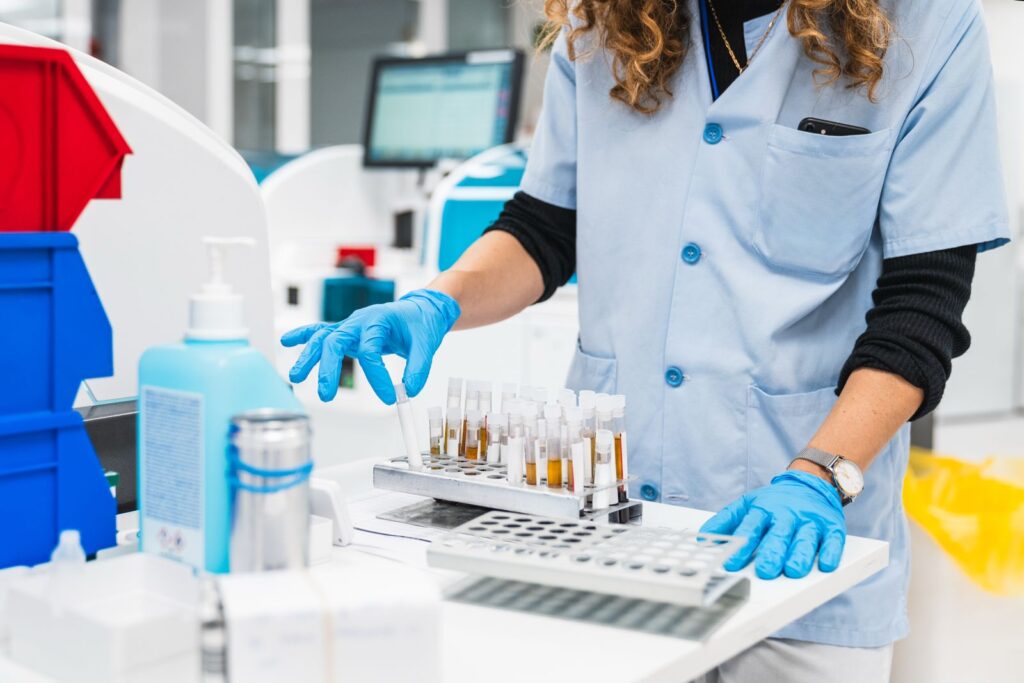
Accurate diagnosis depends on properly timed labs and a complete panel. Order morning blood draws (between 7:00 and 10:00 AM) on at least two separate days for total testosterone.
- Total testosterone – diagnostic threshold commonly 300 ng/dL, though symptoms guide decisions.
- Free testosterone, SHBG – clarify bioavailable hormone when SHBG is abnormal.
- Luteinizing hormone (LH) and follicle-stimulating hormone (FSH) – differentiate primary vs secondary hypogonadism.
- Prolactin and morning cortisol – rule out pituitary causes when indicated.
- Baseline CBC, hematocrit, PSA, liver function, and lipid panel – required before and during therapy.
Example: a 45-year-old man with clear symptoms and two morning total testosterone values of 220 ng/dL is a reasonable candidate to discuss TRT after evaluating contraindications.
TRT Options and Practical Protocols
Choose a route of administration with your provider based on lifestyle, cost, and monitoring capacity. Each option has pros and cons.
Intramuscular injections
Commonly used formulations include testosterone cypionate or enanthate. Typical dosing ranges from 50-200 mg per week, often given as 50-100 mg twice weekly to reduce peaks and troughs. Many men notice improved energy and libido within 4-8 weeks.
Transdermal gels and patches
Gels (for example 50-100 mg/day formulations) provide steady levels and avoid injections, but they carry a risk of transfer to partners or children. Apply daily and wash hands after application.
Pellets and nasal gels
Implantable pellets last 3-6 months and require minor office procedures. Nasal TRT is useful for men concerned about systemic exposure patterns but requires multiple daily dosing.
HCG and Fertility Preservation
If you want to preserve or restore fertility, adding human chorionic gonadotropin (HCG) is a standard approach. HCG mimics LH and stimulates testicular testosterone production and spermatogenesis.
Typical HCG dosing is 250-500 IU administered subcutaneously 2-3 times per week. For men actively trying to conceive, a urologist or reproductive endocrinologist may combine HCG with selective estrogen receptor modulators like clomiphene citrate or with lower-dose exogenous testosterone under close supervision.
Monitoring Schedule and Safety
Monitoring reduces risks and maximizes benefit. A common schedule is:
- Baseline: total testosterone, CBC, hematocrit, PSA, LFTs, lipid panel.
- 6-12 weeks after initiation or dose change: total testosterone, hematocrit, symptoms review.
- Every 3 months during the first year, then every 6-12 months: CBC, hematocrit, testosterone, PSA in men over 40.
Watch for polycythemia (hematocrit >54%), which requires dose adjustment or therapeutic phlebotomy. Also monitor for worsening sleep apnea, significant acne, or fluid retention. Contraindications include active prostate or breast cancer and uncontrolled heart failure.
Interpreting Levels and Adjusting Therapy
Aim for mid-normal to high-normal total testosterone tailored to symptoms. For injections, check levels mid-interval or at trough depending on the clinic’s protocol to guide dose adjustments. For gels, a single morning level may suffice after steady-state is reached.
If symptoms persist despite target levels, evaluate estrogen balance, SHBG, thyroid function, vitamin D, and coexisting depression or medication side effects.
Natural Strategies to Boost Testosterone
While TRT is the most direct treatment for deficiency, lifestyle changes support and sometimes improve hormone levels.
- Strength training and high-intensity interval training increase testosterone and muscle mass.
- Lose excess body fat – a 5-10 percent weight loss can significantly improve testosterone.
- Optimize sleep – aim for 7-9 hours of regular, high-quality sleep.
- Correct vitamin D deficiency and ensure adequate zinc intake under medical supervision.
- Limit excessive alcohol and avoid chronic opioid use when possible.
These measures help both men on TRT and those pursuing non-pharmacologic approaches.
Practical Patient Checklist for California Clinics
When selecting a California provider, use this checklist to streamline your care:
- Confirm the clinic is licensed and supervised by a California-licensed physician or nurse practitioner.
- Ask if they order labs through major networks like LabCorp or Quest and whether they offer local phlebotomy.
- Request a clear monitoring plan and written consent detailing risks and expected timelines.
- Inquire about fertility-preserving options including HCG or referral to fertility specialists.
- Compare costs of medication, lab work, and visits; some telemedicine clinics provide transparent pricing and home delivery for injectables and gels.
Example: a San Diego telemedicine clinic may offer an initial virtual consult, on-site lab orders to LabCorp, home shipment of testosterone, and quarterly follow-up visits. Verify all steps before starting therapy.
What to Expect on Therapy: Timelines and Outcomes
Most men report improved energy and libido within 4-8 weeks. Muscle mass and strength often increase over 3-6 months with concurrent resistance training and adequate protein intake.
Expect dose adjustments during the first 3-6 months and ongoing monitoring for hematocrit and PSA. Discuss realistic goals and safety checks with your provider before beginning therapy.
When to Seek Specialist Referral
Refer to endocrinology or urology when you encounter complex cases such as suspected pituitary disease, very low LH/FSH with severe symptoms, infertility concerns, or persistent polycythemia. Specialists can coordinate advanced imaging, semen analysis, and assisted reproductive planning.
Frequently Asked Questions
How do I know if my testosterone level is low enough to need TRT?
Diagnosing low testosterone requires symptoms plus biochemical confirmation. Two morning total testosterone tests below commonly accepted thresholds, typically <300 ng/dL, combined with consistent symptoms, support a TRT discussion with a provider.
Can TRT make me infertile?
Exogenous testosterone can suppress sperm production by lowering intratesticular testosterone. If you want children, discuss HCG or alternative treatments like clomiphene with your provider to preserve or restore fertility.
What are the common side effects of TRT?
Common side effects include acne, fluid retention, increased hematocrit, and potential worsening of untreated sleep apnea. Regular monitoring of hematocrit and symptom review helps manage these risks.
How often should labs be checked on TRT?
Typical monitoring includes a baseline and checks at 6-12 weeks after starting therapy, then every 3 months for the first year. After stabilization, labs every 6-12 months are common, with hematocrit measured more frequently if elevated.
Is HCG necessary when starting TRT?
HCG is not required for all men, but it is recommended when fertility is a concern because it preserves testicular function. Your clinician can add HCG to your regimen or refer you to a specialist for fertility planning.
Can lifestyle changes reverse low testosterone?
Lifestyle modifications such as weight loss, resistance training, improved sleep, and treating vitamin D deficiency can raise testosterone modestly and improve symptoms. For many men with true hypogonadism, these measures are helpful but may not be sufficient alone.
Conclusion
Starting TRT in California requires careful diagnosis, informed choices about treatment modality, and structured monitoring to ensure safety and effectiveness. Use the lab checklist, monitoring schedule, and clinic-selection tips above to prepare for a productive consultation. If fertility is a priority, discuss HCG or alternative strategies early. When in doubt, seek a specialist referral.
Take the first step by scheduling a morning lab draw and a consultation with a licensed provider who can review your full medical history and create a personalized plan.
Disclaimer
This blog is for informational and educational purposes only and does not constitute medical advice, diagnosis, or treatment. The content provided is based on general health information and research available as of the publication date. Individual health conditions vary, and what works for one person may not be appropriate for another.
Always consult with a qualified healthcare provider before starting any new treatment, including testosterone replacement therapy (TRT), making changes to existing treatments, or if you have questions about your specific health condition. Never disregard professional medical advice or delay seeking it because of information you read on this blog.
If you are experiencing a medical emergency, call 911 or your local emergency services immediately. The information on this website does not create a doctor-patient relationship and should not be used as a substitute for professional medical advice, diagnosis, or treatment.