
Low testosterone affects many men over 40 and often shows up as fatigue, low libido, erectile dysfunction, weight gain, muscle loss, and mood changes. Recognizing the pattern of symptoms and pairing them with targeted lab testing gives you the best chance for an accurate diagnosis and sensible treatment plan.
This guide walks through a step-by-step diagnostic pathway you can use with a clinician. It covers symptom assessment, the exact labs to order, how to interpret results, when to repeat testing, and practical next steps including when to consider TRT or HCG therapy. Examples and actionable checklists are included to make your clinic visit efficient and productive.
Step 1: Symptom recognition and self-assessment
Start by tracking symptoms for 4-12 weeks. Use a simple daily log noting energy level, libido, erections, sleep quality, mood, and body composition changes. This pattern helps your provider separate occasional low energy from a hormonal decline that warrants testing.
Key symptoms to note are persistent low libido, frequent difficulty achieving or maintaining erections, unexplained fatigue despite adequate sleep, progressive muscle loss, and increased abdominal fat. If you have several of these, bring the log to your appointment.
Step 2: Medical history and medication review
A targeted medical history identifies reversible causes. Share details about chronic illnesses, recent weight changes, alcohol use, stress, sleep apnea, prior testicular injury, and past surgeries. Also list prescription medications and supplements.
Certain drugs such as opioids, some antidepressants, corticosteroids, and anabolic steroids can lower testosterone. Your clinician will consider stopping or substituting a medication before diagnosing primary hypogonadism.
Step 3: The right labs at the right time
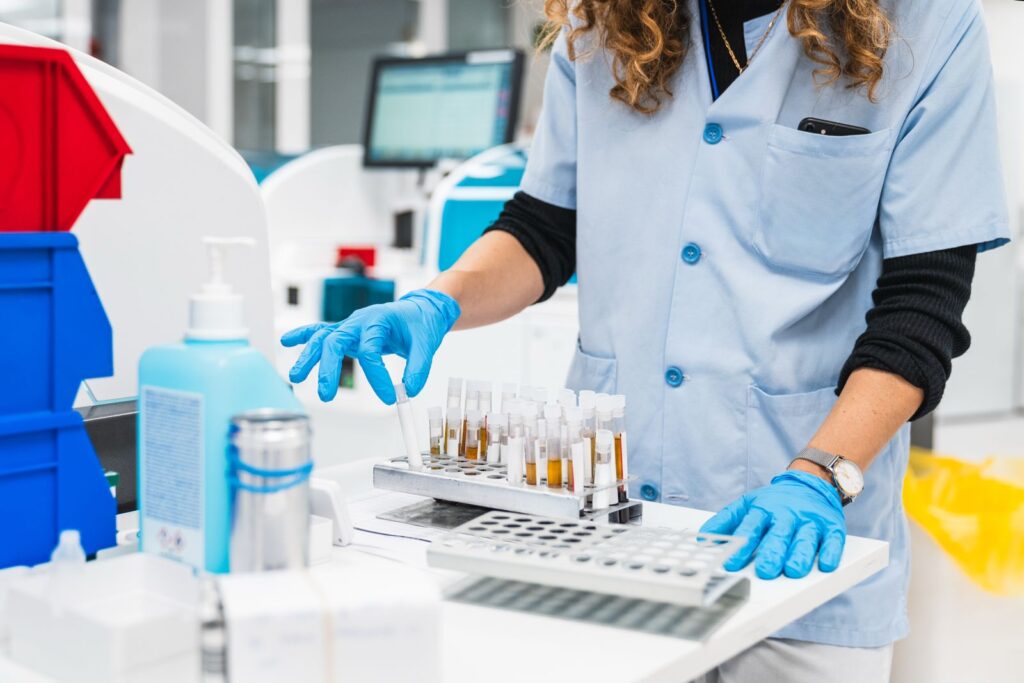
Laboratory testing must be precise. Order blood tests in the morning between 7:00 and 10:00 AM on two separate days to confirm results, because testosterone follows a diurnal rhythm and fluctuates day to day.
Essential baseline tests include:
- Total testosterone (morning, two separate draws)
- Free testosterone or calculated free testosterone using SHBG
- Sex hormone-binding globulin (SHBG)
- Luteinizing hormone (LH) and follicle-stimulating hormone (FSH) to distinguish primary versus secondary hypogonadism
- Prolactin to rule out hyperprolactinemia
- Complete blood count (CBC) and comprehensive metabolic panel for baseline safety
- PSA for men at risk of prostate disease
Optional but useful tests: thyroid-stimulating hormone (TSH), fasting glucose or A1c, and lipid panel. If fertility concerns exist, order a semen analysis before starting testosterone therapy.
Interpreting common results
Different labs use different reference ranges. A common clinical threshold for low total testosterone is below 300 ng/dL, but symptoms must align with the value. Free testosterone below the lab’s reference range or low calculated free testosterone with high SHBG can explain symptoms even when total testosterone is borderline.
Use LH and FSH to classify the cause. High LH suggests primary testicular failure. Low or normal LH with low testosterone suggests secondary hypogonadism from pituitary or hypothalamic causes. Elevated prolactin requires pituitary imaging in many cases.
Repeat testing and timing
Never diagnose based on a single low value. If the first morning total testosterone is low, repeat the test on a second morning before making treatment decisions. If values vary, use the average and correlate with symptoms.
If a reversible cause is identified – such as medication effect, uncontrolled diabetes, or sleep apnea – address that issue and recheck testosterone after 8-12 weeks. Many men improve without TRT after treating a root cause.
When to consider imaging or specialist referral
Refer to an endocrinologist or urologist when you see markedly elevated prolactin, very low LH with low testosterone in a younger man, or unexplained secondary hypogonadism. MRI of the pituitary is indicated when prolactin is high or when there are neurologic signs.
In California, many men start with a primary care clinic or men’s health clinic that offers telemedicine follow-up and coordinates imaging and specialty referrals. If fertility is a priority, consult a reproductive urologist before starting testosterone.
Discussing treatment options: TRT, HCG, and combined approaches
Treatment decisions depend on the diagnosis, age, fertility goals, and comorbidities. Standard TRT options include intramuscular testosterone esters, transdermal gels or patches, and subcutaneous injections. Protocols vary by clinic, but common injectable regimens are 50-100 mg twice weekly or 100-200 mg every 7-14 days.
If fertility matters, add human chorionic gonadotropin (HCG) rather than using full-dose TRT alone. Typical HCG dosing is 250-500 IU 2-3 times weekly to maintain intratesticular testosterone and spermatogenesis. Some clinics combine low dose TRT with HCG for symptom relief while preserving fertility potential.
Monitoring and safety during therapy
After starting therapy, schedule labs at 4-6 weeks to check trough testosterone, hematocrit, and basic metabolic panel. Reassess at 12 weeks for dose optimization. Thereafter, monitor every 3-6 months in year one, then every 6-12 months.
Watch for increased hematocrit which raises clot risk. If hematocrit rises above 54 percent, reduce dose or hold therapy and evaluate for phlebotomy. Monitor PSA in men over 40 or those with risk factors for prostate disease.
Natural approaches and lifestyle changes that help
Lifestyle changes can raise testosterone modestly and improve symptoms. Focus on consistent strength training, high-quality sleep, weight loss for men with obesity, and dietary adjustments emphasizing lean protein and healthy fats.
- Strength training 3 times weekly improves muscle mass and androgen sensitivity.
- Address obstructive sleep apnea with CPAP when present, as untreated apnea suppresses testosterone.
- Limit alcohol and avoid opioids and unnecessary corticosteroids where possible.
These steps do not replace TRT when a true hormonal deficiency exists, but they reduce cardiometabolic risk and can enhance treatment response.
Practical checklist for your first clinic visit
- Bring a symptom log covering 4-12 weeks.
- List all medications, supplements, and past surgeries.
- Request morning labs: total and free testosterone, SHBG, LH, FSH, prolactin, CBC, CMP, PSA.
- Discuss fertility goals and request semen analysis if planning children.
- Agree on a monitoring schedule and red-flag symptoms that require urgent contact.
Use this checklist to make appointments efficient and to ensure your provider can make evidence-based decisions quickly.
Shared decision-making and California resources
Discuss risks, benefits, and alternatives before beginning therapy. In California, licensed telemedicine clinics and academic centers in Los Angeles, San Francisco, and San Diego provide board-certified endocrinologists and urologists experienced in TRT and fertility-sparing protocols.
If cost is a concern, ask clinics about compounded testosterone options, patient assistance programs, or generic formulations. Verify that lab monitoring is included or available locally to avoid unexpected expenses.
When to seek urgent care
Seek immediate medical attention for sudden severe chest pain, shortness of breath, vision changes, or signs of a blood clot. Also contact your provider if you notice new or rapidly rising fatigue, swelling, or symptoms of high hematocrit such as persistent headaches.
These events are rare but require prompt evaluation and possible therapy adjustment.
Frequently Asked Questions
How low does testosterone have to be to diagnose low-T?
Clinicians commonly consider total testosterone below 300 ng/dL as low, but diagnosis requires both consistent symptoms and repeated morning laboratory values. Free testosterone and SHBG levels refine the picture when total testosterone is borderline.
Can low testosterone cause erectile dysfunction?
Yes, low testosterone can contribute to decreased libido and problems with erections, but erectile dysfunction often has multiple causes including vascular disease, diabetes, and medications. A comprehensive evaluation helps pinpoint contributing factors.
Will testosterone therapy affect my fertility?
Standard TRT suppresses spermatogenesis by lowering intratesticular testosterone and may impair fertility. If you plan to have children, discuss HCG or selective protocols with your clinician before starting therapy.
What labs do I need before starting TRT?
Baseline labs should include morning total and free testosterone, SHBG, LH, FSH, prolactin, CBC, CMP, and PSA when indicated. Repeat morning testosterone on a second day to confirm diagnosis before initiating therapy.
How soon will I feel better after starting TRT?
Some men notice increased energy and libido within 2-4 weeks, but full benefits for muscle mass and body composition may take 3-6 months. Monitoring allows dose adjustments to balance symptom relief and safety.
Are there natural ways to raise testosterone without medication?
Yes, strength training, weight loss, improved sleep, treating sleep apnea, reducing alcohol, and controlling blood sugar can raise testosterone modestly. These measures complement medical therapy and reduce overall health risks.
Disclaimer
This blog is for informational and educational purposes only and does not constitute medical advice, diagnosis, or treatment. The content provided is based on general health information and research available as of the publication date. Individual health conditions vary, and what works for one person may not be appropriate for another.
Always consult with a qualified healthcare provider before starting any new treatment, including testosterone replacement therapy (TRT), making changes to existing treatments, or if you have questions about your specific health condition. Never disregard professional medical advice or delay seeking it because of information you read on this blog.
If you are experiencing a medical emergency, call 911 or your local emergency services immediately. The information on this website does not create a doctor-patient relationship and should not be used as a substitute for professional medical advice, diagnosis, or treatment.