

Many men over 45 notice changes in energy, libido, and strength that interfere with daily life. Understanding when these changes signal true low testosterone and what to do next is critical for safe, effective treatment.
This guide walks through symptom recognition, diagnostic testing, treatment options including testosterone replacement therapy and HCG, monitoring protocols, natural approaches, and how to find qualified care in California. It gives practical steps you can take now and specifics to discuss with your clinician.
Recognizing Low Testosterone: Symptoms and Red Flags
Low testosterone often presents with a cluster of symptoms rather than a single complaint. Common signs include erectile dysfunction, reduced libido, persistent fatigue, unexplained weight gain, loss of muscle mass, and mood changes such as irritability or low motivation.
Red flags include sudden loss of libido, gynecomastia, or rapid changes in weight; these require urgent evaluation. Age-related decline is gradual, but an accurate history helps separate natural decline from treatable hypogonadism.
Initial Self-Assessment and When to See a Doctor
Start with a symptom checklist: score severity and duration. Track sleep, mood, sexual function, and activity level for 2-4 weeks. Use these notes when you consult a provider.
See a medical professional if symptoms persist more than three months or if they significantly reduce quality of life. Primary care, urology, or endocrinology can evaluate you. In California, telehealth clinics can provide initial assessment but labs and physical exam are important for safe care.
Diagnostic Testing: Labs and Timing
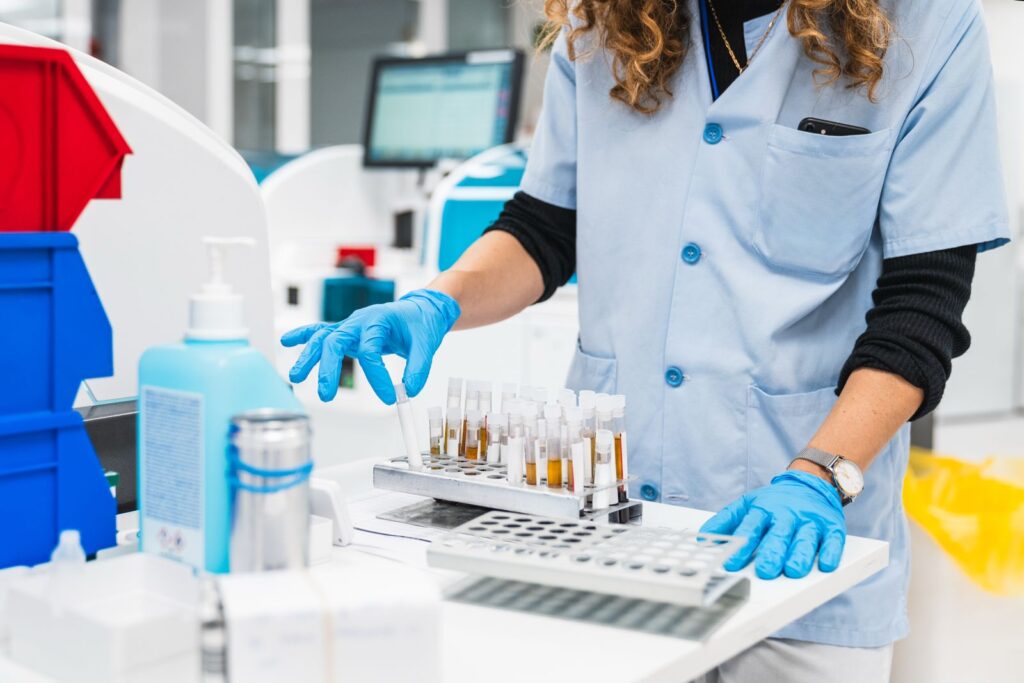
Accurate diagnosis relies on laboratory testing combined with symptoms. The core panel includes total testosterone, free testosterone or calculated free testosterone, sex-hormone binding globulin (SHBG), luteinizing hormone (LH), and follicle-stimulating hormone (FSH).
Important additional labs: estradiol, complete blood count (hematocrit and hemoglobin), prostate-specific antigen (PSA), comprehensive metabolic panel (CMP) for liver and kidney function, and fasting lipids and glucose for cardiometabolic risk.
Timing matters: draw testosterone in the morning, ideally between 7:00 and 10:00 AM, and repeat a second test on a different day to confirm low levels. Reference ranges vary, but symptomatic men with total testosterone consistently below 300 ng/dL often qualify for treatment evaluations.
Understanding Treatment Options
Treatment depends on goals: symptom relief, fertility preservation, or both. Options include testosterone replacement therapy (TRT) via injections, gels, transdermal patches, or pellets; and adjuncts like human chorionic gonadotropin (HCG) for fertility support.
Testosterone Replacement Therapy Protocols
Common TRT protocols:
- Intramuscular injections: Testosterone cypionate or enanthate. Typical dosing is 50-100 mg twice weekly or 100-200 mg once weekly. More frequent, lower dosing gives smoother levels and fewer mood swings.
- Topical gels: 1% to 2% gels applied daily. Dosing examples are 50 mg or 100 mg gel providing roughly 50-100 mg testosterone per day equivalent. Rotate application site and avoid skin-to-skin transfer.
- Transdermal patches: Applied nightly. Patches can cause skin irritation in some men.
- Subcutaneous pellets: Implanted every 3-6 months delivering steady dosing. This requires procedure-based placement.
Choice depends on preference, cost, comorbidities, and lifestyle. Injections are cost-effective and well tolerated. Gels are convenient but carry transfer risk to partners and children. Pellets avoid daily dosing but require minor surgery.
HCG Therapy and Fertility Considerations
HCG mimics LH, stimulating testicular testosterone production and preserving spermatogenesis. Typical HCG dosing ranges from 250 IU every other day to 500-1500 IU two to three times weekly, depending on goals and baseline fertility.
Men wishing to maintain or restore fertility often use HCG alone or in combination with TRT. Clomiphene citrate is another option for men who want to boost endogenous testosterone without exogenous testosterone.
Monitoring and Safety During Treatment
Initial follow-up should occur 6-12 weeks after starting or changing therapy to check testosterone levels, hematocrit, and symptoms. Thereafter monitor at 3-6 month intervals for the first year, then annually if stable.
Key safety concerns:
- Polycythemia: Hematocrit can rise; keep below 54 percent. Therapeutic phlebotomy or dose adjustment may be needed.
- Prostate health: Monitor PSA and digital rectal exam based on age and risk factors. TRT may increase PSA mildly but is not approved to treat prostate cancer.
- Cardiovascular risk: Review cardiac history, lipids, blood pressure, and glucose. Optimize cardiac risk factors before and during therapy.
Natural and Lifestyle Strategies to Boost Testosterone
Medical therapy is not the only route. Lifestyle changes can improve testosterone and amplify TRT benefits. Focus on weight loss if overweight, resistance training, adequate protein intake, and quality sleep.
Specific steps:
- Do strength training 3 times per week to increase lean mass and boost testosterone naturally.
- Lose 5-10 percent body weight if BMI is elevated; even small reductions improve hormone profiles.
- Optimize sleep – aim for 7-9 hours nightly. Sleep apnea treatment can raise testosterone in affected men.
- Correct vitamin D deficiency and ensure adequate zinc and magnesium through diet or targeted supplements if deficient.
Finding a Qualified TRT Provider in California
Choose a provider experienced in male hormone care. In California, look for urologists, endocrinologists, or primary care physicians with hormone-focused training. Telehealth clinics can offer consultations, but ensure they arrange local lab testing and periodic in-person exams.
Ask potential clinics these questions: who manages my labs, how often will I be monitored, what is the plan for fertility preservation, and how are side effects handled? Patient reviews and clear protocols are helpful decision factors.
Practical Example: A Typical Patient Journey
Example: A 52-year-old male reports low energy, reduced libido, and 12 pounds weight gain over 9 months. Morning total testosterone 260 ng/dL on two tests, hematocrit 44 percent, PSA normal. After shared decision-making, he starts testosterone cypionate 75 mg twice weekly and follows up at 8 weeks.
At follow-up his average testosterone levels are within target range, energy improves, and hematocrit is stable. He adds twice-weekly resistance sessions and loses 6 pounds in 12 weeks. If fertility were important, HCG would be considered concurrently.
Frequently Asked Questions
How low does testosterone need to be to start treatment?
Most clinicians consider treatment when symptomatic men have consistently low morning total testosterone, often below 300 ng/dL, confirmed on at least two occasions. Decision-making also factors in free testosterone, symptoms, age, and comorbidities. Shared decision-making with a clinician is essential.
Will TRT make me infertile?
Exogenous testosterone often suppresses sperm production and can reduce fertility. Men who want to preserve fertility should discuss alternatives like HCG or clomiphene, or plan for sperm banking before starting TRT. A fertility specialist can help design a fertility-sparing plan.
How often do I need blood tests on TRT?
Initial labs at 6-12 weeks after starting or changing therapy, then every 3-6 months during the first year, and annually if stable. Monitor testosterone levels, hematocrit, PSA, and metabolic labs as recommended by your provider. More frequent checks may be needed for dose adjustments.
Can lifestyle changes reverse low testosterone?
Lifestyle changes can raise testosterone, especially in men with obesity or poor sleep. Weight loss, resistance training, sleep optimization, and treating sleep apnea can produce meaningful improvements. However, men with true hypogonadism may still need medical therapy for symptom relief.
Is HCG necessary with TRT?
HCG is not required for all men but is recommended for those concerned about fertility or testicular size. It preserves intratesticular testosterone and sperm production. Discuss dosing and monitoring with a clinician experienced in male reproductive health.
Where can I get TRT in California?
You can start with a primary care doctor, urologist, or endocrinologist who manages hormones. Many California clinics and telehealth services offer TRT, but confirm they provide comprehensive lab monitoring and clear follow-up plans. Local labs like Quest or LabCorp perform the recommended blood tests.
Conclusion
Low testosterone in men over 45 is common but treatable. Accurate diagnosis, an individualized treatment plan that considers fertility, diligent monitoring, and lifestyle modification produce the best outcomes. If you suspect low testosterone, collect symptom notes and morning labs, then consult a qualified clinician to create a safe, effective plan tailored to your goals.
Disclaimer
This blog is for informational and educational purposes only and does not constitute medical advice, diagnosis, or treatment. The content provided is based on general health information and research available as of the publication date. Individual health conditions vary, and what works for one person may not be appropriate for another.
Always consult with a qualified healthcare provider before starting any new treatment, including testosterone replacement therapy (TRT), making changes to existing treatments, or if you have questions about your specific health condition. Never disregard professional medical advice or delay seeking it because of information you read on this blog.
If you are experiencing a medical emergency, call 911 or your local emergency services immediately. The information on this website does not create a doctor-patient relationship and should not be used as a substitute for professional medical advice, diagnosis, or treatment.