
Suspecting low testosterone can feel confusing. Men often notice gradual changes such as low libido, erectile dysfunction, fatigue, unexplained weight gain, muscle loss, and mood shifts. Accurate diagnosis matters because symptoms overlap with other conditions and lab results vary by time of day and lab method.
This guide explains a clear, step-by-step approach to diagnosing low testosterone in California clinics and via telehealth. You will learn which symptoms to track, which labs to order, how providers interpret results, and practical next steps including fertility-preserving options like HCG therapy and natural strategies to support hormones.
Step 1: Recognize the key symptoms
Start with a symptom checklist before your appointment. Symptoms that commonly correlate with hormonal decline include:
- Low libido or decreased sexual thoughts
- Erectile dysfunction new or worsening
- Persistent fatigue not explained by sleep or lifestyle
- Unintentional weight gain and increased body fat
- Loss of muscle mass and strength
- Low motivation, irritability, or depressive symptoms
Document severity and onset. For example, note if low libido started gradually over 12 months or abruptly over 4 weeks. That detail helps clinicians rule out alternate causes such as depression or medication side effects.
Step 2: Prepare for your clinic visit or telehealth consult
Bring a concise health summary. Include current medications, prior lab results, and lifestyle factors like alcohol use, sleep hours, and exercise frequency. Also prepare a list of questions about treatment goals, fertility concerns, and monitoring plans.
Ask the clinic if they prefer labs at LabCorp, Quest, or another local facility. In California, most TRT clinics accept standard national labs and offer same-day telehealth follow up.
Step 3: Which labs to order and timing
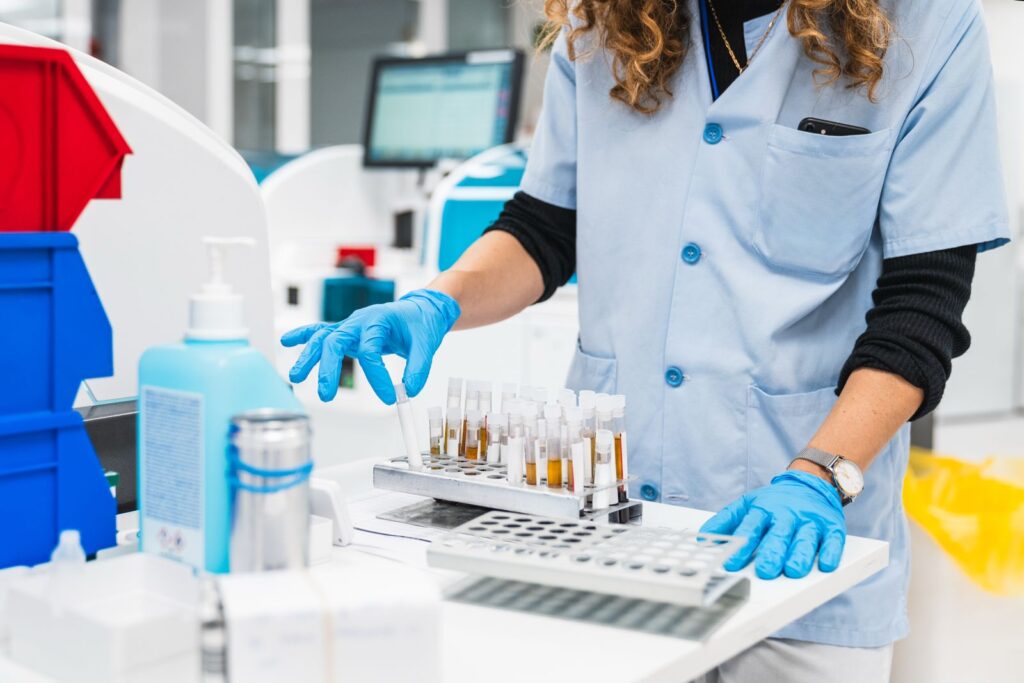
Lab selection and timing are critical. Order tests in the morning between 7 AM and 10 AM when testosterone levels peak. Important baseline labs include:
- Total testosterone (primary screening test)
- Free testosterone or calculated bioavailable testosterone
- Sex hormone binding globulin (SHBG)
- Luteinizing hormone (LH) and follicle-stimulating hormone (FSH)
- Prolactin if symptoms suggest pituitary issues
- Complete blood count (CBC) and comprehensive metabolic panel (CMP)
- Fasting glucose or A1c, lipids, and liver function tests
- Prostate specific antigen (PSA) for men over 40 or with prostate issues
If total testosterone is borderline, repeat the morning test on a separate day to confirm. Always correlate labs with symptoms; low lab values with no symptoms may not require treatment.
Interpreting lab results
Labs vary by lab assay, but general reference ranges are useful. Many labs list total testosterone reference of roughly 300-1000 ng/dL. However, clinical decision-making focuses on symptoms and consistent low values. Typical diagnostic steps:
- Two morning total testosterone tests under 300 ng/dL plus symptoms suggests biochemical low testosterone.
- Low total T with low LH indicates secondary hypogonadism, prompting pituitary evaluation.
- Low total T with high LH suggests primary testicular failure.
Free testosterone can be more informative when SHBG is abnormal, such as in older men or those with obesity or thyroid disease.
When to refer to an endocrinologist or urologist
Refer if initial labs show abnormal LH/FSH suggesting pituitary disease, very low testosterone under 150 ng/dL, high prolactin, or suspicious findings on PSA. Also refer men with fertility goals before starting standard TRT, because exogenous testosterone can suppress sperm production.
TRT protocols and practical examples
Once diagnosed, clinicians choose individualized protocols. Common approaches include:
- Testosterone injections – e.g., testosterone cypionate or enanthate given intramuscularly 50-100 mg twice weekly or 100-200 mg once weekly depending on symptom control and peak-trough goals.
- Transdermal gels and patches – daily application to keep stable levels, useful for steady-state dosing.
- Subcutaneous injections – an alternative to IM with similar dosing schedules and easier self-administration for some patients.
Example scenario: A 42-year-old man with fatigue and libido loss had baseline total T 220 ng/dL. Provider started 75 mg testosterone twice weekly. At 8 weeks his total T rose to 520 ng/dL and symptoms improved. Hematocrit was monitored and remained under 50 percent.
HCG therapy and fertility preservation
HCG preserves testicular function and sperm production when fertility is a goal. Providers commonly add human chorionic gonadotropin (HCG) when men want to avoid testicular atrophy. Typical regimens range from 500 IU to 1500 IU given two or three times weekly depending on response.
For men actively trying to conceive, some clinicians recommend HCG with or without selective estrogen modulators like clomiphene citrate rather than standard TRT. Always discuss fertility goals prior to starting treatment.
Monitoring and safety
Initial monitoring typically occurs at 3 months, 6 months, and then annually. Key safety checks include:
- CBC and hematocrit to screen for erythrocytosis
- PSA for prostate monitoring in men over 40
- Liver enzymes and metabolic panels when indicated
- Estradiol if symptoms of gynecomastia or mood changes appear
Adjust doses to maintain symptomatic relief with safe lab parameters. If hematocrit exceeds 54 percent, reduce dose or interrupt therapy and evaluate for causes.
Complementary natural strategies
Medical therapy and lifestyle changes work together. Evidence-based natural strategies include:
- Resistance training 3-5 times per week to build muscle and support testosterone
- Weight loss – reducing excess body fat improves testosterone in many men
- Sleep optimization – aim for 7-9 hours nightly because poor sleep lowers testosterone
- Vitamin D and zinc correction when deficient
- Limit alcohol and remove unnecessary medications that blunt hormones
Combining lifestyle shifts with monitored TRT often produces the best functional outcomes.
Practical checklist for patients
Before your visit, complete this short checklist:
- Record symptoms for 4-12 weeks with severity ratings
- List all medications and supplements
- Schedule morning labs between 7 AM and 10 AM
- Discuss fertility goals and whether you want children in the near future
- Agree on a monitoring schedule with your provider
Clear communication and realistic expectations reduce treatment surprises and improve satisfaction.
Frequently Asked Questions
How is low testosterone diagnosed?
Low testosterone is diagnosed by correlating consistent morning lab values with symptoms. Clinicians usually confirm with two morning total testosterone tests, add free testosterone or SHBG if needed, and evaluate LH and FSH to determine the cause.
What are normal testosterone levels for men?
Reference ranges vary by lab, but many labs list total testosterone roughly 300-1000 ng/dL. Clinical decisions depend on symptoms and repeated measurements rather than a single cutoff.
Will TRT affect my fertility?
Standard TRT can reduce sperm production and impair fertility. If you want children, discuss HCG therapy or alternative regimens like clomiphene with your provider before starting testosterone.
How long until I feel better on TRT?
Some men notice improved energy and libido in 2-6 weeks, while muscle gains and body composition changes may take 3-6 months. Individual response varies and depends on dose, baseline health, and adherence.
What tests monitor safety on TRT?
Providers monitor CBC/hematocrit, PSA for older men, liver function when indicated, and repeat testosterone levels to ensure efficacy. Monitoring at 3 months, 6 months, and annually is common.
Is HCG necessary with TRT?
HCG is not required for symptom control, but it preserves testicular size and fertility by stimulating endogenous testosterone production. Consider HCG if preserving fertility is a priority.
Can lifestyle changes raise testosterone?
Yes. Weight loss, resistance training, quality sleep, and correcting nutrient deficiencies like vitamin D and zinc can raise testosterone and improve symptoms alongside or sometimes instead of medical therapy.
Disclaimer
This blog is for informational and educational purposes only and does not constitute medical advice, diagnosis, or treatment. The content provided is based on general health information and research available as of the publication date. Individual health conditions vary, and what works for one person may not be appropriate for another.
Always consult with a qualified healthcare provider before starting any new treatment, including testosterone replacement therapy (TRT), making changes to existing treatments, or if you have questions about your specific health condition. Never disregard professional medical advice or delay seeking it because of information you read on this blog.
If you are experiencing a medical emergency, call 911 or your local emergency services immediately. The information on this website does not create a doctor-patient relationship and should not be used as a substitute for professional medical advice, diagnosis, or treatment.