

Many men in their 40s notice slow changes: less energy, fading gym gains, or weaker sex drive. These symptoms may signal low testosterone, a treatable condition that affects mood, body composition, and overall quality of life.
This guide explains how to evaluate symptoms, get accurate lab testing, and choose safe, effective treatment paths including testosterone replacement therapy (TRT), HCG support, and natural approaches. The goal is to give practical steps you can follow today to start feeling better.
Read on for actionable advice, real-world examples, monitoring protocols, and how to find qualified TRT services in California if you live there. You will leave with a clear patient roadmap and concrete next steps.
Recognize the Symptoms and Start Tracking
Low testosterone often presents with a cluster of symptoms rather than one single sign. Common issues include erectile dysfunction, low libido, fatigue, weight gain, muscle loss, and mood changes.
Begin with a 2-week symptom log. Record energy levels, sleep quality, morning erections, and gym performance. This record helps your clinician correlate symptoms with lab results and rules out temporary causes like stress or illness.
Get the Right Lab Testing
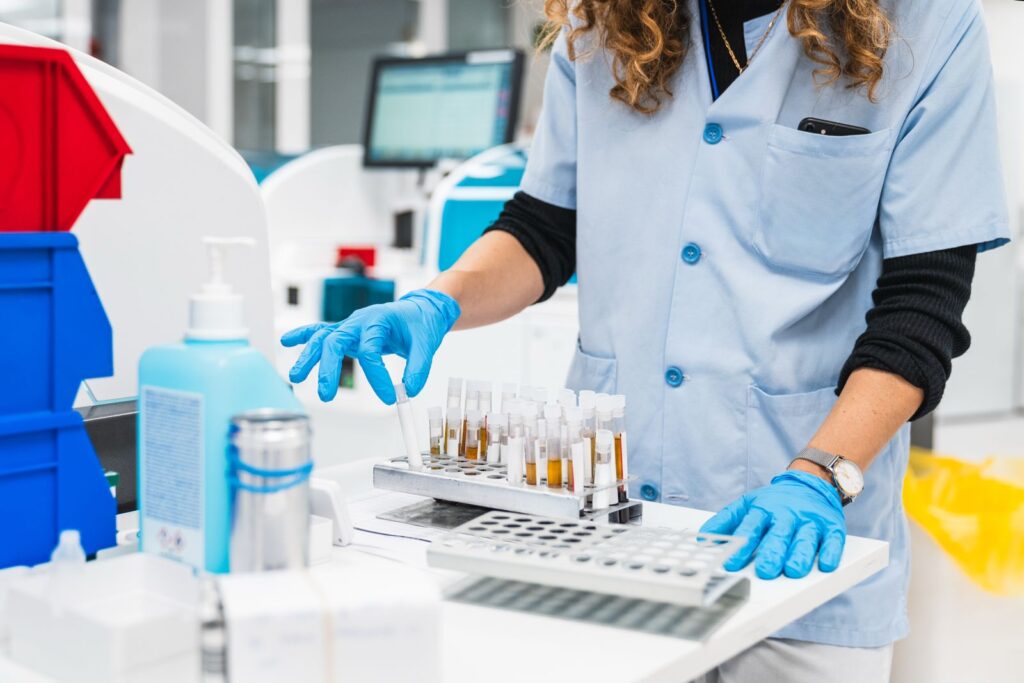
Accurate diagnosis depends on specific blood tests taken at the right time. Testosterone levels follow a daily rhythm, so morning draws are essential.
- Total testosterone (drawn between 7am and 10am)
- Free testosterone or calculated free testosterone
- Sex hormone-binding globulin (SHBG)
- Luteinizing hormone (LH) and follicle-stimulating hormone (FSH) to determine testicular vs central causes
- Prolactin if symptoms suggest pituitary issues
- CBC, liver enzymes, PSA, and lipid panel for baseline safety
Most clinicians confirm low levels with two separate morning tests taken 1-4 weeks apart. If you live in California, look for clinics offering comprehensive endocrine panels and same-week appointments.
Understand Treatment Options
Treatment choice depends on your goals, test results, and medical history. Options include observation, lifestyle changes, medical TRT, and combination therapies with HCG.
Conservative and natural approaches
For borderline cases, try targeted lifestyle interventions for 3 months before medication. These include weight loss, resistance training, improved sleep, and dietary changes.
- Strength training 3-4 times per week to boost muscle mass and stimulate testosterone production
- Sleep 7-9 hours nightly and treat sleep apnea if present
- Limit sugar and refined carbohydrates to lower insulin resistance
- Optimize vitamin D, zinc, and magnesium if deficient
Medical testosterone replacement therapy (TRT)
TRT is indicated when labs confirm low testosterone and symptoms persist. Common delivery methods include intramuscular injections, transdermal gels, and subcutaneous pellets.
Typical injection protocols start with 50-200 mg every 7-14 days or a divided dosing schedule to reduce peaks and troughs. Gels are applied daily and require skin-contact precautions. Pellets are implanted every 3-6 months by a trained clinician.
HCG therapy and fertility preservation
Human chorionic gonadotropin (HCG) mimics LH and stimulates testicular testosterone production. Use HCG if you want to maintain or restore fertility while receiving TRT.
Common HCG dosing is 500-2000 IU two to three times per week, adjusted by semen analysis and testosterone levels. Some clinics combine low-dose TRT with HCG to preserve testicular volume and fertility potential.
Monitoring, Safety, and Side Effects
Safety monitoring is essential. Expect labs at baseline, then at 3 months, 6 months, and annually once stable. These should include testosterone, hematocrit, PSA, liver function, and lipid profile.
Potential side effects include increased red blood cell count, acne, breast tenderness, and mood swings. If hematocrit rises above 54 percent, clinicians often adjust dose or schedule a therapeutic phlebotomy.
Cardiac and prostate considerations
Current evidence suggests TRT is safe for most men without active prostate cancer. Still, baseline PSA and digital rectal exam results guide follow-up. Men with significant cardiac disease need individualized risk assessment before starting TRT.
Practical Patient Roadmap
- Track symptoms for 2 weeks and note lifestyle factors.
- Get morning labs: total and free testosterone, SHBG, LH, FSH, CBC, PSA, and metabolic panel.
- Review results with a clinician experienced in male hormones; ask about fertility goals.
- If indicated, start a monitored TRT protocol and consider HCG if fertility matters.
- Re-check labs at 3 months and adjust dose to clinical and lab targets.
Example: A 45-year-old man with total testosterone 240 ng/dL, low libido, and preserved fertility may choose TRT plus HCG to relieve symptoms without compromising sperm production.
Finding Quality Care in California
When selecting a clinic, prioritize board-certified endocrinologists or urologists and clinics with in-house lab services. Look for transparent protocols, written consent forms, and clear follow-up schedules.
Ask prospective clinics these questions: Do you perform morning testosterone testing? How do you monitor hematocrit and PSA? Can you coordinate fertility preservation? Clinics that provide written plans and patient education materials tend to deliver safer care.
Natural Boosting Strategies That Complement Treatment
Even when using TRT, lifestyle measures improve outcomes and reduce required medication doses. Combine medical therapy with resistance training, protein-focused nutrition, and weight management.
- High-intensity interval training once or twice weekly to improve metabolic health
- Daily protein intake of 0.7-1.0 g per pound of body weight when trying to regain muscle
- Stress reduction through meditation or therapy to lower cortisol-related testosterone suppression
Small, consistent changes often produce meaningful symptom relief within 6-12 weeks.
When to Seek Urgent Care
Contact your clinician promptly for sudden swelling, chest pain, vision changes, or severe mood changes. Also report symptoms of clotting or very rapid increases in hematocrit.
Routine follow-up prevents complications and helps fine-tune therapy so you can enjoy benefits with minimal risk.
Frequently Asked Questions
What are common signs of low testosterone in men in their 40s?
Common signs include low libido, erectile dysfunction, persistent fatigue, decreased muscle mass, increased body fat, and mood changes like irritability or low motivation. Symptoms are often subtle and develop gradually, so tracking changes over weeks helps identify a pattern.
How is low testosterone diagnosed accurately?
Diagnosis requires at least two morning blood tests showing low total and/or free testosterone, plus a consistent symptom profile. Additional tests such as LH, FSH, SHBG, and prolactin determine whether the cause is testicular or central.
Is testosterone replacement therapy safe for long-term use?
When properly monitored, TRT is safe for most men and improves energy, sexual function, and muscle mass. Regular lab checks for hematocrit, PSA, and liver function are required to minimize risks and catch side effects early.
What role does HCG play in fertility during TRT?
HCG stimulates the testes to produce testosterone and sperm, making it useful for men who want to preserve or restore fertility while on TRT. Clinicians tailor HCG dosing based on semen analyses and testosterone levels.
Can lifestyle changes reverse low testosterone?
In borderline cases, weight loss, regular resistance training, improved sleep, and correcting nutrient deficiencies can raise testosterone to normal levels. However, men with significantly low lab values often need medical therapy in addition to lifestyle changes.
How soon will I notice improvement after starting TRT?
Many men notice increased energy and libido within 2 to 6 weeks, with fuller effects on muscle mass and mood by 3 to 6 months. Individual response varies based on dose, delivery method, and baseline health.
Conclusion
Low testosterone in your 40s is common and treatable. Start with symptom tracking and morning labs, then work with a knowledgeable clinician to choose a tailored strategy that fits your goals, including fertility concerns. Combine medical therapy with lifestyle changes to maximize benefits and minimize risks.
If you live in California, prioritize clinics that offer comprehensive testing, clear monitoring plans, and fertility-preserving options like HCG. With the right plan, most men regain energy, sexual function, and strength within a few months.
Disclaimer
This blog is for informational and educational purposes only and does not constitute medical advice, diagnosis, or treatment. The content provided is based on general health information and research available as of the publication date. Individual health conditions vary, and what works for one person may not be appropriate for another.
Always consult with a qualified healthcare provider before starting any new treatment, including testosterone replacement therapy (TRT), making changes to existing treatments, or if you have questions about your specific health condition. Never disregard professional medical advice or delay seeking it because of information you read on this blog.
If you are experiencing a medical emergency, call 911 or your local emergency services immediately. The information on this website does not create a doctor-patient relationship and should not be used as a substitute for professional medical advice, diagnosis, or treatment.