

Losing weight should improve energy and confidence, not leave you exhausted and flat. Many men find that calorie cuts and increased activity unmask low testosterone symptoms such as low libido, fatigue, muscle loss, and mood changes. Understanding when low testosterone is a driver and how to treat it safely helps keep weight-loss progress on track.
This guide explains how to recognize hormonal decline during weight loss, what laboratory testing to order, practical treatment options including TRT and HCG, and lifestyle tactics that boost testosterone naturally. It is written for men in California seeking clear, actionable steps and real-world examples.
Why low testosterone shows up during weight loss
Cutting calories, increasing cardio, and higher stress can lower testosterone temporarily. Illness, inadequate protein intake, and sleep loss also reduce hormone production. In other cases, age-related decline or preexisting hypogonadism is the main cause.
Recognize the pattern: if you lose fat but experience worsening energy, weaker erections, or muscle loss, check hormones. Symptoms that persist for 2-3 months despite basic lifestyle changes merit lab testing.
Initial assessment: symptoms and baseline labs
Start with a targeted symptom checklist. Mark whether you have low libido, erectile dysfunction, persistent fatigue, cognitive fog, reduced strength, or unexplained weight gain in the midsection.
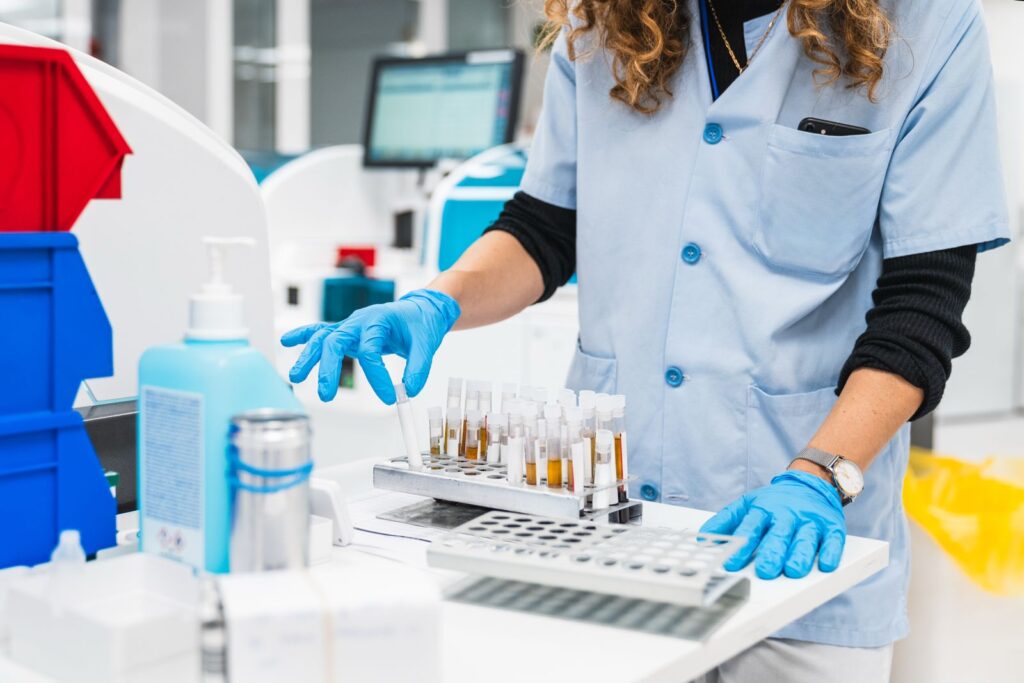
Order morning labs between 7 and 10 AM to get reliable testosterone values. Recommended baseline tests include:
- Total testosterone (morning sample)
- Free testosterone or calculated free testosterone
- Sex hormone binding globulin – SHBG
- Luteinizing hormone – LH and follicle stimulating hormone – FSH
- Estradiol, prolactin, and metabolic panel including lipids
- Complete blood count for hematocrit and hemoglobin
- PSA for men over 40 or with prostate history
Repeat low testosterone readings on a separate day to confirm. A single low test is not diagnostic of chronic hypogonadism.
Interpreting results and clinical thresholds
Most clinics consider total testosterone under 300 ng/dL to be low, though symptoms and free testosterone matter. Free testosterone below lab reference ranges, or low total paired with low LH, suggests primary versus secondary hypogonadism.
Example: a 42-year-old man loses 25 pounds but reports no energy and low libido. Two morning totals are 260 and 270 ng/dL with low-normal LH, and free testosterone low. This pattern supports discussing testosterone replacement options.
TRT protocols that work with weight-loss goals
Choose a delivery method that fits your lifestyle. Common medical protocols with examples include:
- Intramuscular injections – Testosterone cypionate or enanthate 50-200 mg weekly or 100 mg twice weekly for stable levels.
- Subcutaneous injections – Lower-volume dosing 40-100 mg every 2-3 days can be well tolerated and easy to self-administer.
- Topical gels – Daily application with doses adjusted to reach target testosterone range; watch for transfer risk to partners.
- Pellets – Implanted every 3-6 months in select patients; useful if adherence is an issue but less dose flexibility.
Target a physiological range rather than supraphysiologic levels. Many clinicians aim for total testosterone between 400 and 700 ng/dL depending on symptoms.
HCG and fertility-preserving strategies
Because exogenous testosterone suppresses spermatogenesis, men who want children should avoid standalone TRT or add fertility-sparing therapy. Human chorionic gonadotropin – HCG – mimics LH and supports testicular testosterone production and sperm health.
Typical HCG dosing: 250-500 IU subcutaneously 2 to 3 times per week. For couples actively trying to conceive, combine HCG with or instead of clomiphene citrate or gonadotropin therapy under specialist care.
Monitoring and safety: what to check and when
After initiating therapy, check labs at 6-8 weeks until stable, then every 3-6 months. Monitor:
- Total and free testosterone to ensure target range
- Hematocrit – stop or adjust dose if hematocrit rises above 52-54 percent
- PSA – baseline and periodic checks based on age and risk
- Liver enzymes if using oral agents or as clinically indicated
- Estradiol if symptoms of estrogen excess appear – gynecomastia or water retention
Adjust dosing rather than chasing a single lab value. If hematocrit elevates, address sleep apnea, dehydration, or reduce dose. Therapeutic venesection is an option for persistent high hematocrit with physician guidance.
Nutrition, training, and lifestyle steps to support testosterone and weight loss
Combine medical therapy with concrete lifestyle interventions. Examples that reliably improve testosterone and body composition include:
- Resistance training 3-4 times per week with compound lifts to preserve and build lean mass
- Protein intake of 0.7-1.0 g per pound of body weight to support muscle during calorie deficit
- Sleep 7-9 hours nightly to support recovery and hormone production
- Vitamin D repletion if deficient – many men in California remain low despite sun exposure
- Limit alcohol and manage stress – both blunt testosterone production
Even a 5-10 percent reduction in body weight through targeted training and protein-focused diet often raises endogenous testosterone and improves insulin sensitivity.
California-specific access and care pathways
In California, telemedicine TRT clinics and in-person endocrinologists both offer care. Use accredited labs like LabCorp or Quest Diagnostics for consistent testing. If you prefer in-person follow-up, look for urology or endocrinology clinics that list fertility-preserving options.
Insurance coverage varies. Document symptoms, repeat low labs, and include BMI or weight-loss intent when appealing denials. Many clinics offer self-pay programs with transparent pricing for hormone panels and follow-up.
Practical 12-week plan
- Week 0: Symptom checklist and morning labs. Baseline PSA and CBC.
- Weeks 1-4: Implement sleep, resistance training, and protein changes. Reassess symptoms.
- Week 6-8: If labs confirm low testosterone and symptoms persist, discuss therapy. Consider a supervised trial of TRT or clomiphene based on fertility goals.
- Week 10-12: Recheck testosterone and hematocrit if on therapy. Adjust dose for symptom response and lab targets.
This staged approach avoids unnecessary medication and clarifies whether lifestyle measures are sufficient.
Frequently Asked Questions
Can I start TRT while trying to lose weight?
You can start TRT during a weight-loss program if labs confirm low testosterone and symptoms impair progress. Discuss fertility plans first; add HCG or consider clomiphene if you want to preserve sperm production.
Will testosterone replacement make me gain weight?
TRT commonly increases lean mass and may increase water retention briefly, while reducing fat mass over time. Weight may not drop immediately, but body composition typically improves with resistance training and adequate protein.
How long before I feel better on TRT?
Energy and mood often improve within 2-6 weeks, while sexual function and muscle gains may take 6-12 weeks. Individual response varies, so monitor symptoms and labs to guide dose adjustments.
What labs do I need before starting TRT?
Obtain morning total and free testosterone, SHBG, LH, FSH, estradiol, CBC for hematocrit, metabolic panel, and PSA for appropriate age. Repeat low values on a separate day to confirm diagnosis.
Does TRT affect fertility permanently?
Exogenous testosterone suppresses the hypothalamic-pituitary-gonadal axis and can reduce sperm counts. Fertility impact is usually reversible, but recovery can take months; use HCG or alternative therapies to preserve fertility.
Is HCG required when starting TRT?
HCG is not required for all men, but it is recommended for men who want to maintain fertility or testicular size. Discuss risks, dosing, and monitoring with your clinician before adding HCG.
Disclaimer
This blog is for informational and educational purposes only and does not constitute medical advice, diagnosis, or treatment. The content provided is based on general health information and research available as of the publication date. Individual health conditions vary, and what works for one person may not be appropriate for another.
Always consult with a qualified healthcare provider before starting any new treatment, including testosterone replacement therapy (TRT), making changes to existing treatments, or if you have questions about your specific health condition. Never disregard professional medical advice or delay seeking it because of information you read on this blog.
If you are experiencing a medical emergency, call 911 or your local emergency services immediately. The information on this website does not create a doctor-patient relationship and should not be used as a substitute for professional medical advice, diagnosis, or treatment.