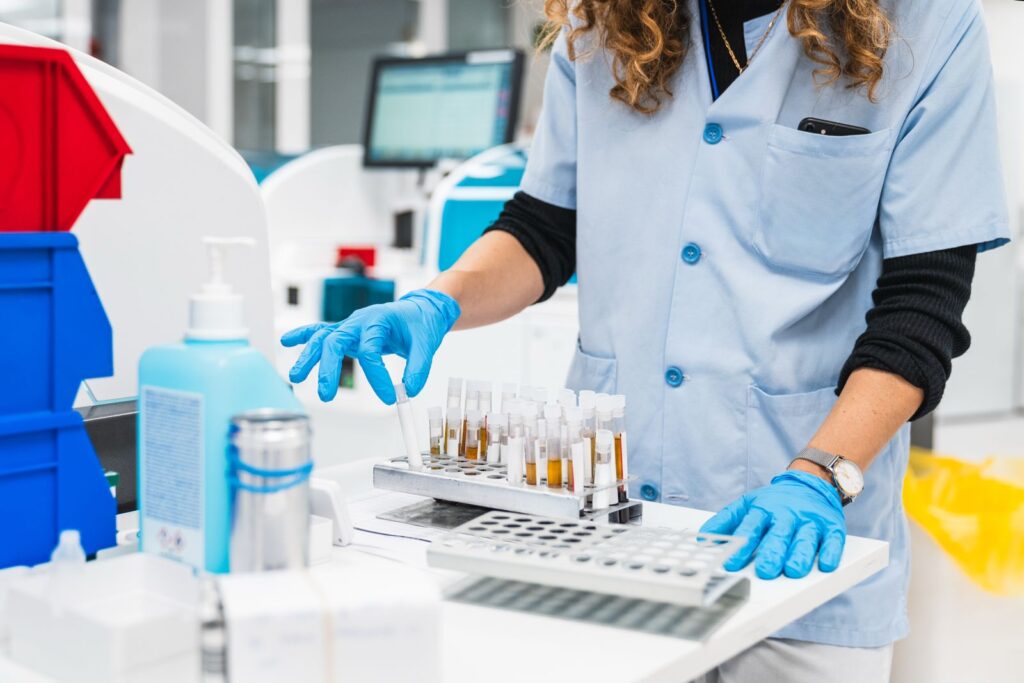


Testosterone replacement therapy, or TRT, is a common treatment for men with clinically low testosterone. Men experience a wide range of symptoms that can impair quality of life, from low libido and erectile dysfunction to fatigue, mood changes, and muscle loss. This guide explains how diagnosis works, what to expect from treatment, and safe options available in California and beyond.
Below you will find clear steps for symptom recognition, laboratory benchmarks, protocol examples including HCG use, monitoring checklists, and practical lifestyle strategies to support hormone health. The goal is to help you make informed decisions and prepare productive conversations with providers.
Read this breakdown for a realistic patient journey, real-world dosing examples, and actionable tips to reduce risk while maximizing benefits. This is educational content and not a substitute for medical advice; consult a licensed clinician to start or adjust therapy.
Recognizing Low Testosterone: Symptoms and Self-Assessment
Low testosterone often develops gradually. Symptoms can be subtle at first and become more noticeable over months to years.
- Sexual health: low libido, fewer spontaneous erections, erectile dysfunction.
- Energy and mood: persistent fatigue, depressive mood, decreased motivation.
- Body composition: increased body fat, reduced muscle mass and strength.
- Other signs: poor concentration, hot flashes, reduced beard growth.
Use a simple self-check: if you have three or more of these symptoms for more than three months, consider laboratory testing. Document symptom onset, severity, and impact on daily life to share with your clinician.
Laboratory Diagnosis: What Tests Matter
Accurate diagnosis requires morning lab testing and a review of symptoms. Total testosterone remains the cornerstone test; values under 300 ng/dL are commonly considered low in adult men, though individual thresholds vary.
- Timing: draw labs between 7-10 AM for circadian accuracy.
- Primary tests: total testosterone, free testosterone or calculated free testosterone, sex hormone-binding globulin (SHBG).
- Secondary tests: luteinizing hormone (LH), follicle-stimulating hormone (FSH), estradiol, prolactin, complete metabolic panel, lipid panel, hematocrit, and PSA when appropriate.
Interpreting labs: low total testosterone with low LH suggests central causes; low testosterone with high LH suggests primary testicular dysfunction. Elevated estradiol can worsen symptoms and may require management.
TRT Protocols: Options, Dosing Examples, and Goals
TRT comes in several delivery methods. A provider will tailor a plan based on your labs, preferences, and risk profile.
- Intramuscular injections: testosterone cypionate or enanthate. Typical dosing ranges from 50-200 mg per week, or 100-200 mg every 7-14 days depending on trough-peak management. Many clinicians divide doses to reduce peaks and troughs.
- Subcutaneous injections: used increasingly for stable levels and patient comfort; dosing mirrors intramuscular regimens but is given under the skin.
- Transdermal gels/patches: daily application delivering steady levels; good for those who prefer non-injectable therapy but watch for transfer to partners.
- Long-acting formulations: include undecanoate injections at longer intervals; dosing is less frequent but follow-up is still required.
Goals: restore testosterone to mid-normal laboratory range, improve symptoms, and avoid complications like polycythemia. Expect improvement in energy and libido within weeks, and strength and body composition gains within months.
HCG Therapy: When to Use It and How
Human chorionic gonadotropin, or HCG, mimics LH and stimulates testicular testosterone production. It is often used to preserve fertility while on TRT or as monotherapy for men with secondary hypogonadism.
- Common dosing: 250-1,000 IU given 2-3 times per week, individualized by provider.
- Use cases: men planning to have children, those who want to maintain testicular size, or as adjunctive therapy to avoid testicular atrophy.
- Monitoring: check semen analysis if fertility is a goal, and monitor testosterone, estradiol, and hematocrit.
HCG can be combined with standard TRT or used alone under close supervision. Discuss fertility desires before initiating therapy.
Safety and Monitoring: Essential Checks During TRT
Safety monitoring reduces risk and optimizes outcomes. Establish baseline testing then follow a schedule based on clinical response.
- Baseline: total testosterone, free testosterone, hematocrit, PSA, lipid panel, liver enzymes, estradiol.
- Follow-up: repeat testosterone and hematocrit at 6-12 weeks after starting or changing dose, then every 3-6 months in year one. PSA and lipids at 6-12 months or earlier if indicated.
- Manage hematocrit above 52-54% by dose reduction, increasing interval between injections, or therapeutic phlebotomy as directed by a clinician.
Be aware of symptoms of high estradiol and consult your provider before using estrogen-blocking medications; indiscriminate use of aromatase inhibitors can cause joint pain and worsen bone health.
Natural Strategies to Support Testosterone
Lifestyle changes can improve endogenous testosterone and enhance TRT results. Combine medical treatment with practical habits for best effect.
- Sleep: prioritize 7-9 hours nightly; poor sleep reduces testosterone by interfering with nocturnal production.
- Nutrition: reduce processed carbs, prioritize lean protein and healthy fats, and maintain a caloric balance to reach a healthy body weight.
- Exercise: resistance training and high-intensity interval training increase testosterone and build muscle.
- Micronutrients: correct vitamin D deficiency and ensure adequate zinc and magnesium after testing and guidance.
- Limit substances: avoid heavy alcohol use and anabolic steroids outside medical supervision; both can harm the hypothalamic-pituitary-gonadal axis.
These measures are useful whether you pursue TRT or aim to boost natural production before deciding on therapy.
Patient Journey: From First Concern to Ongoing Care
Expect a staged approach: symptom documentation, morning labs, an informed discussion about risks and benefits, and a trial period with a monitoring plan. Most men notice partial symptom relief in 4-12 weeks and more robust gains by 6-12 months.
In California, telemedicine TRT clinics and in-person endocrinologists or urologists both provide care. Use accredited labs such as Quest or Labcorp for consistent results. Always request copies of your labs and a written plan for follow-up.
Frequently Asked Questions
What are common symptoms of low testosterone?
Common symptoms include low libido, erectile dysfunction, fatigue, loss of muscle mass, increased body fat, and mood changes. Symptoms vary by age and individual, and often overlap with other conditions, so labs help confirm the diagnosis.
How is low testosterone diagnosed?
Diagnosis requires documented low morning total testosterone on at least two separate occasions combined with consistent symptoms. Additional tests like free testosterone, LH, FSH, estradiol, and prolactin help identify the underlying cause.
What TRT protocols are commonly used?
Common protocols include intramuscular injections (50-200 mg per week), subcutaneous injections, and transdermal gels or patches. Long-acting formulations exist; your provider will choose based on symptom control, lab response, and personal preference.
What is HCG therapy and when is it used?
HCG stimulates testicular testosterone production and is used to preserve fertility or testicular size while on TRT or as monotherapy for certain cases. Typical dosing is 250-1,000 IU 2-3 times weekly, individualized by a clinician.
What safety tests are required during TRT?
Key monitoring includes testosterone levels, hematocrit, PSA, lipid profile, and liver enzymes. Initial checks occur at baseline, at 6-12 weeks after starting or adjusting dose, then periodically every 3-12 months based on findings.
Can I boost testosterone naturally without TRT?
Yes, many men improve testosterone with lifestyle measures: adequate sleep, resistance exercise, weight loss when needed, and correcting vitamin D or zinc deficiencies. Natural methods may help milder cases but often produce smaller changes than medical therapy.
Conclusion: Testosterone replacement therapy can significantly improve quality of life when properly diagnosed and monitored. Use the symptom checklist and lab benchmarks here to prepare for a thoughtful discussion with a qualified provider. In California and elsewhere, seek care from clinicians who provide clear monitoring plans, fertility counseling, and personalized protocols to balance benefits and safety.
Disclaimer
This blog is for informational and educational purposes only and does not constitute medical advice, diagnosis, or treatment. The content provided is based on general health information and research available as of the publication date. Individual health conditions vary, and what works for one person may not be appropriate for another.
Always consult with a qualified healthcare provider before starting any new treatment, including testosterone replacement therapy (TRT), making changes to existing treatments, or if you have questions about your specific health condition. Never disregard professional medical advice or delay seeking it because of information you read on this blog.
If you are experiencing a medical emergency, call 911 or your local emergency services immediately. The information on this website does not create a doctor-patient relationship and should not be used as a substitute for professional medical advice, diagnosis, or treatment.