

Low testosterone can leave men feeling drained, less motivated, and disconnected from their bodies. If you are noticing erectile dysfunction, low libido, fatigue, muscle loss, or mood changes, a structured approach to diagnosis and treatment can restore energy and function.
This guide walks you through recognizing symptoms, obtaining the right labs, choosing a treatment protocol, adding HCG when fertility matters, and practical follow-up steps. It includes California-specific notes and concrete examples so you can make informed decisions with your provider.
Recognize symptoms and set realistic goals
Start by documenting symptoms over 4-8 weeks. Use a symptom checklist and a simple diary noting sleep, energy, sex drive, and weight changes. Bring this information to your first medical visit to help prioritize testing and treatment goals.
Common low-T signs include erectile dysfunction, low libido, daytime fatigue, loss of muscle mass, increased body fat, and mood changes such as irritability or low motivation. These symptoms overlap with other conditions, so labs are essential.
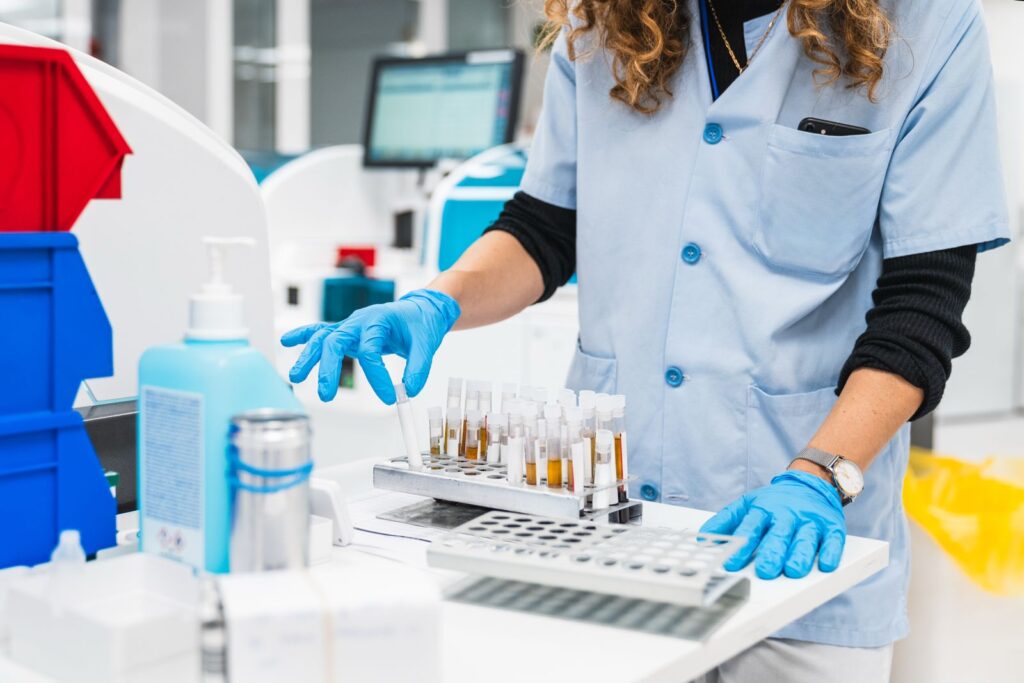
Essential baseline labs and how to prepare
Order a focused panel before starting therapy. Collect blood in the morning between 7 AM and 10 AM, fasting if possible, and after 48 hours without heavy exercise or topical testosterone exposure.
- Total testosterone (morning)
- Free testosterone or calculated free T
- Luteinizing hormone – LH
- Follicle-stimulating hormone – FSH
- Prolactin
- Sex hormone binding globulin – SHBG
- Hematocrit/hemoglobin
- PSA in men over 40 or those with risk factors
- Basic metabolic panel and lipid panel
Interpreting results: many clinics use total testosterone < 300 ng/dL as a cutoff for low-T, but symptoms and free testosterone matter. If total T is borderline, evaluate free T and SHBG to clarify bioavailable hormone.
Choosing a TRT protocol
There are several evidence-based delivery methods. Choice depends on patient preference, cost, monitoring capacity, and fertility desires.
- Intramuscular injections – testosterone cypionate or enanthate 50-200 mg per week divided into one or two doses. A common starting regimen is 50-100 mg twice weekly to reduce peak-trough swings.
- Transdermal gels – daily application providing steady levels; good for men who avoid injections. Monitor for transfer risk to partners and children.
- Buccal tablets and pellets – less common; pellets implanted by a provider last 3-6 months but require a minor procedure.
- Oral options – limited and often avoided due to liver concerns.
Example scenario: A 45-year-old man with total T 220 ng/dL and low libido may start 75 mg per week as 37.5 mg twice weekly and retest levels at 6 weeks to aim for mid-normal range 400-700 ng/dL.
HCG therapy and fertility preservation
Testosterone replacement can suppress sperm production by lowering LH and FSH. If preserving fertility or maintaining testicular volume is important, add human chorionic gonadotropin – HCG.
Typical HCG dosing is 250-500 IU subcutaneously 2-3 times per week. For men actively trying to conceive, higher-frequency HCG and sometimes clomiphene citrate or referral to reproductive urology may be needed. Discuss sperm cryopreservation before starting TRT if future fertility is a concern.
Monitoring schedule and safety checks
Monitoring prevents complications and ensures therapeutic benefits. Establish a concrete schedule with your provider:
- Baseline labs before starting therapy.
- First follow-up at 6 weeks for total testosterone, hematocrit, and symptoms.
- Reassess at 3 months to adjust dose and check PSA, lipids, and metabolic panel.
- Every 6-12 months thereafter for stable patients; hematocrit checks may be more frequent if high.
Watch for hematocrit > 54 percent which increases clot risk. If hematocrit rises, reduce dose or extend injection interval and consider therapeutic phlebotomy. Evaluate sleep apnea if symptoms worsen, as TRT can exacerbate it.
Managing side effects and complications
Common adverse effects include acne, fluid retention, mood swings, and increased red blood cell count. Most are manageable with dose adjustments and targeted interventions.
- Erythrocytosis – reduce dose or frequency; consider phlebotomy if persistent.
- Prostate changes – monitor PSA and digital rectal exam for men over 40 or with risk factors.
- Fertility loss – add HCG or use alternative therapies like clomiphene if fertility preservation is priority.
Natural strategies that complement TRT or help avoid it
Lifestyle modifications improve baseline testosterone and overall health. These measures can enhance TRT results or, in borderline cases, delay the need for medications.
- Resistance training and high-intensity interval training two to four times per week to build muscle and stimulate testosterone production.
- Sleep optimization – aim for 7-9 hours per night and maintain consistent sleep-wake times.
- Weight loss – reducing visceral fat improves hormone balance.
- Nutrition and supplements – ensure adequate vitamin D, zinc, and omega-3 intake; avoid excessive alcohol and processed foods.
California-specific practical notes
In California, telemedicine clinics and specialty centers in Los Angeles, San Francisco, and San Diego offer TRT evaluations and lab coordination. Most clinics require a documented history, baseline labs, and periodic follow-up before prescribing testosterone.
If fertility preservation is a priority, consult a reproductive urologist in metropolitan areas early. California pharmacies and compounding pharmacies provide access to gels and injections, but verify insurance coverage and local pharmacy policies ahead of time.
Patient journey example: step-by-step
Meet David, 52, with low energy and libido. He documents symptoms for 6 weeks, sees a TRT clinic in San Diego, and gets morning labs showing total T 260 ng/dL and hematocrit 44 percent.
- Provider discusses options and David chooses injections for faster titration.
- They start 50 mg twice weekly and add HCG 250 IU twice weekly to preserve testicular size.
- At 6 weeks his total T is 520 ng/dL, symptoms improving. Hematocrit is stable at 46 percent.
- Dose is maintained and labs repeated at 3 months. David reports increased energy and improved workouts.
This concrete plan illustrates clear goals, measurable labs, and stepwise adjustments.
Insurance, costs, and documentation
Insurance coverage varies. Many insurers require documented symptoms, low morning testosterone on two separate tests, and periodic monitoring. Prepare copies of lab results, symptom logs, and previous treatments to streamline authorization.
For out-of-pocket patients, compare costs of injections, gels, and HCG, and ask clinics about package pricing and lab bundles.
When to see a specialist
Refer to an endocrinologist or urologist if primary labs show very low LH with abnormal prolactin, if fertility goals are immediate, or if there are complex medical conditions like uncontrolled sleep apnea, active prostate cancer, or significant cardiovascular disease. Specialist input helps tailor therapy safely.
Frequently Asked Questions
What testosterone level should trigger TRT consideration?
Most guidelines consider total testosterone under 300 ng/dL along with consistent symptoms as an indication to evaluate TRT. Free testosterone and SHBG help clarify borderline cases, and clinical context matters. Two morning tests are often required by insurers before starting treatment.
How long until I notice benefits from TRT?
Energy and mood improvements often appear within 2-6 weeks, while libido and erectile function may improve in 6-12 weeks. Muscle mass and strength gains typically take 3-6 months with concurrent resistance training. Individual timelines vary.
Will TRT make me infertile?
Exogenous testosterone suppresses LH and FSH and can reduce sperm production, sometimes to the point of infertility. Adding HCG or using alternative agents like clomiphene helps preserve fertility. Discuss sperm banking prior to starting if future conception is likely.
How often should I have bloodwork on TRT?
Expect labs at 6 weeks after initiation or dose change, again at 3 months, and then every 6-12 months when stable. Check hematocrit more often if elevated, and monitor PSA annually for men over 40 or with risk factors. Close follow-up improves safety and outcomes.
Is TRT safe long-term?
When monitored properly, TRT can be safe and effective for long-term use for symptomatic men with hypogonadism. Regular screening for hematocrit, prostate health, and cardiovascular risk factors is essential. Discuss individual risks with your provider.
Can I start TRT through telemedicine in California?
Yes, many California clinics offer telemedicine evaluations and coordinate local labs and prescriptions. Ensure the clinic performs baseline labs, documents symptoms, and provides a clear monitoring plan. For fertility concerns or complex cases, an in-person specialist visit may be recommended.
Conclusion
Starting TRT safely requires a methodical approach: document symptoms, obtain morning labs, review treatment options, and commit to monitoring. Use HCG when fertility or testicular preservation matters, and combine therapy with lifestyle changes for best results.
Work with a qualified provider, preferably with experience in male hormone care, and keep a symptom log to track progress. With proper oversight, testosterone replacement can restore energy, sex drive, and quality of life.
Disclaimer
This blog is for informational and educational purposes only and does not constitute medical advice, diagnosis, or treatment. The content provided is based on general health information and research available as of the publication date. Individual health conditions vary, and what works for one person may not be appropriate for another.
Always consult with a qualified healthcare provider before starting any new treatment, including testosterone replacement therapy (TRT), making changes to existing treatments, or if you have questions about your specific health condition. Never disregard professional medical advice or delay seeking it because of information you read on this blog.
If you are experiencing a medical emergency, call 911 or your local emergency services immediately. The information on this website does not create a doctor-patient relationship and should not be used as a substitute for professional medical advice, diagnosis, or treatment.